
Hard Freeze in the Forecast? Your 24-Hour Plumbing Checklist
You do not need to winterize for every cold night. But when a hard freeze is in the forecast, with lows dropping into the 20s or below, a few quick steps protect your pipes. Here is the checklist to run the day before.
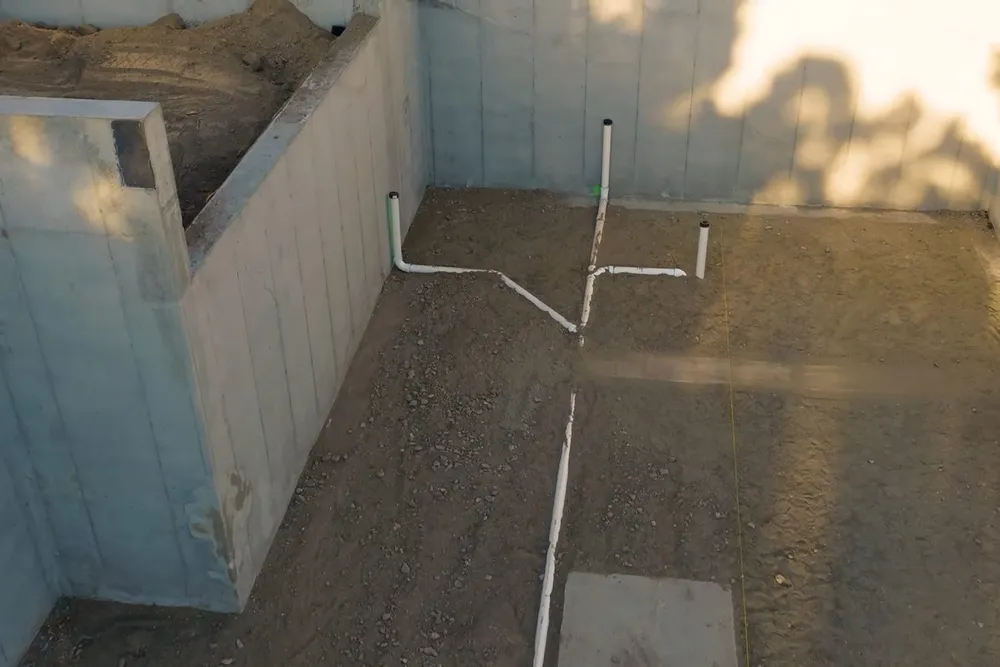
Most winter nights in Prescott Valley are fine for your plumbing. The trouble comes on the hard-freeze nights, when lows drop into the low 20s or colder. On those nights, a little preparation goes a long way. Run this short checklist the day or evening before, and your pipes will likely come through the freeze just fine.
Know your trigger: lows in the 20s
The number to watch is the overnight low. Once the forecast shows lows in the low 20s or below, especially for several hours, exposed pipes are at risk. The longer and colder the freeze, the greater the danger. A brief dip just below freezing is far less of a concern than a long, hard freeze.
Pay extra attention after a warm spell, when you may have left hoses connected or gotten out of the winter habit. The first hard freeze of the season catches the most people off guard.
The night-before checklist
Here is the quick run-through to do before a hard-freeze night:
- Disconnect all hoses. A connected hose traps water that freezes back into the faucet and splits it.
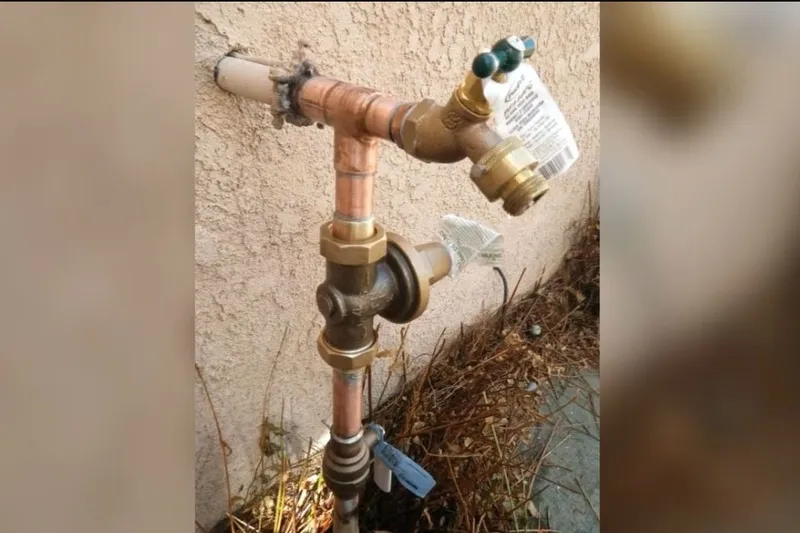
- Cover or insulate outdoor faucets. Foam covers or even a towel and a bag help on exposed bibs.
- Open cabinet doors under sinks on exterior walls, so warm air reaches the pipes.
- Let an exterior faucet drip slowly overnight, the one farthest from where water enters the house.
- Find your main shutoff, so you can act fast if a pipe does freeze and split.
- Keep the garage door closed if water lines or the heater run through it.
The whole list takes about ten minutes. That is a cheap insurance policy against a burst pipe.
During the freeze
Keep your home's heat on through the night, even if you normally turn it down. A warm house keeps interior walls and the pipes inside them above freezing. If you are leaving for a few days during a cold spell, set the heat no lower than about 55 degrees.
If you have lines in a garage, attic, or other unheated space that has frozen before, those are worth extra attention, a space heater set safely, or heat tape on the line itself.
The morning after
When you wake, check your faucets. If one gives only a trickle or nothing at all, you may have a frozen pipe. Open that faucet and warm the line gently, working from the faucet back, with a hair dryer or warm towels. Never use an open flame.
If you cannot reach the frozen section, or you find a pipe has already split, shut off your water at the main and call. We handle thawing a frozen pipe and emergencies across the Tri-Cities, any hour.
Frequently asked questions
How cold does it have to get to freeze my pipes?
Exposed pipes are generally at risk once lows reach the low 20s, particularly over several hours. A brief dip just below freezing is much less of a concern than a long, hard freeze. When the forecast shows a hard-freeze night, run the night-before checklist to be safe.
Do I really need to drip my faucets?
On hard-freeze nights, yes, it helps. A slow drip keeps water moving through the most vulnerable lines, and moving water resists freezing. Choose an exterior-wall faucet, ideally the one farthest from where your water enters the house. On milder nights it is not necessary.
What if I am not home during a hard freeze?
Keep the heat set no lower than about 55 degrees, disconnect hoses before you leave, and consider letting a faucet drip. For a longer absence in winter, it is worth fully winterizing the home, since an empty house gives no one a chance to catch a freeze early.
Which faucet should I drip, hot or cold?
Drip both if you can, but the priority is an exterior-wall faucet far from where your water enters the house, since that run is the most exposed. A slow trickle is enough. The goal is simply to keep water moving through the vulnerable line so it cannot freeze solid.
Are pipes in my garage really at risk?
Often, yes. Many Prescott Valley homes run the water heater and supply lines through an unheated garage, and those lines feed the whole house. On a hard-freeze night, keep the garage door closed, and insulate or add heat tape to any line that has frozen there before.
Related plumbing services
If a hard freeze gets the better of your pipes, call on these:
Hard freeze coming and pipes you are worried about?
We can winterize ahead of the cold or repair a freeze after. Call a local Tri-Cities plumber.
Call (928) 498-0363