
Sewer Line Repair in Prescott Valley, AZ
A failing sewer line shows up as repeated backups, foul odors, or soggy spots in the yard. We camera the line to see the real problem, then repair it the least invasive way the pipe allows, including trenchless where it fits.
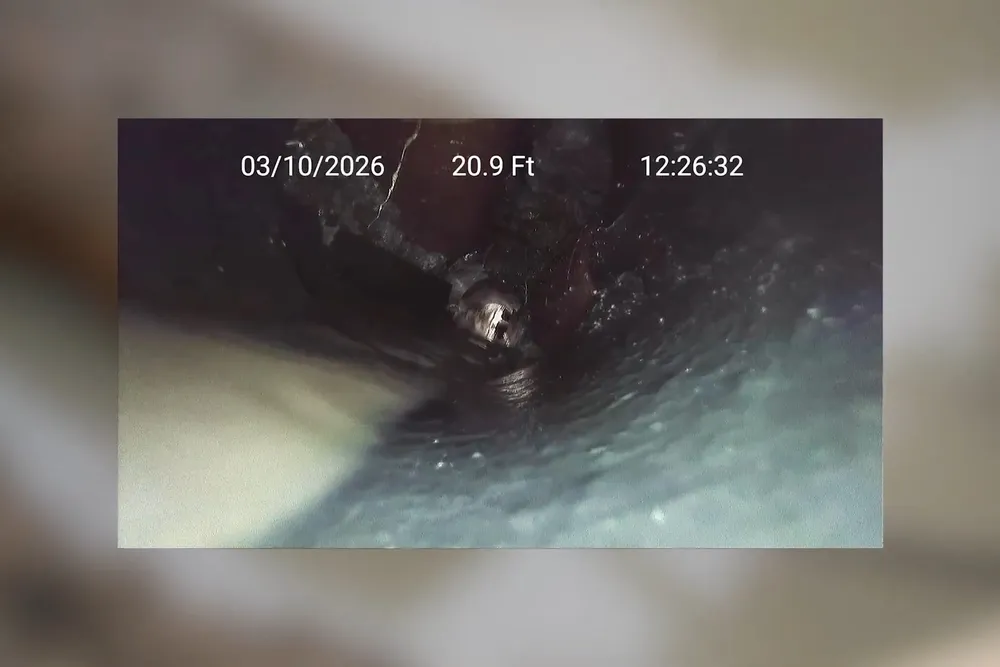
Sewer line repair fixes the buried lateral that carries waste from your home to the Town main. The first step is always a camera inspection, since the line is underground and the cause is rarely obvious. In Prescott Valley, the usual problems are root intrusion into older laterals, cracks from ground movement on decomposed-granite soil, and clay sewer pipe that has aged past its prime. Once we see the problem on camera, we match the repair to it, often without digging up the whole yard.
What goes wrong with sewer lines here
A sewer lateral can fail several ways, and the signs overlap, which is why a camera matters.
- Root intrusion. Roots find a small crack or joint and grow into the pipe, catching waste and causing backups.
- Cracks and offsets. Decomposed-granite soil shifts, and the movement cracks or misaligns the pipe.
- Aging clay pipe. Older homes often have clay sewer pipe that grows rough inside and breaks down over decades.
The symptoms are hard to ignore once they start: multiple drains backing up at once, a sewage smell in the yard or around a cleanout, gurgling toilets, and soggy or unusually green patches over the line. Catching it at the first repeated backup is far cheaper than waiting for a full failure.
How we diagnose a sewer problem
Seeing inside the pipe turns guesswork into a clear plan.
Camera inspection
A waterproof camera runs the length of the lateral, showing roots, cracks, offsets, and bellies in real time. We locate the exact spot and depth of the problem, which decides the repair method.
Locate and measure
With the camera and a locator, we mark where the damage sits in the yard and how deep it runs. That tells us whether a trenchless fix or a targeted dig makes more sense.
Assess the whole line
One bad spot can hide others. We check the full lateral so the repair addresses everything failing, not just the section causing today's backup.
How we repair a sewer line
The method depends on what the camera shows and how the pipe is laid.
Spot repair
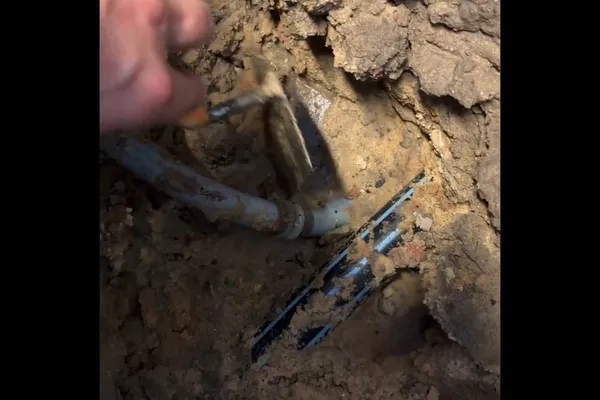
When one section is cracked or root-invaded and the rest is sound, we excavate just that spot through the decomposed granite and replace the damaged length. It is the least invasive fix for a localized problem.
Trenchless repair and pipe bursting
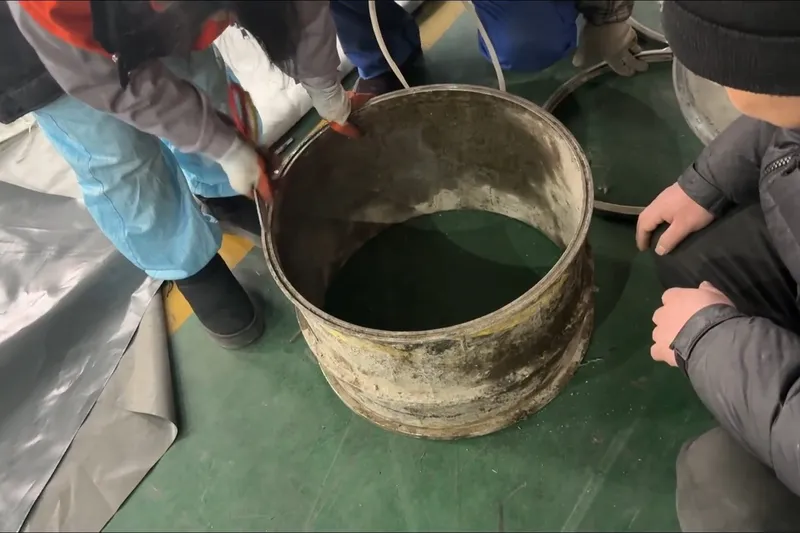
Where the layout allows, trenchless sewer repair replaces or relines the pipe with minimal digging. Pipe bursting pulls a new line through the old path, sparing your yard and driveway from a full trench.
Cost of sewer line repair in Prescott Valley and the Tri-Cities
A spot repair is the low end, and a trenchless or longer run costs more. The camera inspection sets the scope, so the quote reflects the real problem rather than a worst-case guess. You get the full price before any digging starts.
Typical price ranges (2026)
| Job | Typical 2026 range |
|---|---|
| Camera inspection and locate | $150 to $450 |
| Spot repair (single section) | $1,200 to $4,000 |
| Trenchless repair or lining | $4,000 to $10,000 |
| Root removal and cleaning | $300 to $900 |
A line that has failed end to end may need full replacement. The camera tells us which. Prices are confirmed first.
Permits, roots, and prevention
Sewer work that ties into the Town of Prescott Valley system often needs a permit, and we handle that paperwork so the repair is done by the book. Where roots are the recurring cause, we can clear them and reline or repair the entry point so they stop coming back, rather than just cutting them out every spring.
If your line is sound but prone to roots, a yearly camera check and cleaning is cheap insurance. It catches a small crack before roots widen it into a break, and it spares you the mess of a backup. For older homes with original clay pipe, that early warning often makes the difference between a spot repair and a full replacement. The earlier a problem is caught on camera, the more options you have and the less the fix tends to cost, which is why an early look pays for itself.
How sewer-line problems start and how we solve them for good
Roots, cracks, and bellies
Three things put sewer lines out of service. Tree roots find the tiny gaps at pipe joints, reaching for the water and nutrients inside, and once in they grow into a mat that snags everything and eventually cracks the pipe wider. Age cracks and collapses older clay and cast-iron pipe outright. And a belly, a low spot where the line has sagged as our soil shifted, holds water and waste that should keep moving, so solids settle and clog there repeatedly. A camera inspection tells us which of these you have and exactly where, so the repair targets the real fault instead of clearing the same backup again and again.
Trenchless where it fits, excavation where it does not
Many sewer repairs no longer require trenching the whole yard. Depending on the damage, a section can be relined or repaired through small access points, sparing your landscaping and driveway. Trenchless is not right for every case: a fully collapsed pipe, a severe belly, or certain routes and depths still call for traditional excavation. We camera and assess the line first, then recommend the method that restores the sewer reliably at the best value, and we explain the trade-offs rather than defaulting to the most disruptive option.
Why a camera first saves money
Clearing a sewer backup gets the water flowing, but it does not tell you why it happened, and without that you are on a schedule to do it again. A camera inspection shows the inside of the line, the exact location and nature of the fault, and how far it extends, which turns a repeating headache into a defined repair. It is the step that separates fixing the cause from renting relief, and it is why we lead with it on any recurring sewer problem.
The thread running through every sewer repair is the same: see the problem before you spend on it. A camera inspection turns a mystery backup into a located, measured fault, which is what lets us recommend a spot repair, a trenchless reline, or excavation honestly rather than guessing. Especially in our established neighborhoods, where decades-old laterals meet thirsty tree roots, that look inside the pipe is the difference between solving the cause and renting temporary relief one backup at a time.
Frequently asked questions
How do I know if my sewer line is the problem?
Telltale signs are multiple drains backing up at once, a sewage smell in the yard, gurgling toilets, and soggy or extra-green patches over the line. Any of these points to the lateral. A camera inspection confirms the cause and location before we dig.
Do you have to dig up my whole yard?
Often not. A localized crack or root spot can be a small dig, and where the layout allows, trenchless repair or pipe bursting replaces the line with minimal digging. The camera and locate tell us the least invasive option for your situation.
Why do roots keep getting into my sewer line?
Roots chase the moisture and nutrients inside a pipe, entering through a small crack or a loose joint. Cutting them clears the line, but they return unless the entry point is sealed or relined. We fix the cause, not just the symptom.
What is trenchless sewer repair?
Trenchless methods repair or replace a sewer line with little or no digging. Pipe bursting pulls a new pipe through the old path, and lining coats the inside of the existing pipe. Both spare your yard, driveway, and landscaping where the layout allows.
Is a camera inspection really necessary?
Yes. The line is buried, and the symptoms of roots, a crack, and a belly look alike from above ground. A camera shows the exact problem, location, and depth, so we repair the right thing the right way instead of guessing and over-digging.
Will I need a permit for sewer work?
Often, yes, since the lateral ties into the Town of Prescott Valley system. We handle the permit and make sure the repair meets code. That protects you if you sell the home and keeps the connection to the Town main done correctly.
How quickly should I act on a sewer problem?
Sooner is cheaper. A small crack or early root intrusion is a modest repair, but left alone it widens, roots spread, and a partial blockage becomes a full backup into the home. Acting at the first repeated backup avoids the bigger, messier failure.
How do I know the problem is the sewer line and not just a drain?
When several fixtures back up at once, a toilet gurgles as a sink drains, or the lowest drains flood first, the blockage is in the shared sewer line, not one fixture. A sewage smell in the yard is another sign. We camera the line to confirm and locate the exact problem.
Can you repair a sewer line without digging up my yard?
Often, yes. Depending on the damage, trenchless methods can reline or repair the pipe through small access points, sparing your yard and driveway. We camera the line first to see whether trenchless is an option or whether a section needs traditional excavation, and explain the trade-offs.
Keep exploring Prescott Valley plumbing
Related services
Service areas
From the blog
Sewer backing up or smelling?
Get a camera inspection and a clear repair plan from a local plumber. Call before it fully fails.
Call (928) 498-0363