
Repiping & Whole-Home Pipe Replacement in Prescott Valley, AZ
When pinhole leaks keep appearing or the pressure has dropped to a trickle, patching one spot at a time stops making sense. We repipe homes in PEX, which resists corrosion and handles our winters far better than aging galvanized or copper.
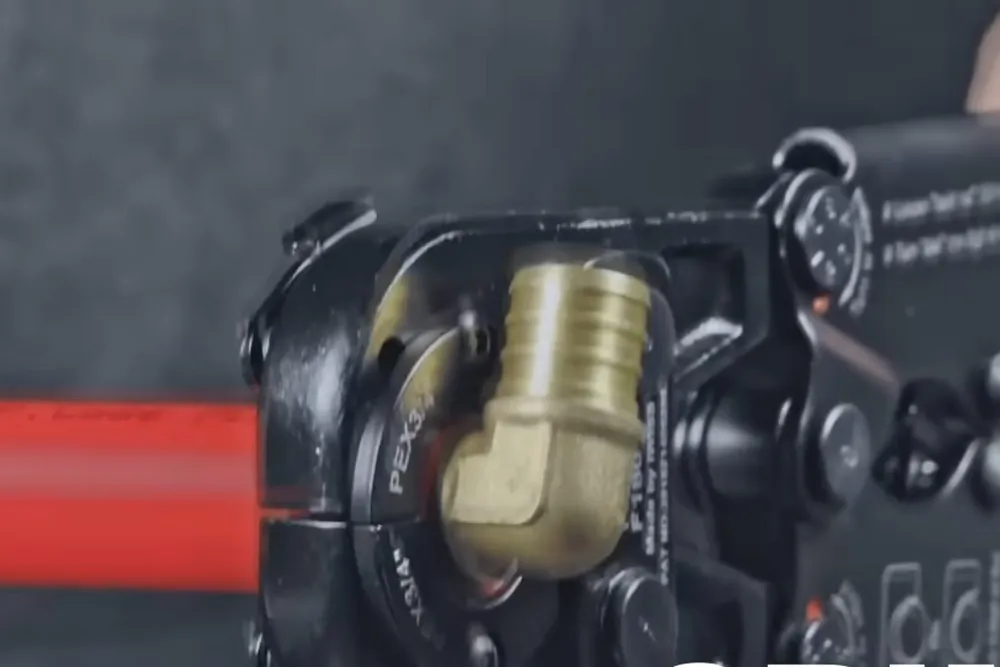
Repiping replaces the water supply lines throughout a home, rather than repairing one failing section at a time. Whole-home pipe replacement makes sense when pinhole leaks keep popping up, water pressure has fallen off, or the water looks rusty from corroding pipe. In Prescott Valley, two materials drive most repipes: aging galvanized line in older homes, which corrodes from the inside, and older copper that develops pinhole leaks. We repipe in PEX, which resists corrosion and tolerates freezing far better, a real advantage at this elevation.
When a home needs repiping
A repipe is a bigger project, so it is worth knowing the signs that you have reached that point.
- Repeated pinhole leaks. One copper pinhole is often the first of many as the whole system ages.
- Low water pressure. Corroded galvanized pipe narrows from the inside until flow becomes a trickle.
- Rusty or discolored water. Brown-tinged water points to corroding galvanized line shedding rust.
Age and material matter too. Many Prescott Valley homes from the 1980s and earlier still have galvanized supply lines that are now well past their prime. When repairs start stacking up, a whole-home repipe in PEX usually costs less over a few years than repeated patches, and it ends the leaks for good.
How we plan a repipe
A repipe is planned carefully so the disruption is short and the result is complete.
Inspect the existing pipe
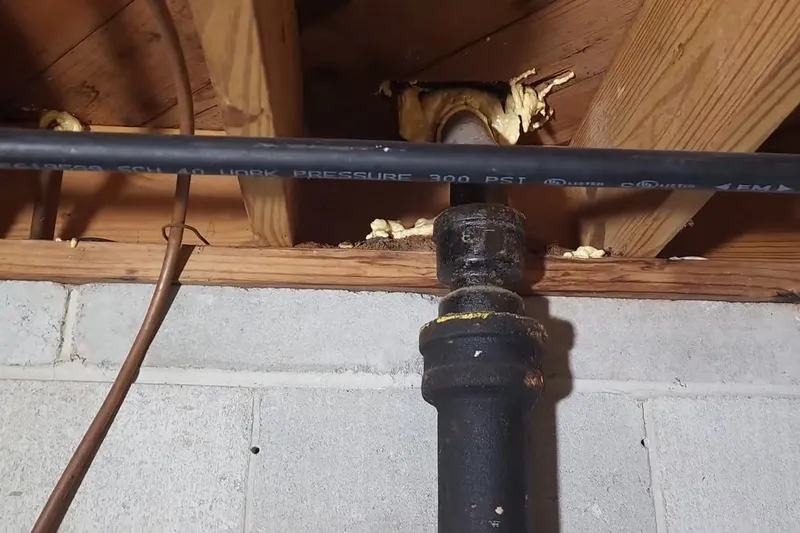
We check the pipe material, the corrosion, the pressure, and where leaks have occurred. That confirms whether a repipe is the right call or whether a targeted repair will do for now.
Map the runs and access
We plan the new PEX routes, the access points, and the order of work, so walls are opened only where needed. Good planning keeps the drywall repair small and the project on schedule.
Plan freeze protection
At our elevation, the new lines are routed and insulated with winter in mind, keeping them away from cold exterior runs where possible. PEX handles freezing better than copper, and smart routing reduces the risk further.
How the repipe is done
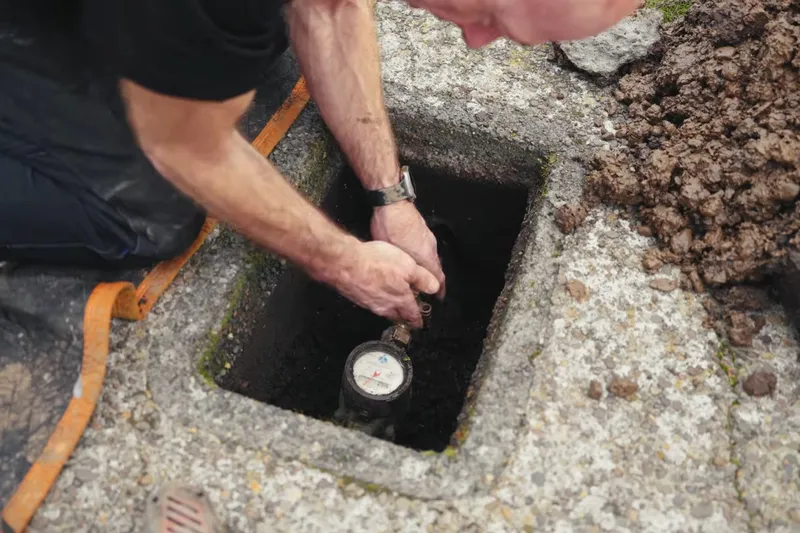
A whole-home repipe is a focused project, usually a few days from the first wall opening to the final pressure test.
Install new PEX throughout
We run new PEX supply lines to every fixture, tie them into a clean manifold or trunk-and-branch layout, and connect the water heater and fixtures. PEX flexes, resists scale, and shrugs off the freeze-thaw that splits rigid pipe.
Test, finish, and restore
We pressure-test the new system, confirm flow and temperature at every fixture, then patch the access openings. The result is consistent pressure, clean water, and an end to the leak cycle.
Cost of repiping in Prescott Valley and the Tri-Cities
Repipe cost depends on the home's size, the number of fixtures, and access. A small home or partial repipe is the low end. A large, multi-bath home is the high end. You get a clear, itemized quote before work starts.
Typical price ranges (2026)
| Job | Typical 2026 range |
|---|---|
| Partial repipe (problem section) | $2,000 to $6,000 |
| Whole-home repipe, smaller home | $5,000 to $9,000 |
| Whole-home repipe, larger home | $9,000 to $15,000 |
| Drywall access and patching | Included in quote |
Slab-routed lines and extensive finishes can change the total. We itemize the full scope before any work.
PEX, freeze resistance, and doing it once
The reason we favor PEX here is not fashion, it is the climate. PEX expands slightly when water freezes inside it, so it tolerates a freeze that would split copper or galvanized pipe. For a town where hard freezes are routine, that freeze resistance is a genuine advantage, on top of PEX resisting the corrosion and scale that kill metal pipe.
A repipe is also the moment to fix everything at once. While the walls are open, we can replace old shutoff valves, correct undersized runs that hurt pressure, and route lines away from the coldest exterior walls. Done well, a whole-home repipe is a once-in-the-life-of-the-house project that ends the leaks, restores the pressure, and stops the rusty water for good. It is a real investment, so we make sure it is the right one before you commit.
Galvanized, copper, PEX, and why material matters here
The galvanized problem in older homes
Homes built with galvanized steel supply pipe, common in older Prescott-area construction, share a predictable fate: the zinc coating wears away and the steel corrodes from the inside, narrowing the bore with rust until pressure drops and water runs discolored. By the time you see brown water at a faucet or weak flow that no fixture fix improves, the pipe itself is the problem, and patching one section just shifts the next failure down the line. A whole-home repipe ends that cycle rather than chasing it joint by joint.
Why we favor PEX in a freeze-thaw climate
PEX has become the material of choice for repipes here for reasons that fit our climate directly. It is flexible, so it tolerates the expansion of a freeze far better than rigid copper, which splits, making it more forgiving in a town that sees hard winter freezes. It runs in longer lengths with fewer joints, so there are fewer potential leak points, and it is not subject to the internal corrosion that our water works on copper and steel. It is also faster to install through existing walls, which shortens the job and the disruption.
What the process looks like
Most homes are repiped in a few days. We plan the routes to reach every fixture through targeted wall and ceiling access rather than opening walls wholesale, work in stages to keep water on as much as possible, and pressure-test the new system before closing anything up. Some drywall patching is part of the job, and we leave it ready for paint. The result is full, even pressure, clean water, and an end to the leaks an aging system was producing, which is why a repipe is a long-term value rather than a repeating repair bill.
The case for a repipe over endless spot repairs comes down to this: once an old galvanized or aging copper system starts failing, the failures are a pattern, not bad luck, and money spent patching one joint is money that postpones rather than prevents the next leak. A repipe ends the pattern. In PEX, sized and routed for our freeze-thaw winters, you get full even pressure, clean water, and far fewer joints to leak, and the few days of work buy you a supply system you can stop worrying about.
Frequently asked questions
How do I know if my home needs repiping?
The clearest signs are repeated pinhole leaks, water pressure that keeps dropping, and rusty or discolored water. One leak can be a repair, but a pattern of leaks across an aging system usually means the pipe itself is failing, and a repipe is the lasting fix.
Why repipe in PEX instead of copper?
PEX resists corrosion and scale, costs less to install, and crucially for our climate, tolerates freezing far better than copper. It expands slightly when water freezes inside, so it survives a freeze that would split rigid pipe. At this elevation, that matters.
Will repiping tear up my whole house?
No more than necessary. We plan the runs and open walls only at the access points needed, then patch them. It is a focused project, usually a few days, and the access patching is included in the quote so there are no surprises.
Is it cheaper to keep repairing or to repipe?
If you have had one leak, a repair is fine. If leaks keep appearing across the home, the repairs add up fast, and a whole-home repipe usually costs less over a few years while ending the problem. We give you the numbers so you can decide.
How long does a whole-home repipe take?
Most homes take a few days, depending on size, number of bathrooms, and access. We give you a realistic timeline up front, including the access patching, so you know what to expect and can plan around the water being off for part of it.
Why does my old galvanized pipe have low pressure?
Galvanized pipe corrodes from the inside, and the buildup narrows the opening until flow drops to a trickle. You cannot clean it back out. Repiping in PEX restores full pressure and clean water, and it ends the rust that comes with aging galvanized line.
Can repiping help prevent frozen pipe damage?
It helps. PEX tolerates freezing far better than copper or galvanized, and during a repipe we route and insulate the new lines with winter in mind. It is not a substitute for insulation and winterizing, but it meaningfully reduces the risk of a freeze split.
Can you repipe just one problem line instead of the whole house?
Sometimes. If only one run has failed and the rest of the system is sound, a partial repipe makes sense. But when pipe is failing from age across the home, replacing only one section just moves the next failure down the line. We assess the whole system and give you the honest call.
Will my water pressure improve after a repipe?
Usually, noticeably. Old galvanized pipe corrodes and narrows from the inside, choking flow. New PEX runs at full diameter, so homes that had weak, uneven pressure often get strong, consistent flow back after a repipe. It is one of the changes homeowners notice first.
Keep exploring Prescott Valley plumbing
Related services
Service areas
From the blog
Pinhole leaks or failing pressure?
Stop patching an aging system. Call a local plumber about a PEX repipe built for our winters.
Call (928) 498-0363