
Drain Cleaning & Unclogging in Prescott Valley, AZ
A slow drain is annoying. A backed-up mainline is a mess. We clear kitchen, bath, shower, and mainline clogs with the right tool for the blockage, and camera the line when the same drain keeps clogging.
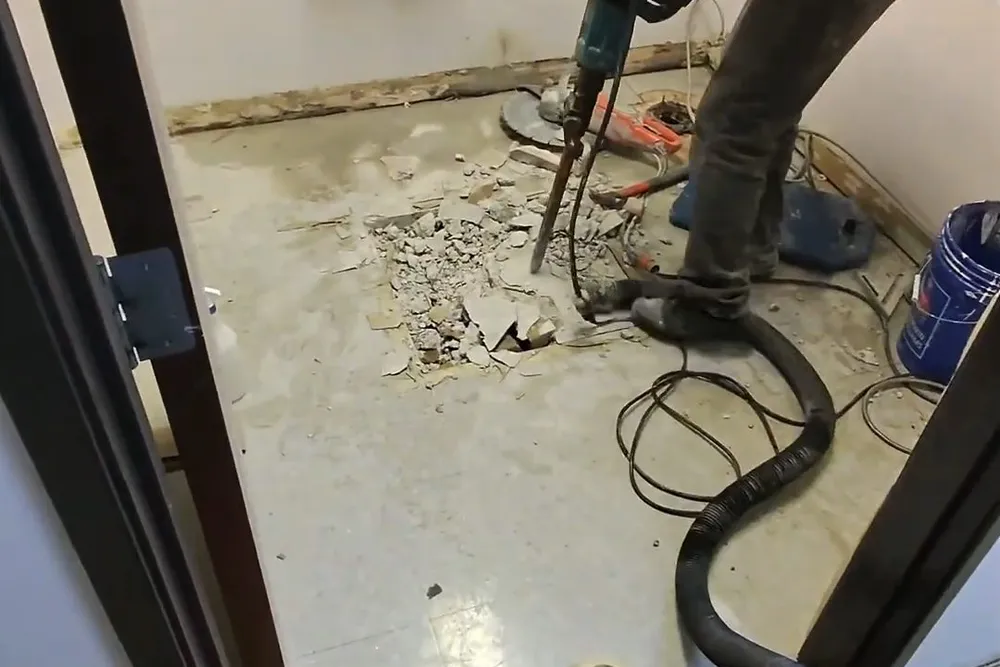
Drain cleaning clears a clog from a fixture or line and gets water moving again. Unclogging handles the everyday blockages: a kitchen drain packed with grease, a bathroom drain choked with hair, or a mainline drain that backs up into the lowest fixtures. We use drain snaking and augering for most clogs, hydro jetting for the stubborn ones, and a camera when a drain keeps clogging for no obvious reason. The goal is to clear it and find out why.
What clogs drains, and where
Different drains clog for different reasons, and knowing which helps target the fix.
- Kitchen drain: grease and food build up and harden, narrowing the pipe over time.
- Bathroom and shower drain: hair and soap scum are the usual offenders.
- Tub drain: hair and mineral scale slow it gradually.
- Mainline drain: a clog here backs up multiple fixtures at once and often means roots or a deeper blockage.
The warning sign that matters most is more than one drain slowing at the same time. A single slow sink is local. Several at once, or a gurgle when you flush, points to the mainline, where the fix is bigger than a plunger and worth a camera look.
How we find and clear a clog
Matching the method to the clog avoids damage and makes the fix last.
Locate the blockage
We figure out whether the clog is in a single fixture line or the main, based on which drains are affected. That tells us where to access the line and which tool to use.
Snake or auger the line
For most clogs, a drain snake or auger breaks through and pulls the blockage out. It is the right tool for hair, grease, and the typical buildup in a fixture drain.
Camera a recurring clog
When a drain clogs again and again, a camera inspection shows why, whether it is root intrusion, a belly in the line, or scale. Seeing the cause means we fix the problem, not just the symptom.
How we clear it
The right approach depends on what is in the line and how often it returns.
Snaking and augering
For everyday clogs in a sink, tub, shower, or toilet line, mechanical snaking clears the blockage and restores flow. It is fast, effective, and the standard first step for emergency drain calls.
Hydro jetting for stubborn lines
When grease, scale, or roots coat the whole pipe, high-pressure hydro jetting scours it clean in a way a snake cannot. It is the better choice for mainlines and commercial drains that clog repeatedly.
Cost of drain cleaning in Prescott Valley and the Tri-Cities
A simple fixture clog is the low end. A mainline or a camera inspection costs more. You get the price before the work.
Typical price ranges (2026)
| Job | Typical 2026 range |
|---|---|
| Clear a single fixture drain | $120 to $300 |
| Mainline drain clearing | $250 to $600 |
| Camera inspection | $150 to $400 |
| Hydro jetting | $350 to $900 |
Recurring or root-related clogs may point to a sewer repair. We confirm the price before any work.
When a clog is really a sewer problem
A drain that clogs every few months is telling you something. In the Tri-Cities, the usual culprit is root intrusion into an older sewer lateral or a belly in the line where waste settles. A camera inspection turns guesswork into a clear picture, and from there we can hydro jet the line clean or plan a repair if the pipe itself is failing.
For homes with mature trees, and for older neighborhoods with clay or aging sewer pipe, recurring backups are common enough that a yearly preventive cleaning makes sense. It is cheaper than an emergency call on a holiday weekend, when a backed-up main always seems to choose its moment.
The Tri-Cities have their own drain quirks worth noting. Decomposed-granite soil shifts over the years, and that movement can create a low spot, or belly, in an older sewer line where waste collects and clogs. Roots from the hardy trees that thrive up here chase the moisture inside a cracked pipe. A camera inspection shows both clearly, so we can jet the line, spot-repair a break, or plan a larger fix only if the pipe truly needs it.
Why a drain clogs, and why the same one keeps coming back
A blockage and a coated pipe are not the same problem
A snake clears a path through a clog at one point, and the water runs again, which feels like a fix. But if the pipe wall is coated with years of grease, soap scale, and hard-water mineral, that opening narrows again within weeks and the clog returns. A drain that backs up two or three times a year is rarely a fresh clog each time: it is a pipe that has lost most of its diameter to buildup. The lasting answer for those is to clean the whole pipe wall, not just punch through the center, which is where hydro jetting earns its place over repeated snaking.
One slow drain versus the whole house
Where the trouble shows up tells us where it lives. A single slow sink or tub is a local clog in that fixture's trap or branch line, usually hair, grease, or soap. But when several fixtures back up at once, when a toilet gurgles as the washing machine drains, or when the lowest drains in the house flood first, the blockage is in the main line that all of them share, not in any one fixture. A sewage smell in the yard points the same direction. We read those signs first so we clear the right line instead of chasing the symptom at the wrong fixture.
What goes wrong in Prescott Valley drains specifically
Kitchen lines here collect the same grease and starch they do anywhere, but our hard water adds a mineral scale that grease clings to, so kitchen branches narrow faster than soft-water homes see. Older established neighborhoods add a second factor underground: sewer laterals that have been in the ground for decades develop cracks and joint gaps, and tree roots reach into them for water, which is the leading cause of recurring main-line backups in mature parts of town. A camera inspection settles which it is, so a root problem gets treated as a root problem and not snaked over and over.
Why we avoid chemical drain cleaners
Store-bought chemical openers are hard on pipes, especially older lines and the rubber seals in traps, and they often only bore a narrow hole through a clog rather than removing it, so the blockage rebuilds quickly. They also sit in the trap as a hazard for whoever opens the line next. Mechanical clearing, snaking for a clog and jetting for a coated line, removes the blockage and the buildup without that risk, and a camera confirms the line is actually clear rather than just flowing again for a few days.
Drain by drain: what actually clogs each one
Kitchen lines
Kitchen drains clog from grease and food, and our hard water makes it worse: grease congeals on the mineral scale already coating the pipe, so the line narrows from both. Starchy foods like pasta, rice, and potato peels swell and bind, and a garbage disposal grinds them finer without changing the fact that they settle downstream. The fix for a one-time clog is clearing the trap and branch line, but a kitchen line that clogs repeatedly is coated and is a candidate for jetting, plus a change in habits: grease to the trash, not the drain.
Bathroom sinks, tubs, and showers
Bathroom drains are a hair-and-soap problem. Hair catches on the stopper mechanism and the pivot rod, soap and our mineral-heavy water build a paste around it, and the trap fills. These are usually quick to clear, and a simple habit of pulling and cleaning the pop-up stopper a few times a year prevents most of them. A tub that drains slowly across the whole house at once, though, is a different signal pointing to the main line rather than the tub.
Toilets, laundry, and the main
A toilet that clogs on its own without too much paper can have a partial blockage in the trap of the toilet itself or a vent problem that breaks the siphon. Laundry standpipes back up from lint and detergent residue. And when more than one of these acts up together, when the toilet bubbles as the washer drains or the lowest drains flood first, the shared main line or the sewer lateral is the real location. We read the pattern across fixtures before deciding which line to clear and whether a camera is warranted.
The short version: clear a fresh clog, but investigate a repeating one, because a drain that backs up on a schedule is telling you the pipe has lost diameter or the sewer lateral has a fault that no amount of snaking will cure. A camera turns that guesswork into a clear answer. We would rather find the real cause once than relieve the same backup three times a year, which is why we read the pattern across your fixtures and recommend jetting or a camera when the signs point past a simple clog.
Frequently asked questions
Why does my drain keep clogging?
A drain that clogs repeatedly usually has a deeper cause: grease coating the pipe, roots in the sewer lateral, or a low spot where waste collects. Snaking clears it for now, but a camera inspection finds the real reason so we can fix it for good.
Several drains are slow at once. Is that bad?
It can be. When multiple fixtures slow down together, or a toilet gurgles when you run the sink, the clog is likely in the mainline, not a single fixture. That is worth a camera look, since the fix is bigger than a plunger.
Is it safe to use chemical drain cleaners?
We do not recommend them. Harsh chemicals can damage pipes, especially older ones, and often only punch a hole through a clog rather than clearing it. Mechanical snaking or jetting removes the blockage without harming the line.
What is hydro jetting, and do I need it?
Hydro jetting uses high-pressure water to scour the inside of a pipe clean. It is the right tool for grease, scale, and roots in a mainline or commercial drain that a snake cannot fully clear. For a simple fixture clog, a snake is plenty.
Can a clog cause a backup into my home?
Yes. A blocked mainline can push wastewater up through the lowest drains, like a shower or floor drain. That is an emergency, since it is a health hazard. Clearing the main fast and inspecting it prevents a repeat.
Do you offer preventive drain cleaning?
Yes. For homes with mature trees or older sewer pipe, a yearly cleaning keeps roots and buildup from causing a backup at the worst possible time. It is a small cost compared to an emergency call on a holiday.
Can grease really clog my kitchen line?
Yes, and it is one of the most common causes. Grease pours in as a liquid, then cools and hardens inside the pipe, narrowing it over months until water barely passes. Hot water and soap do not fix it. Snaking or jetting clears the buildup properly.
Are chemical drain cleaners safe to use?
We do not recommend them. The harsh chemicals can damage pipes, especially older ones, and they often only bore a hole through a clog rather than clearing it, so it returns. Mechanical snaking or hydro jetting removes the blockage and the buildup without harming the line.
Why does the same drain keep clogging?
A recurring clog usually means the pipe is coated, not just blocked. A snake punches through but leaves grease or scale on the walls, and the opening narrows again. For a drain that keeps clogging, we camera the line to find the real cause and clear it properly with jetting.
Keep exploring Prescott Valley plumbing
Related services
Service areas
From the blog
Drain backed up or slow?
Get it cleared by a local plumber, and find out why it clogged. Call for fast drain service.
Call (928) 498-0363