
Water Heater Repair in Prescott Valley, AZ
No hot water on a 25-degree morning is its own emergency. We repair gas and electric water heaters fast, from a dead pilot to a tank full of hard-water sediment, and tell you honestly when a fix beats a replacement.
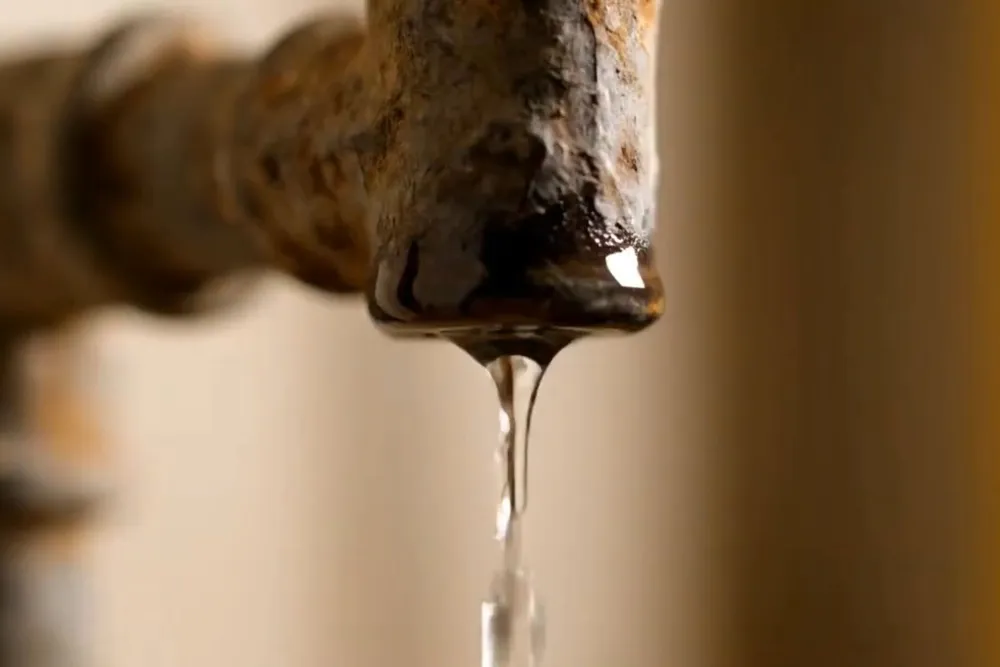
Water heater repair restores hot water by fixing the part that failed, whether that is a heating element, a thermostat, a pilot light, a dip tube, or a leaking valve. In Prescott Valley, two things drive these calls. Cold winters raise the heating load, so a tired heater struggles most in the season you need it. And moderately hard water leaves sediment in the tank, which cuts efficiency and shortens the heater's life. A quick diagnosis tells you whether a repair or a replacement makes more sense.
Common water heater problems in the Tri-Cities
Most water heater trouble shows up as no hot water, not enough hot water, odd noises, or a leak. The cause usually comes down to a handful of parts.
- Electric units: a burned-out heating element or a failed thermostat is the usual culprit.
- Gas units: a pilot light that will not stay lit often points to a thermocouple or gas valve issue.
- Both: sediment buildup, a worn anode rod, a bad dip tube, or a dripping T&P relief valve.
The local angle is hard water sediment. Minerals settle on the bottom of the tank, where they bake onto the element or burner area. That makes the rumbling sound many homeowners notice, drops efficiency, and wears the tank out early. Cold-climate water heater demand makes a struggling unit feel worse in January than it ever did in July.
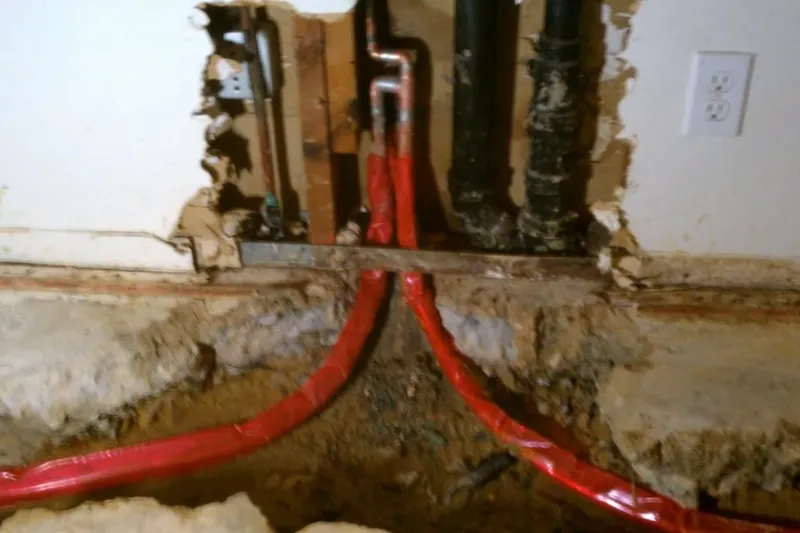
How we diagnose a water heater
Gas and electric heaters fail differently, so the first step is matching the test to the unit.
Check power, pilot, and gas
For electric units, we test the breaker, elements, and thermostats. For gas, we check the pilot, thermocouple, and gas supply. This quickly separates an easy fix from a deeper problem.
Inspect for leaks and corrosion
Water around the base can mean a fitting, the T&P valve, or the tank itself. A tank leak usually means replacement, while a valve or fitting is a simple repair. We find which it is before quoting.
Test the tank's condition
Draining a little water shows how much sediment has built up. We check the anode rod and dip tube too, since both wear out and both are cheaper to replace than the whole heater.
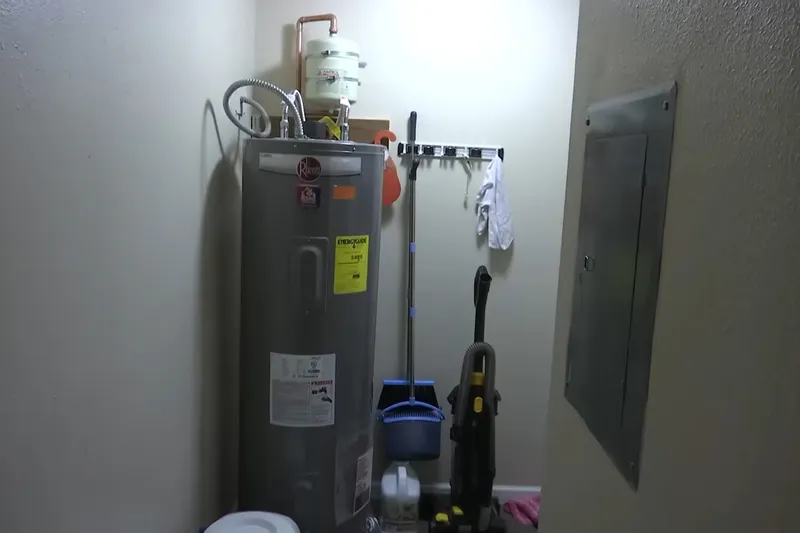
Repairs we make most often
Many heaters have years left once the failed part is replaced.
Element, thermostat, and pilot repairs
Replacing a heating element or thermostat on an electric unit, or a thermocouple and pilot assembly on a gas unit, restores hot water without a new tank. These are the most common fixes.
Flush, anode, and valve service
A sediment flush quiets the rumble and restores efficiency. We also replace a worn anode rod to slow corrosion, swap a failed dip tube, and fix a leaking T&P relief valve. Together these add years to the tank.
Cost of water heater repair in Prescott Valley and the Tri-Cities
Most repairs are modest. A part swap is the low end, and a heater past saving moves you toward replacement. You hear the price before any work.
Typical price ranges (2026)
| Job | Typical 2026 range |
|---|---|
| Diagnostic visit | $80 to $180 |
| Element or thermostat replacement | $150 to $400 |
| Thermocouple or pilot repair (gas) | $150 to $350 |
| Sediment flush and anode service | $120 to $300 |
If the tank itself is leaking, a replacement is usually the better value. We will tell you which path makes sense.
When repair turns into replacement
A heater that is over 10 to 12 years old, leaking from the tank, or needing repeated repairs is often cheaper to replace than to keep patching. We do the math with you rather than for you. If a small fix will get you a few more good years, we say so, and if the unit is done, we explain the replacement options.
Snowbirds have one extra consideration: seasonal hot water management. Turning a heater down or to vacation mode while you are away saves energy and reduces wear, and we can show you how to do it safely. When you return, a quick flush clears any sediment that settled while the tank sat idle.
Garage and exterior-closet heaters get one more winter check from us. A unit in an unheated space works harder when the incoming water is cold, and the supply lines feeding it can freeze just like any other exposed pipe. We make sure those connections are protected so a cold snap does not knock out your hot water along with everything else.
Reading the symptoms before you call
Hard water is the hidden factor in most failures
Prescott Valley draws from the Upper Agua Fria and Little Chino aquifers, and that water runs moderately hard at roughly 4 to 8 grains per gallon, about 75 to 130 parts per million. Every gallon heated leaves a little mineral behind, and over years that sediment builds into a hard layer across the bottom of the tank. On a gas unit the burner then has to fire through that insulating crust, which drops efficiency and overheats the steel above the flame. On an electric unit the lower element bakes inside the sediment and burns out early. This is why heaters in our area often need attention sooner than the brochure life suggests, and why an annual flush matters more here than it would in a soft-water town.
What the noises and patterns are telling you
A popping or rumbling sound during a heating cycle is water boiling under that sediment layer, and it is the clearest sign a flush is overdue. Running out of hot water sooner than you used to usually means the sediment has stolen usable tank volume, a dip tube has failed and is mixing cold water in early, or a heating element or thermostat is underperforming. Rusty hot water points to the anode rod being spent and the tank starting to corrode from inside. Water that is scalding or never warm enough is almost always a thermostat. Each of these has a different fix, so we diagnose the specific cause rather than guessing or defaulting to a replacement.
Repair or replace, decided honestly
The deciding factors are age, the source of the leak, and the cost of the repair against the value left in the unit. A tank in its first eight or nine years with a failed element, thermostat, valve, or anode is almost always worth repairing. A leak from a fitting, the relief valve, or the relief line is a repair. But a tank leaking from its body has corroded through, and no patch holds against that, so it needs replacing. Most standard tanks in our hard water give eight to twelve years, and once a unit is past that and asking for a second repair, putting the money toward a new heater usually makes more sense.
Keeping the next failure further away
A yearly flush to clear sediment, a check of the anode rod every few years, and setting the thermostat around 120 degrees all extend tank life and cut energy use. Homes on harder well water in the surrounding Tri-Cities benefit from a softener ahead of the heater, which keeps scale out of the tank entirely. We can flush and service your unit during a visit and show you how to keep the drain valve and relief valve working between services.
Gas, electric, and the safety parts that are not optional
What fails on a gas heater
On a gas water heater the common repairs are a pilot that will not stay lit, usually a dirty or failed thermocouple or a fouled pilot assembly, a gas control valve that no longer regulates, or a burner that has scaled and burns dirty. A yellow or sooty burner flame, soot around the burner door, or a heater that struggles to recover are signs the combustion side needs attention. Because gas combustion produces carbon monoxide that must vent fully outdoors, we always check the venting and draft on a gas unit, since a blocked or back-drafting flue is a safety issue well beyond hot water.
What fails on an electric heater
An electric heater has two heating elements and two thermostats, and the usual failures are a burned-out lower element, often after sediment has baked around it in our hard water, or a tripped or failed thermostat. No hot water at all frequently traces to the upper thermostat or a tripped high-limit reset, while lukewarm water that runs out fast points to the lower element. These are testable with a meter, so we confirm which part has failed rather than swapping both on a guess, and we check the wiring connections, which can loosen and overheat over years.
The relief valve is the part you never want to need
Every tank has a temperature-and-pressure relief valve and a discharge line, and it is the safety device that prevents a tank from becoming dangerous if a thermostat sticks and the tank overheats. It should be tested periodically and never plugged or capped, and the discharge line must run down to within a few inches of the floor so it can release safely. If yours weeps constantly it may be doing its job against high pressure, or it may be failing, and either way it is worth checking rather than ignoring. We verify the relief valve and line on every water-heater visit.
Frequently asked questions
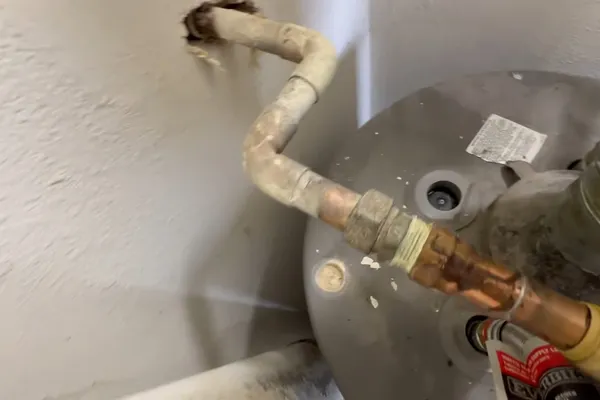
Why do I suddenly have no hot water?
On an electric heater, a failed element or thermostat is the usual cause, sometimes after a tripped breaker. On a gas heater, the pilot may have gone out due to a bad thermocouple. Both are common, both are diagnosable in one visit, and both are often a quick fix.
Why does my water heater rumble or pop?
That is sediment. Moderately hard Prescott Valley water leaves minerals on the bottom of the tank, and water boiling under that layer makes the noise. A flush usually quiets it and restores efficiency. Left alone, sediment shortens the tank's life.
Should I repair or replace my water heater?
If the unit is under about 10 years old and the issue is a part, repair is usually the better value. If the tank is leaking, the heater is older, or repairs keep stacking up, replacement makes more sense. We give you the numbers to decide.
How long should a water heater last here?
A conventional tank often lasts 8 to 12 years. Hard-water sediment can cut that short, which is why an annual flush and an anode check matter. Tankless units can last longer with descaling. Maintenance is what gets you the full lifespan.
Does hard water really affect my heater?
Yes. Sediment from moderately hard water bakes onto the burner or element area, dropping efficiency and stressing the tank. A softener reduces it, and a yearly flush clears what does settle. The two together protect the heater.
Can you help before I leave for the season?
Yes. We can set the heater to a lower vacation setting, check the T&P valve and connections, and flush the tank. That saves energy while you are gone and reduces the chance of a surprise leak in an empty house. We can also protect the supply lines feeding a heater in an unheated garage so they do not freeze while you are away.
Why is my water heater making a popping or rumbling noise?
That sound is water boiling under a layer of sediment in the bottom of the tank, left by our moderately hard water. It drops efficiency and stresses the tank. A flush clears the sediment and usually quiets it. If the noise persists, the tank may be near the end of its life.
Why do I run out of hot water faster than I used to?
Sediment buildup reduces the tank's usable capacity, a failing dip tube can mix cold water in early, or a worn heating element or thermostat can underheat. We diagnose which it is rather than guessing, and a flush plus a part replacement often restores full hot-water supply.
Is a leaking water heater always a replacement?
Not always. If the leak is from a fitting, a valve, or the temperature-and-pressure relief line, that is often a repair. But if the tank itself is leaking from the body, the steel has corroded through and the unit needs replacing. We find the source and tell you honestly which it is.
Keep exploring Prescott Valley plumbing
Related services
Service areas
From the blog
No hot water this morning?
Get a gas or electric water heater diagnosed and repaired fast. Call a local Tri-Cities plumber.
Call (928) 498-0363