
Water Softener Installation & Repair in Prescott Valley, AZ
Town of Prescott Valley water runs moderately hard, enough to scale fixtures and shorten a water heater's life. A right-sized softener protects your plumbing and appliances. We install, repair, and tune the systems that do it, on both Town water and private wells.
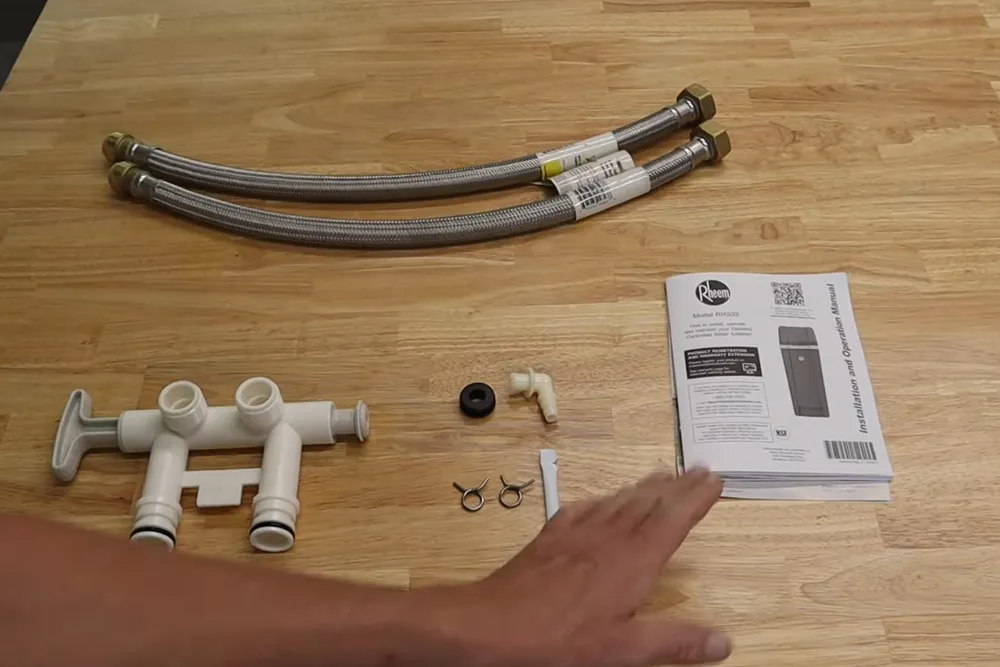
A water softener removes the calcium and magnesium that make water hard, usually through ion exchange in a tank of resin. Installation sets up the system and ties it into your plumbing. Repair keeps it running. In Prescott Valley, the Town pumps groundwater from the Upper Agua Fria and Little Chino aquifers, and it tests moderately hard, roughly 75 to 130 ppm, or about 4 to 8 grains per gallon. That is gentler than Phoenix-metro water, but it is still hard enough to leave scale and cost you appliances.
What hard water does, and why a softener helps here
Moderately hard water will not ruin your day, but it works against your plumbing quietly over years. The hard-water signs show up around the house.
- Scale on fixtures. White crust on aerators, showerheads, and glass.
- Water heater scale. Sediment builds on the bottom of the tank, cutting efficiency and life.
- Spotty dishes and stiff laundry. Soap struggles to lather, so you use more.
A softener fixes the cause. It runs the water through resin that swaps the hardness minerals for a little sodium, then flushes the buildup during a regeneration cycle. Homeowners in Stoneridge, Pronghorn Ranch, and Granville often pair a premium twin-tank softener with a new build, while older homes add one to stop the scale they already see. The result is cleaner glass, softer laundry, and a heater that is not fighting sediment every day.
How we size and check a softener
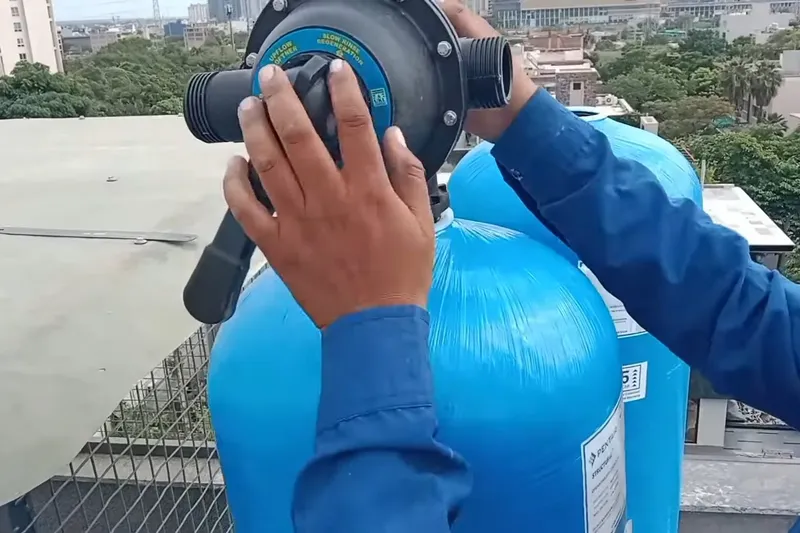
The right system depends on your water and your household. We start by measuring, not guessing.
Test the hardness
A quick test confirms where your water falls in the moderately hard range. Town water and private wells can differ, so we measure rather than assume. Big Chino aquifer water and well sources vary across the area.
Size for the household
Grain capacity should match the number of people and the daily water use. An undersized unit regenerates too often and wears out early. We size it so the brine tank, resin, and regeneration cycle all match your demand.
Inspect an existing unit
If you already have a softener that stopped working, we check the control valve, resin bed, and brine tank for the usual failures: a stuck valve, a salt bridge, or resin that is past its life.
Installation and repair work
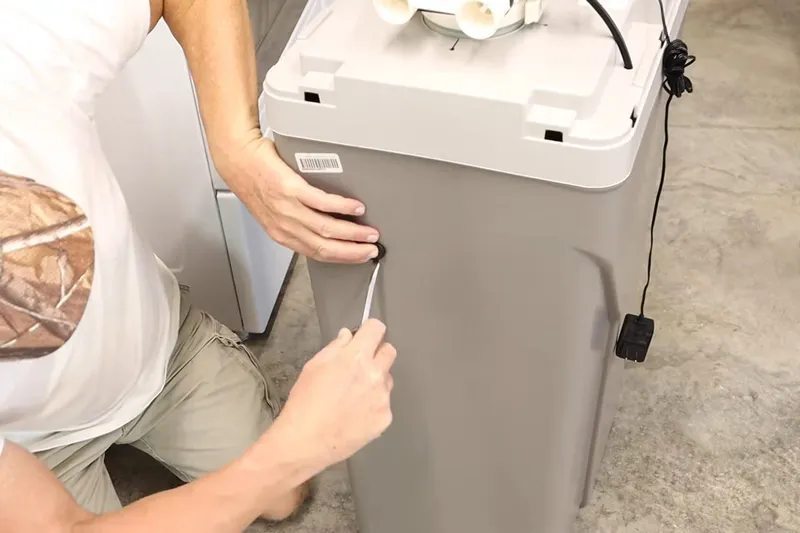
Whether you are adding a system or fixing one, the work is straightforward when it is done right.
New softener installation
We tie the system into the main supply, set up the drain and brine line, and program the regeneration cycle for your water. Salt and salt-free options are both available, and we explain the trade-offs honestly.
Softener repair and maintenance
Common fixes include clearing a salt bridge, replacing a worn control valve, and refreshing spent resin. A yearly check keeps the system efficient and your water consistent.
Cost of water softener in Prescott Valley and the Tri-Cities
Cost depends on the system size and whether it is a new install or a repair. A basic install is the low end. A premium twin-tank system costs more. You get the price before the work.
Typical price ranges (2026)
| Job | Typical 2026 range |
|---|---|
| Standard softener installation | $1,200 to $2,800 |
| Premium twin-tank system | $2,500 to $4,500 |
| Softener repair or valve replacement | $150 to $600 |
| Annual service and resin check | $90 to $250 |
Adding a whole-house filter alongside the softener changes the total, and well systems with iron or sediment may need extra stages. We quote the full setup before installing.
Related water quality work we handle
Many homeowners pair a softener with whole-house filtration, especially on well water that carries iron or sediment. We can set up a point-of-entry filter, address taste and odor, and handle the water heater scale a softener helps prevent. If your real concern is drinking water rather than scale, we can talk through filtration options too.
Well homes in the rural pockets around Paulden, Williamson Valley, and the hillsides often need more than a softener. Iron, manganese, and sediment each call for a different filter stage, and the right setup depends on a water test. We size the whole train together so the softener is not fighting problems a filter should handle first.
Sizing and servicing a softener for Tri-Cities water
What our hardness means for sizing
Town of Prescott Valley water runs moderately hard, roughly 4 to 8 grains per gallon, and some surrounding wells run harder still. A softener is sized to your hardness and your household's daily water use together, so it regenerates on a sensible schedule rather than constantly or too rarely. Undersized, it runs out of soft water and works overtime; oversized, it wastes salt and water regenerating a bed that is barely used. We measure or confirm your hardness and match the system to it, which is the step that determines whether it runs efficiently for years.
Salt, regeneration, and upkeep
A softener works by swapping hardness minerals for sodium on a resin bed, then periodically rinsing that bed with brine to recharge it, which is the regeneration cycle you sometimes hear at night. Most households add a bag of salt every few weeks to a couple of months depending on hardness and use. Keeping the brine tank from running empty and breaking up any salt bridge that forms are the main maintenance items, and we show you both when we install. A demand-initiated unit that regenerates based on actual use, rather than a fixed timer, saves the most salt and water in a household with variable demand.
Repairs and well-water cases
When a softener stops softening, the usual causes are a salt bridge in the brine tank, a fouled or exhausted resin bed, or a failed valve or control, all of which we diagnose and service. Wells in the area can carry iron or other minerals that foul resin faster or call for a pre-filter or a dedicated iron stage ahead of the softener, so well systems get a closer look at what is actually in the water. Matching the equipment to the specific water is what keeps it working rather than fighting a load it was not built for.
The payoff of a correctly sized and maintained softener shows up everywhere downstream: water heaters that last closer to their full life instead of scaling out early, faucets and showerheads that stay clear, and fixtures that do not crust over every few months. In a town with our hardness, that protection adds up across the whole house. We size to your specific water and use, set the regeneration to match, and show you the simple upkeep, so the system quietly does its job rather than becoming one more thing to troubleshoot.
Frequently asked questions
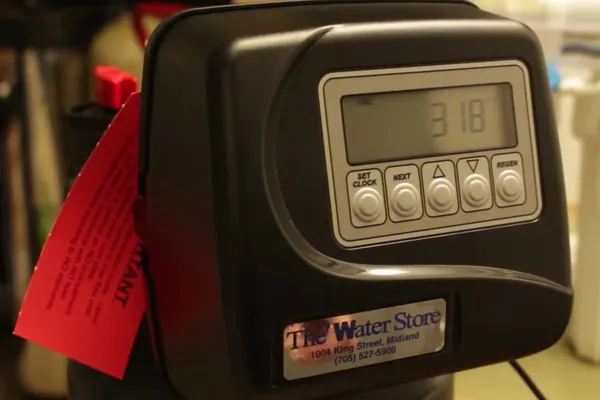
Is Prescott Valley water actually hard enough to need a softener?
It is moderately hard, roughly 75 to 130 ppm, or about 4 to 8 grains per gallon. That is gentler than Phoenix water, but it still scales fixtures and water heaters over time. Many homeowners add a softener to protect appliances and reduce spotting.
Where does Prescott Valley water come from?
The Town pumps groundwater from the Upper Agua Fria and Little Chino aquifers through dozens of wells. Some rural pockets run on private wells instead, which can test differently, so we measure your specific water before sizing a system.
Salt or salt-free, which is better?
Salt-based softeners truly remove hardness through ion exchange and are the proven choice for scale. Salt-free conditioners change how minerals behave without removing them, which some prefer for sodium reasons. We explain the trade-offs so you can pick.
How often does a softener need service?
A yearly check is plenty for most homes. We make sure salt is not bridged, the control valve works, and the resin is still doing its job. Catching a small issue early keeps the system from failing during a busy week.
Will a softener help my water heater last longer?
Yes. Softer water leaves less sediment on the bottom of the tank, so the heater runs more efficiently and tends to last longer. Pairing a softener with an annual heater flush is a smart combination here.
Does a softener add salt to my drinking water?
A salt-based softener adds a small amount of sodium during ion exchange. For most people it is minor, but if sodium is a concern, a salt-free conditioner or a separate drinking-water filter at the kitchen tap is an option. We can set up either.
How long does a water softener last?
A quality softener often runs 10 to 15 years with basic upkeep. Resin gradually loses capacity, and control valves wear, but both are serviceable. Keeping salt topped off and getting a yearly check is what gets you the full lifespan.
Where does a water softener get installed?
Usually where the main water line enters the home, often in the garage, so it treats all the water before it reaches your fixtures and water heater. It needs a drain nearby for the regeneration cycle and a power outlet. We assess the space and route it cleanly during the visit.
How much salt does a softener use?
It varies with your water hardness and household size, but most homes add a bag of salt every few weeks to a couple of months. We size the system to your usage so it runs efficiently, and we show you how to keep the brine tank topped up so it keeps protecting your home.
Keep exploring Prescott Valley plumbing
Related services
Service areas
From the blog
Tired of scale on every fixture?
Get a softener sized for Prescott Valley water, or fix the one you have. Call a local plumber.
Call (928) 498-0363