
Burst Pipe Repair in Prescott Valley, AZ
A burst pipe can dump hundreds of gallons an hour into your home. Up here, the cause is usually a hard freeze, not summer pressure. We help you stop the water, then locate, repair, and pressure-test the break, any hour.
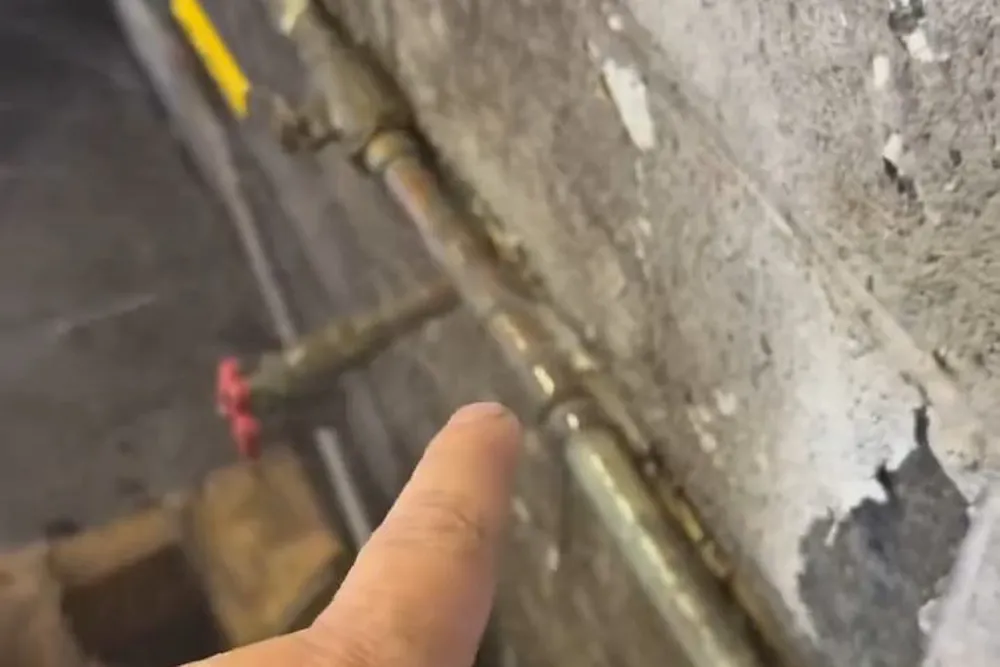
Burst pipe repair stops the water from a ruptured line, replaces the broken section, and checks the lines around it for the same damage. A burst pipe is an emergency because the water spreads through walls, floors, and ceilings in minutes. In Prescott Valley, the dominant cause is cold-weather rupture, not the monsoon pressure surges that drive Phoenix-metro bursts. When water freezes inside a pipe, it expands until the pipe splits, and the leak often stays hidden until the ice thaws and the water starts moving.
What causes burst pipes here, and why winter is the season
The trigger in Prescott Valley is almost always the cold. A freeze expands the ice inside a pipe until the wall fails, sometimes at a fitting, sometimes mid-run. The pipe material shapes how it breaks.
- Galvanized rupture. Older galvanized lines corrode from the inside, then split under freeze pressure. Winter galvanized rupture is common in 1980s homes.
- Copper splits. Copper tears along a seam when ice expands, a clean but fast-flooding break.
- PEX failures. PEX handles freezing better, but fittings and connections can still let go.
Two scenarios define the local pattern. First, emergency response in active adult communities like Quailwood Greens, where a midday freeze-thaw catches an exposed line. Second, the vacant active-adult home rupture: a snowbird house where a supply line burst and ran for days before anyone walked in. Both are why fast shutoff and a 24/7 plumber matter so much in this town.
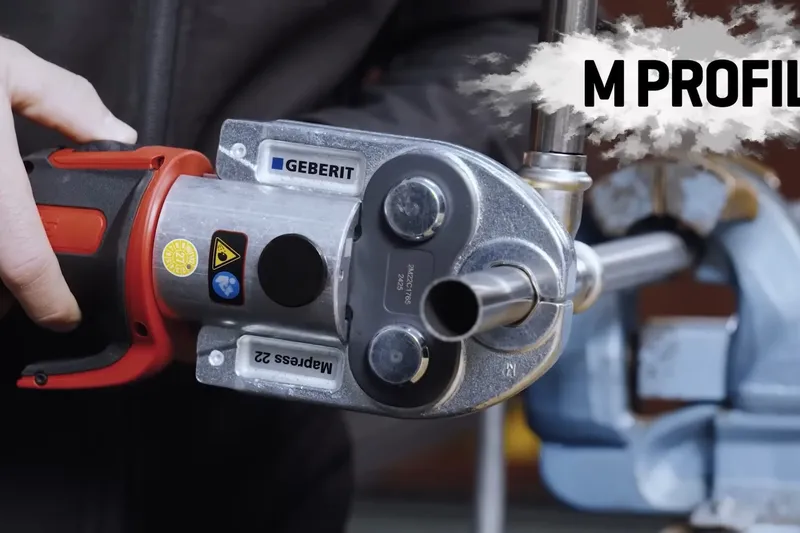
How we find and assess a burst pipe
The faster the burst is found and isolated, the less it costs to fix and dry out.
Confirm the burst and stop the flow
Water pooling, a ceiling stain spreading, or a sudden roar in the walls all point to a rupture. The first move is the main shutoff. If the break is on one branch, we can isolate just that line so the rest of the home keeps water.
Water meter and pressure check
A meter that spins with every fixture off confirms an active break. A sudden pressure drop, or no water at all after a freeze, tells us a line has likely split somewhere on the supply.
Locate the rupture
We trace the break to its spot, whether it is an exposed garage line, a hose bib burst at the wall, or a supply line burst behind drywall. Pinpointing it keeps the opening small.
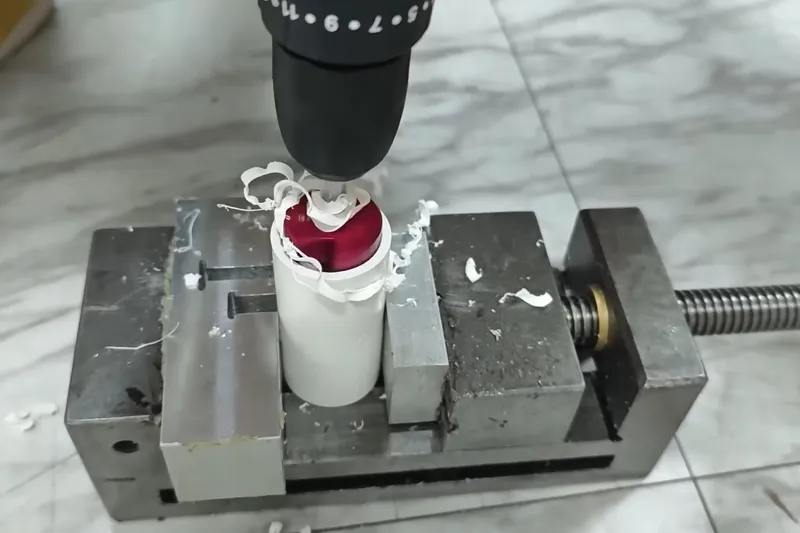
How we repair a burst pipe
The repair is only done when the broken section is replaced and the line holds pressure again.
Replace the ruptured section
The split length gets cut out and replaced, matched to the existing copper, PEX, or galvanized line. Where a freeze caused the break, we often upgrade that run to PEX, which tolerates cold far better.
Check related lines and repressurize
The same freeze that split one pipe usually stressed its neighbors. We inspect nearby runs and fittings, then bring the system back up to pressure and watch for any weeping joint before we call it done.
Cost of burst pipe repair in Prescott Valley and the Tri-Cities
Cost tracks the size of the break and where it sits. An accessible split is the low end. A burst behind a wall, with drywall and cleanup, costs more. The price is confirmed before work begins.
Typical price ranges (2026)
| Job | Typical 2026 range |
|---|---|
| Repair an accessible burst section | $400 to $1,200 |
| Burst line behind a wall or ceiling | $800 to $2,500 |
| Hose bib burst repair | $200 to $600 |
| Upgrade a chronic freeze line to PEX | $500 to $1,800 |
Large losses with flooding and restoration run higher and may overlap with emergency plumbing. We confirm the price on site.
Prevention and related pipe work
The best burst pipe repair is the one you never need. After a rupture, we look at why it happened and fix the cause, whether that means insulating the run, retrofitting a frost-free hose bib, or planning a repipe for a home full of failing galvanized line. A pinhole leak rupture in old copper is often a sign the rest of the supply is on borrowed time.
For snowbirds and anyone leaving a home empty in winter, prevention is mostly about the shutoff. Draining exterior lines and protecting interior plumbing before you travel turns a potential burst into a non-event. We can set that up as part of a winterizing visit, then check the home if a hard freeze rolls through while you are gone.
Why pipes burst here, and how to stop the next one
The freeze-thaw mechanism
Almost every burst pipe we repair in winter follows the same physics. Water in an exposed or poorly insulated pipe freezes, and as it turns to ice it expands and builds enormous pressure in the closed section between the ice and a faucet. That pressure splits the pipe, but the split is sealed by the ice itself, so it often does not leak until the thaw, when water begins moving again and pours out of the crack. This is why a flood frequently arrives a day after the cold snap, and why a frozen pipe should be treated before it thaws, not after.
The special danger of an empty house
Our large snowbird population means many homes sit empty through the coldest months, and an unoccupied house is where a burst pipe does the most damage, because it can run for days or weeks with no one to notice or shut the water. The losses from these are some of the worst we see. If a home will be empty in winter, the safe choices are to keep minimal heat on with the water main shut off, or to have the plumbing properly winterized and drained. Either removes the conditions a burst needs.
After a burst, and preventing a repeat
When a pipe bursts, shutting the water at the main and cutting power to any flooded area are the first moves, then the repair. We fix or replace the failed section, but the lasting answer is removing the freeze risk that caused it: insulating vulnerable runs, adding heat or sealing drafts where the pipe sits, fitting frost-free bibs, and repiping chronically exposed lines in PEX, which tolerates a freeze far better than rigid pipe. We point out what set up the burst so the same spot does not fail again next winter.
Frequently asked questions
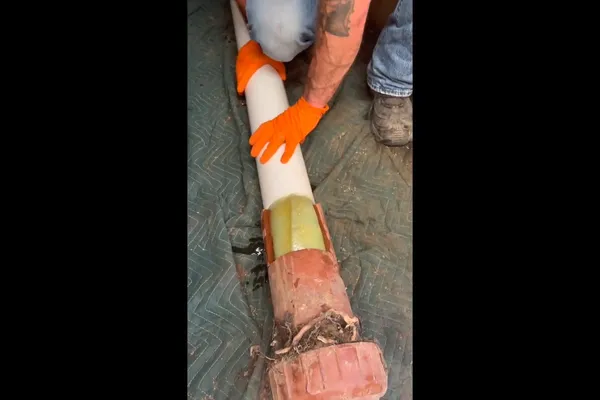
A pipe just burst. What do I do first?
Shut off the water at the main valve right away. That stops the flooding while help is on the way. Then open a faucet to relieve pressure, move valuables clear of the water, and call. If you cannot find the main, we will locate it with you on the phone.
Why did my pipe burst in winter?
Almost always a freeze. Water expands as it turns to ice, and that pressure splits the pipe, often at a fitting or a thin spot. Exposed lines in garages, exterior walls, and crawl spaces are the usual victims, especially after the first hard freeze.
My pipe froze but has not burst. Is that still urgent?
Yes. A frozen pipe is under pressure and can split as it thaws. The safe window is short. We can guide you through gentle thawing or come out before it ruptures, which is far cheaper than cleaning up after a burst.
Will you replace the pipe or just patch it?
We replace the ruptured section rather than band-aid it. Where a freeze caused the break, we often upgrade that run to PEX, which handles cold better. Then we check nearby lines the same freeze may have weakened.
Can a burst pipe in an empty house be that bad?
It can be the worst kind. A supply line in a vacant snowbird home can run for days, soaking floors, walls, and cabinets before anyone notices. That is why winterizing and a check-in plan matter so much for homes left empty in the cold months.
Does insurance cover a burst pipe?
Many policies cover sudden water damage from a burst pipe, though coverage varies and freeze-related claims sometimes hinge on whether the home was heated. We document the cause and the repair clearly so you have what you need. Confirm the specifics with your insurer.
How do I keep it from happening again?
Insulate the exposed run, add heat tape on chronic problem lines, retrofit frost-free hose bibs, and consider a PEX upgrade for old galvanized pipe. Before traveling in winter, shut off and drain exterior lines. We can handle all of it in one visit.
How quickly can you reach a burst pipe?
We treat a burst pipe as an emergency and move as fast as the drive allows, any hour. While you wait, shut off your water at the main to stop the flooding, and we will talk you through it on the phone if you are not sure where the valve is. The faster the water is off, the less the damage.
Should I shut off the electricity if a burst pipe floods a room?
If water is near outlets, light fixtures, or the electrical panel, stay clear and shut off power to that area at the breaker if you can do so safely. Water and electricity are a dangerous mix. Protect yourself first, then worry about belongings. We handle the wet work once the area is safe.
Keep exploring Prescott Valley plumbing
Related services
Service areas
From the blog
Pipe burst and water spreading?
Shut off the main and call now. A Tri-Cities plumber will stop the leak and repair the break, 24/7.
Call (928) 498-0363