
Hose Bib & Outdoor Faucet Repair in Prescott Valley, AZ
An outdoor faucet is the most freeze-exposed plumbing on your home, and a split one can flood a wall before you notice. We repair and replace hose bibs, retrofit frost-free sillcocks, and winterize the connections that fail every cold snap.
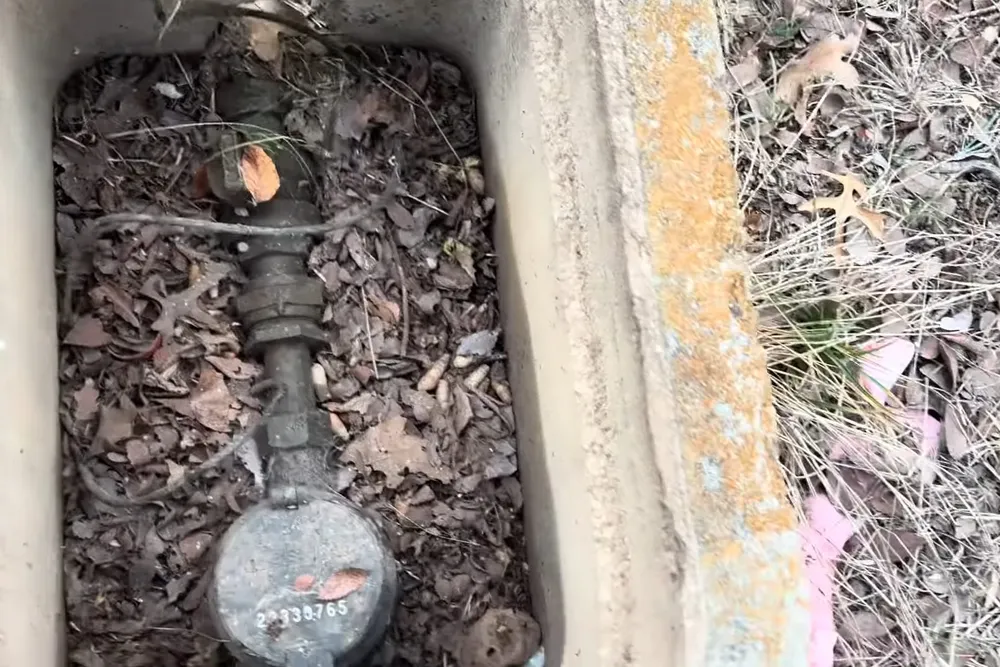
Hose bib and outdoor faucet repair fixes the spigots on the outside of your home, the ones most exposed to a Prescott Valley freeze. The common jobs are a leaking or split hose bib, a worn handle or washer, a missing anti-siphon vacuum breaker, and the frost-free sillcock retrofit that prevents winter damage. Because an outdoor faucet sits on an exterior wall, water that freezes inside it can split the pipe behind the siding, so this small fixture causes outsized trouble when it fails.
Why outdoor faucets fail here, and how to prevent it
Outdoor faucets take the brunt of winter, and the failures follow a pattern.
- Freeze splits. Water left in a standard hose bib freezes, expands, and cracks the valve or the pipe behind the wall.
- Drips and worn parts. Washers, packing, and handles wear out and leak.
- Missing backflow protection. An outdoor faucet without an anti-siphon vacuum breaker can let contaminated water siphon back.
The fix that matters most here is the frost-free sillcock, also called a freeze-proof hose bib. It places the shutoff deep inside the heated wall, so no water sits in the exposed section to freeze. Retrofitting one, plus disconnecting hoses and shutting off the line before winter, ends the yearly cycle of split bibs and flooded walls.
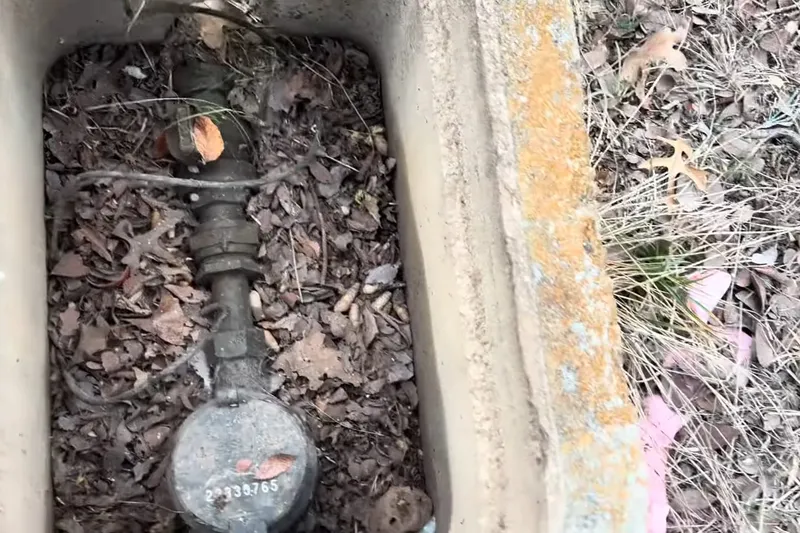
How we diagnose an outdoor faucet
A quick look tells us whether it is a washer, the valve, or freeze damage behind the wall.
Check the faucet and handle
A drip at the spout or handle usually means a worn washer or packing, an easy repair. We confirm the valve type and whether it is a standard or frost-free bib.
Look for freeze damage
If water sprays inside the wall when the faucet is opened, the pipe behind it has split from a freeze. That needs the section repaired and, ideally, a frost-free replacement so it does not happen again.
Check backflow protection
We make sure the outdoor faucet has a working anti-siphon vacuum breaker, which keeps hose water from siphoning back into your drinking water. If it is missing or failed, we add or replace it.
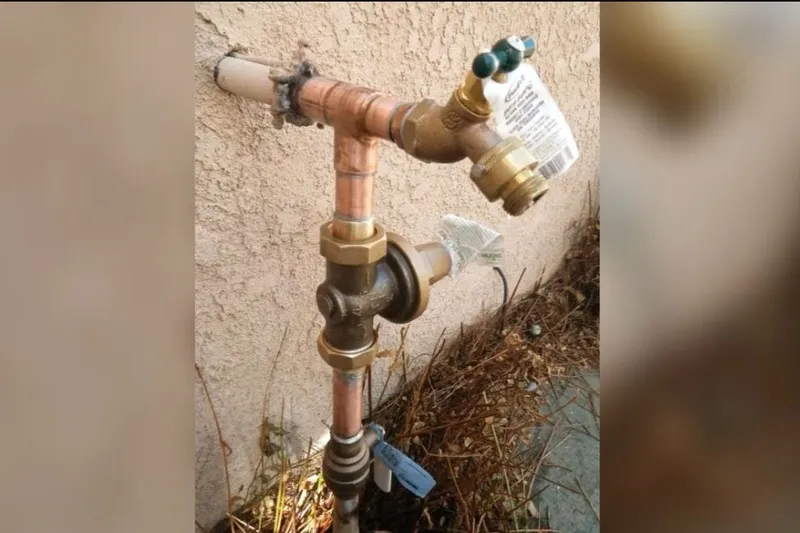
Repairs, retrofits, and winterizing
From a simple washer to a freeze-proof upgrade, the work is quick and lasting.
Repair or replace the bib
We replace worn washers and packing to stop a drip, or swap a corroded or split hose bib entirely. Where a freeze cracked the pipe behind the wall, we repair that section and replace the faucet.
Frost-free retrofit and winterizing
The lasting fix is a frost-free sillcock, set so no water sits in the exposed part to freeze. Before winter, we can also shut off and drain outdoor lines and irrigation, so nothing splits while you are away or asleep.
Cost of hose bib repair in Prescott Valley and the Tri-Cities
Repairs are inexpensive, and a frost-free retrofit costs a bit more for a lasting fix. A washer swap is the low end. A freeze-proof replacement is the better long-term value. You hear the price first.
Typical price ranges (2026)
| Job | Typical 2026 range |
|---|---|
| Repair a leaking hose bib | $100 to $250 |
| Replace a standard hose bib | $150 to $350 |
| Frost-free sillcock retrofit | $150 to $450 |
| Winterize outdoor lines and irrigation | $120 to $400 |
A freeze that split the line behind the wall may overlap with burst pipe service. We confirm the price first.
Winterizing, irrigation, and the freeze-season checklist
Outdoor faucet care is really winter care, and it pairs naturally with the rest of a freeze-season plan. Before the first hard freeze, hoses should come off, frost-free or not, since a connected hose traps water that can still freeze back into the bib. Disconnecting hoses, shutting off and draining irrigation, and protecting any exposed line are the steps that keep an outdoor faucet from becoming an indoor flood.
For snowbirds and anyone leaving a home empty in winter, we fold outdoor faucets into a full winterizing visit. Shutting off the supply to exterior lines, draining them, and retrofitting frost-free bibs where needed turns the most freeze-prone part of your plumbing into a non-issue. It is a small, cheap step that prevents one of the most common and most damaging winter failures.
Outdoor faucets at 5,100 feet
Why outdoor faucets are our most common freeze casualty
Of everything that freezes in a Prescott Valley winter, the exposed hose bib is the most frequent victim, because it sits on an exterior wall with no insulation around it and often with a hose still attached trapping water inside. When that water freezes and expands it splits the faucet or the pipe just inside the wall, and like most freeze breaks it often does not leak until the thaw, when it suddenly pours inside the wall. Disconnecting hoses every fall and draining the bib is the simplest prevention, and an insulated cover adds a margin on the coldest nights.
The frost-free upgrade that ends the cycle
A frost-free hose bib is built so its actual shutoff valve sits deep inside the heated wall, with the exposed portion draining empty when closed, so there is no water in the cold zone to freeze. Retrofitting frost-free bibs is one of the best small investments a homeowner here can make, turning a yearly freeze risk into a non-issue. It has to be installed with the correct downward pitch so it drains properly, which is a detail worth getting right rather than assuming any frost-free unit is automatically safe.
Repairs, replacements, and irrigation ties
A bib leaking from the handle is usually a worn packing washer or stem and is a quick repair, while one that leaks only after a freeze needs replacing. We also handle the connections where outdoor faucets and irrigation tie into the home's plumbing, including the backflow protection those connections require, so the outdoor side is both freeze-ready and properly separated from your drinking water.
If there is one outdoor-plumbing habit worth building here, it is treating the hose bibs as a fall checklist item: disconnect every hose, drain the bib, and on the oldest exposed faucets, plan the frost-free upgrade before the first hard freeze rather than after the split. That small routine prevents the most common cold-weather flood we see. We can repair a leaking bib, retrofit frost-free units with the correct drainage pitch, and check the backflow protection on any irrigation tie-in, so the outdoor side is freeze-ready and safely separated from your drinking water.
Frequently asked questions
Why did my outdoor faucet split in winter?
Water left in the exposed part of a standard hose bib freezes, expands, and cracks the valve or the pipe behind the wall. A connected hose makes it worse by trapping water. The lasting fix is a frost-free sillcock, which keeps the shutoff inside the heated wall.
What is a frost-free sillcock?
A frost-free, or freeze-proof, hose bib places its shutoff deep inside the heated wall, so no water sits in the exposed outdoor section to freeze. Retrofitting one is the most effective way to stop the yearly cycle of split bibs and flooded walls here.
Do I still need to disconnect hoses with a frost-free bib?
Yes. A connected hose traps water in the bib even on a frost-free unit, which can freeze back into the valve and defeat the freeze protection. Disconnecting hoses before winter is a simple habit that protects every outdoor faucet.
My outdoor faucet drips. Is that a big deal?
A drip is usually a worn washer or packing, an easy and cheap repair. It is worth fixing, though, since a steady drip wastes water and, in winter, the moisture can freeze and worsen wear on the faucet. We can replace the parts quickly.
What is the vacuum breaker on my hose bib for?
An anti-siphon vacuum breaker stops contaminated water, say from a hose sitting in a pool of fertilizer, from siphoning back into your drinking water. It is a basic backflow protection. If yours is missing or failed, we add or replace it during the visit.
Can you winterize my outdoor faucets and irrigation?
Yes. Before a hard freeze, we shut off and drain exterior lines and irrigation, disconnect and protect outdoor faucets, and retrofit frost-free bibs where they help. For a home you are leaving empty in winter, it is one of the smartest things you can do.
When should I winterize in Prescott Valley?
Aim for October or November, before the first hard freeze. Once overnight lows start dropping into the 20s, exposed outdoor plumbing is at risk. Getting ahead of it avoids the scramble, and the damage, of a faucet that splits during an early cold snap.
What is a frost-free hose bib and do I need one?
A frost-free hose bib keeps its shutoff deep inside the heated wall, so no water sits in the exposed part to freeze and split. At our elevation, where outdoor faucets are the most common freeze casualty, retrofitting frost-free bibs is one of the best small upgrades a homeowner can make.
Why is my outdoor faucet leaking from the handle?
Usually a worn packing washer or stem inside the faucet, which is a straightforward repair. If the leak only shows after a freeze, the faucet may have split internally and need replacing, ideally with a frost-free model. We check which it is and fix it so it is ready for the season.
Keep exploring Prescott Valley plumbing
Related services
Service areas
From the blog
Outdoor faucet leaking or split?
Fix it now and freeze-proof it for next winter. Call a local plumber for hose bib service.
Call (928) 498-0363