
Slab Leak Detection & Repair in Prescott Valley, AZ
Almost every Prescott Valley home sits on a concrete slab, and a leak in the pipes below it can run for weeks before you see it. We pinpoint the leak without tearing up your whole floor, then fix it the least invasive way that lasts, whether that is a small spot repair or a clean reroute.
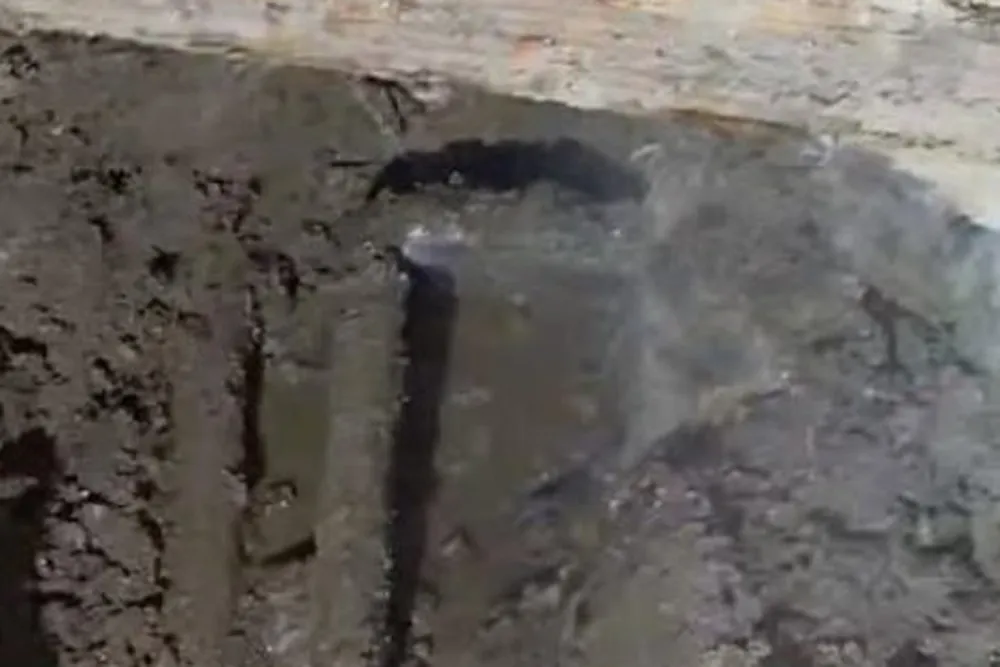
A slab leak is a leak in a water line that runs through or under the concrete slab a home sits on. Slab leak detection locates it precisely, and repair fixes it with as little floor disruption as possible. In Prescott Valley, slab-on-grade construction is the norm, so when a buried line fails, the water has to go somewhere. It can travel laterally through the slab and show up as a warm floor, a damp spot, or a water bill that jumped for no reason.
What slab leaks are, and why Prescott Valley homes get them
Homes here are built on slabs, not basements, like the rest of Arizona. Supply lines often run through or beneath that slab. Over time, a few things make them leak.
- Foundation movement. Decomposed-granite soil shifts with moisture and temperature, and that movement stresses the pipe.
- Abrasion. A pipe rubbing against concrete or rebar wears a hole over years.
- Corrosion. Older copper develops pinholes, especially where water chemistry is aggressive.
The signs are easy to miss at first: a warm patch on the floor from a hot line, the sound of running water with every tap off, low pressure, or cracks that appear as the slab moves. Catching it early keeps a small repair from becoming a flooring project.
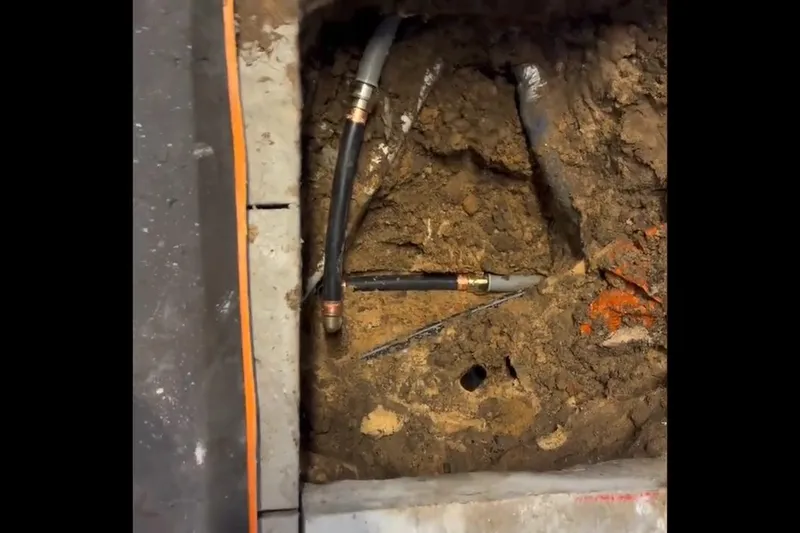
How we find a slab leak
The whole point is to fix the leak without opening the entire floor. That takes accurate detection.
Acoustic leak detection
Sensitive listening equipment picks up the sound of water escaping a pressurized line under the slab. On a quiet floor, a skilled tech can place the leak within a small area.
Electronic and pressure testing
Isolating sections of the plumbing and watching the pressure tells us which line is leaking. Electronic detection narrows the spot further before anything is opened.
Thermal imaging
A hot-water slab leak warms the floor above it, and a thermal camera makes that pattern visible. In winter, cold ambient temperatures can make thermal reads trickier, so we pair it with acoustic methods for accuracy.
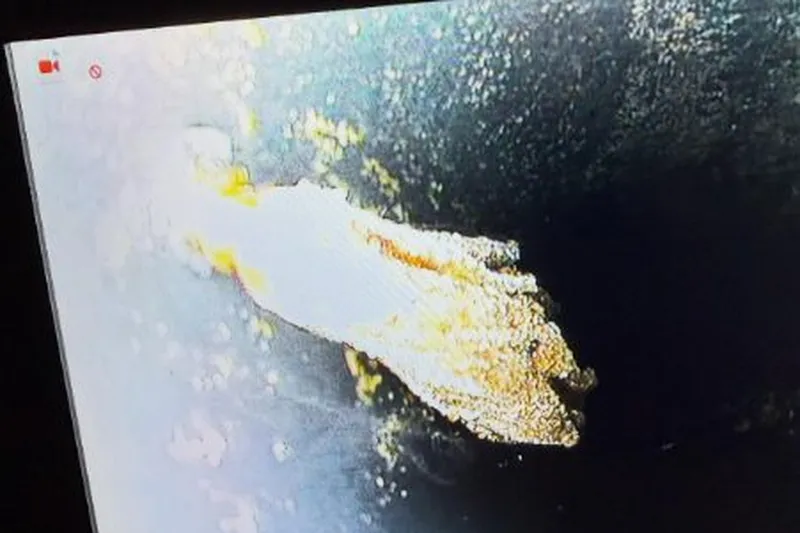
How we repair a slab leak
Once the leak is pinpointed, there is usually more than one way to fix it. We pick the option that fits your home and budget.
Spot repair
If one accessible spot is leaking, we open a small section, repair that length, and close it back up. This is the least invasive fix when the rest of the line is sound.
Reroute or repipe
When a line has leaked more than once, rerouting it above the slab, or repiping that run in PEX, ends the cycle. It avoids repeated jackhammering and is often the better long-term value.
Cost of slab leak repair in Prescott Valley and the Tri-Cities
Detection and repair are priced separately, since some homeowners want the leak found first. A simple spot repair is the low end. A full reroute costs more. The price is set after the leak is located.
Typical price ranges (2026)
| Job | Typical 2026 range |
|---|---|
| Slab leak detection | $150 to $600 |
| Spot repair after detection | $1,000 to $3,500 |
| Reroute or partial repipe | $2,000 to $8,000 |
Repairs that involve flooring or extensive concrete work fall at the higher end. We confirm the price before any work begins.
Related foundation and pipe work we handle
Slab leaks rarely travel alone. While we are there, we can check for post-tension cable conflicts, look at the rest of the supply line for pinhole corrosion, and talk through whether a full repipe makes sense for an older home. Master-planned communities like Stoneridge and Pronghorn Ranch see slab leaks too, despite newer construction, because soil movement does not care how new the house is.
For homes built in the 1980s and 1990s, the original copper is now decades old, and one slab leak is often the first of several. In those cases we lay out the math honestly: repeated spot repairs versus a one-time repipe in PEX that ends the cycle. The right call depends on the home, and we would rather you make it with clear numbers than feel pushed into the bigger job.
Slab leaks on decomposed granite, and how we handle them
Why slab leaks happen here
A slab leak is a break in a water line that runs through or under the concrete foundation, and Prescott Valley sees them for reasons tied to how and where homes are built. Most houses here sit on a slab-on-grade foundation with copper or, in newer builds, PEX lines below it. Our decomposed-granite soil expands and contracts with moisture and abrades buried copper over decades, and the minerals in our moderately hard water can corrode a copper line from the inside until a pinhole opens. Add the pressure cycling that every line sees, and an aging hot-water line under the slab is the classic place for a leak to start.
Catching one before it spreads
The earliest sign is often a water bill that climbed with no change in habits, because the leak runs every hour of every day with nowhere to drain. A warm patch on the floor points to a hot-water line leak directly below. You may hear water running faintly with everything shut off, notice low pressure, or find damp showing up at the edge of the slab or through the flooring. Cracks appearing in floors or walls, or a section of floor that feels different, can follow as the soil under the slab is washed and shifts. The sooner one is found, the smaller both the repair and the collateral damage.
Pinpointing, not jackhammering on a hunch
Opening a slab is disruptive, so we locate the leak precisely first. Acoustic equipment listens for the sound of water escaping the pressurized line through the concrete, pressure testing isolates which line is losing, and thermal and electronic tools confirm the spot. Only then do we know whether the leak sits somewhere we open a single small section of slab to reach, or whether a reroute is the smarter move. Pinpointing turns a whole-floor unknown into a defined repair area.
Repair options, weighed for your home
Once the leak is located, there are usually three paths. A spot repair opens one small area of the slab, fixes the failed section, and patches it, which suits a single isolated leak in an otherwise sound system. A reroute abandons the failed line under the slab and runs a new line through the wall or attic to bypass it entirely, which avoids opening the floor and often makes sense for an upper-floor or hard-to-reach leak. A repipe replaces aging lines altogether and is the right call when one slab leak is the third or fourth failure in a system that is simply old. We pinpoint first, then explain which option fits your leak, your home, and your budget, with the numbers in front of you.
Living through a slab repair, and keeping the next one away
What to expect during the work
Once a slab leak is pinpointed, the repair is more contained than most homeowners fear. A spot repair opens a small, defined area of the floor to reach the failed section, the line is repaired, and the area is patched, with the bulk of the home untouched. A reroute means we run a new line through walls or the attic and tie it in, so the floor is barely disturbed at all. We talk through which approach fits before starting, including how water service is maintained during the work, so you know what the day looks like rather than facing an open-ended dig.
Why one slab leak sometimes signals more
A single slab leak in a younger home with otherwise sound plumbing is usually just that, a single repair. But when the lines are original copper in an older home and our soil and water have been working on them for decades, one pinhole is often the first of several, because the whole run has thinned to a similar point. That is the situation where a reroute or a partial repipe, rather than chasing leak after leak with spot repairs, is the better long-term value. We give you an honest read on which case yours is based on the pipe we find, not a default recommendation.
Reducing the odds going forward
Two things shorten copper's life here: aggressive water chemistry and high pressure. A water softener reduces the mineral load that corrodes copper from the inside, and a pressure regulator set to a safe level keeps the system from running at a stress that accelerates pinholes, since pressure above the normal range wears every joint and line faster. For homes that have already had a slab leak, addressing pressure and water chemistry is how you keep the repair you just paid for from being the first of a series.
To put it plainly: a slab leak is one of the few plumbing problems where every day of delay measurably raises both the bill and the eventual repair, because the water runs continuously and works on the soil under your foundation the whole time. Early pinpointing is the entire game. Once we locate it, we walk you through whether a spot repair, a reroute, or a partial repipe fits your home best, and we factor in our water chemistry and pressure so the fix you choose is also the one least likely to be followed by another.
Frequently asked questions
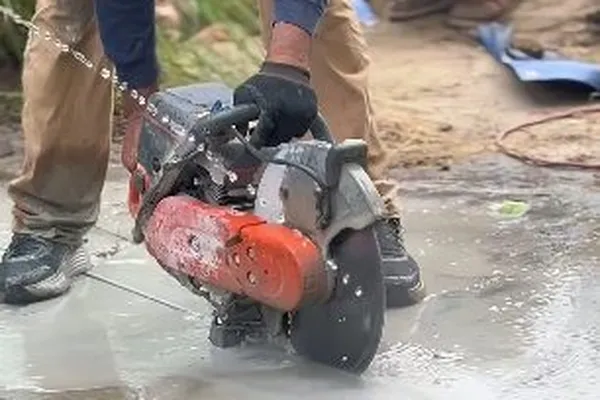
How do I know if I have a slab leak?
Common signs are a warm spot on the floor, the sound of running water when everything is off, an unexplained jump in your water bill, low pressure, or new cracks in the slab or walls. Any one of these is worth a detection visit.
Do you have to break up my whole floor?
No. Accurate detection is what avoids that. We pinpoint the leak to a small area first, then either do a small spot repair or reroute the line above the slab so we do not open the entire floor.
Why do slab leaks happen in newer homes too?
Decomposed-granite soil shifts with moisture and temperature, and that movement stresses pipes under any slab, new or old. Newer master-planned homes in Prescott Valley are not immune, though older copper lines tend to fail sooner.
Is it better to repair or reroute?
If a line has leaked once and the rest is sound, a spot repair is fine. If it has leaked more than once, rerouting or repiping that run in PEX usually costs less over time than repeated repairs and floor work.
Does cold weather affect slab leak detection?
It can. Thermal imaging relies on a warm line standing out against a cooler floor, and cold ambient temperatures muddy that contrast. We combine thermal with acoustic and pressure testing so the result stays accurate in winter.
Will my homeowners insurance cover a slab leak?
Policies vary. Many cover the resulting water damage but not the pipe repair itself, and coverage depends on your specific policy. We document the leak and the work clearly so you have what you need if you file a claim. Check with your insurer on the details.
How long does a slab leak repair take?
A pinpointed spot repair often takes part of a day. A reroute or partial repipe can take a day or more, depending on the run and the finishes involved. We give you a realistic timeline once the leak is located and the method is chosen.
Does a slab leak always mean breaking the floor?
No. We pinpoint the leak to a small area first with acoustic and electronic tools, so access is targeted. Depending on the location, we may open one small spot, or reroute that line above the slab to avoid opening the floor at all. We pick the option that disturbs your home the least.
Can a slab leak raise my water bill a lot?
Yes. Because the leak runs continuously under the slab, even a small one can waste a great deal of water over a month, and a larger one can double or triple a bill. A bill that jumps for no clear reason is one of the most common ways homeowners first notice a slab leak.
Keep exploring Prescott Valley plumbing
Related services
Service areas
From the blog
Warm floor or a mystery water bill?
Let a local plumber find the slab leak before it finds your flooring. Call for detection and repair.
Call (928) 498-0363