
24/7 Emergency Plumber in Prescott Valley, AZ
A burst pipe at 2 a.m. does not wait for business hours. Neither do we. One call reaches a licensed plumber for the emergencies that cannot sit until morning, anywhere in the Tri-Cities.
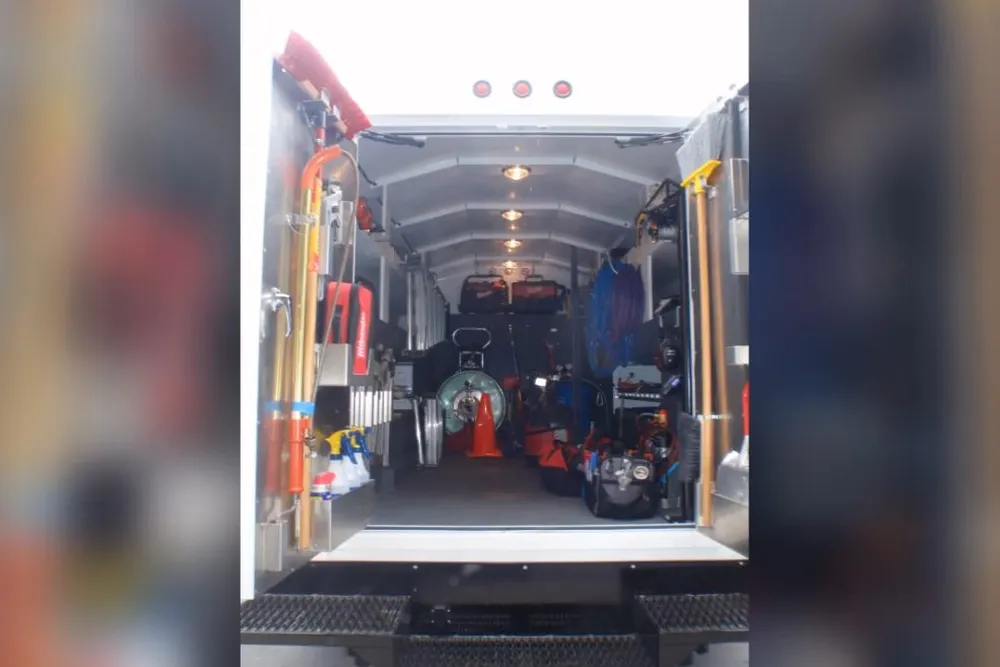
An emergency plumber handles the problems that cause damage by the minute: burst pipes, sewer backups, no water, gas smells, and a water heater that has started leaking across the floor. In Prescott Valley, the after-hours plumber and weekend plumber calls cluster in winter, when a frozen line splits overnight. We answer any hour, help you stop the water first, then get a plumber moving toward your home.
What counts as a plumbing emergency, and why timing matters
Not every problem needs a midnight visit. A slow drip can wait for morning. But some situations cause real damage fast, and those are worth an emergency call.
- Burst or frozen pipe sending water into walls or floors.
- Sewer backup pushing wastewater up through a drain or toilet.
- No water at all, which in winter often means a frozen main.
- Water heater failure that is leaking or flooding.
- Gas smell near a line, range, or heater, which is a safety call first.
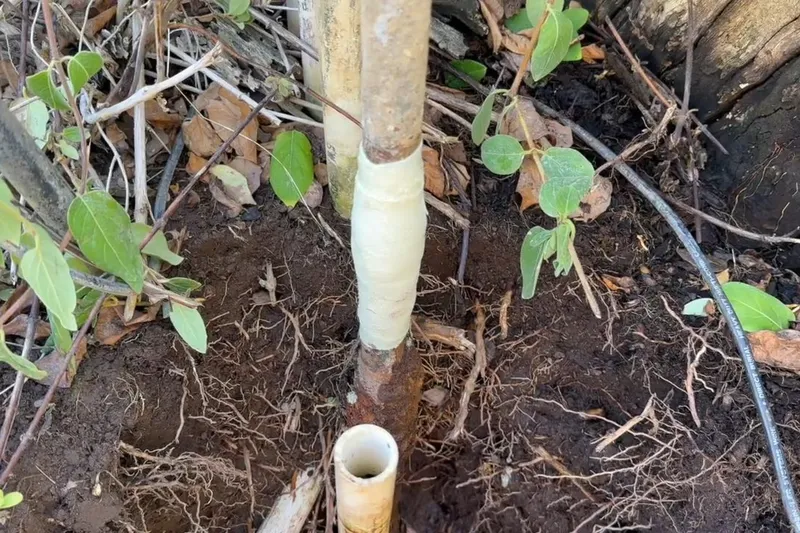
Here the winter pattern is distinct. A frozen pipe that has not burst yet is still an emergency, because the window to act before it splits is short. Emergency leak repair and emergency water heater calls rise sharply during a cold snap, along with snowbird vacant-home emergencies discovered late.
How we handle an emergency call
The goal in the first minutes is simple: stop the damage, then fix the cause.
Stop the water at the main
For most water emergencies, the first move is the main shutoff. If you are not sure where your valve is, we will find it with you on the phone. Shutting the main can save thousands in damage before anyone arrives.
Triage over the phone
We ask what is happening and where the water is, then advise the fastest safe step. Some issues, like a gas smell, mean leaving the home and calling the utility first. We tell you plainly which is which.
On-site diagnosis
When the plumber arrives, the source gets pinpointed, whether it is a burst supply line, a failed water heater, a blocked sewer, or a hidden leak. You get the cause and the price before the repair starts.
Common emergency repairs
Most emergencies fall into a few buckets, and most are fixed in a single visit.
Burst and frozen line repair
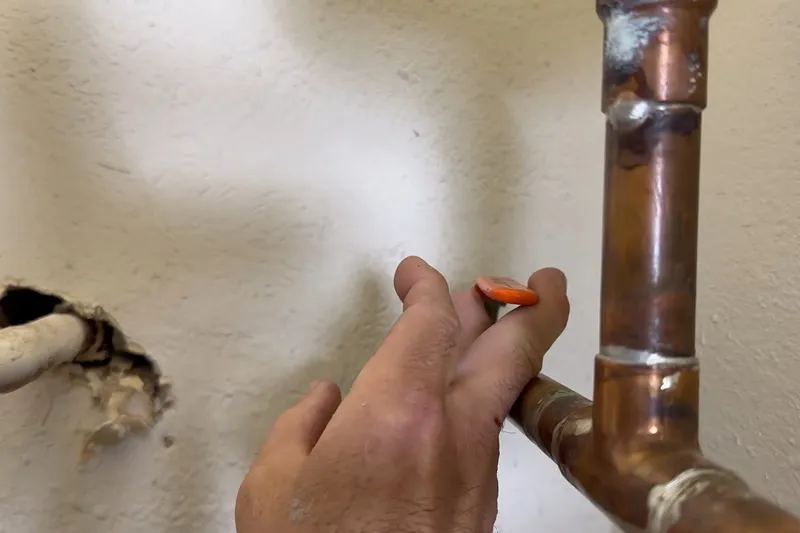
A split section gets isolated and replaced, and we check nearby lines the same freeze or pressure spike may have stressed. Winter rupture is the dominant cause here, not summer pressure surges.
Sewer backup and emergency drain cleaning
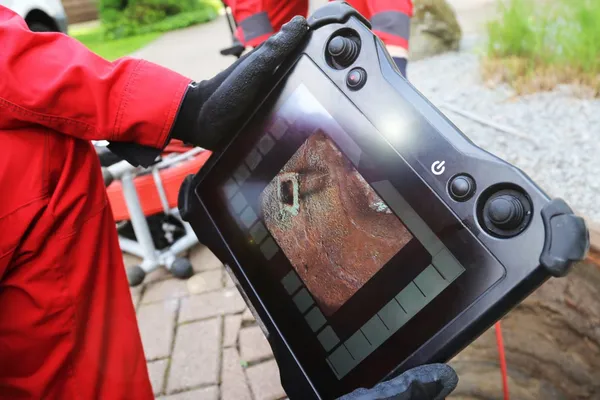
A backed-up main gets cleared, then camera-inspected so you know whether it was a one-time clog or a root-intruded line that needs more work. Emergency drain cleaning stops the immediate mess first.
Emergency water heater service
A leaking or failed heater is shut down, drained if needed, and repaired or replaced. We restore hot water as fast as the situation allows.
Cost of emergency plumber in Prescott Valley and the Tri-Cities
Emergency pricing depends on the job and the hour. A straightforward after-hours diagnostic is the low end. A burst line, sewer backup, or heater replacement costs more. You always hear the price before work begins.
Typical price ranges (2026)
| Job | Typical 2026 range |
|---|---|
| After-hours diagnostic visit | $90 to $250 |
| Emergency burst or frozen line repair | $400 to $1,800 |
| Emergency drain or sewer clearing | $200 to $800 |
| Emergency water heater replacement | $1,500 to $2,500 |
A large loss with flooding can run higher. We confirm the price on site before any work.
Other after-hours work we handle
Beyond the big four, emergency calls include overflowing toilets, a sump or pressure system that quit, and holiday plumber visits when a houseful of guests overwhelms a tired drain. Winter emergency response and snowbird vacant-home checks round out the season. If you are unsure whether your situation is an emergency, call and we will help you decide.
We also handle the calls that are urgent but not yet a disaster: a steadily worsening leak under a sink, a water heater that just started weeping at a fitting, or a drain that backs up a little more each day. Catching these early often means a small repair instead of a flooded room at midnight. When in doubt, a quick phone call costs nothing and can save a lot.
What to do in the first ten minutes of a plumbing emergency
Stop the water before you do anything else
Most emergency damage is measured by how long the water ran, not by how big the failure was. A half-inch supply line that lets go pushes several gallons a minute, so a ten-minute delay finding the valve is the difference between a wet floor and soaked drywall. Your main shutoff is usually where the line enters the house: in many Prescott Valley slab-on-grade homes that is in the garage near the water heater, or at a wall box on the street side. Turn it clockwise until it stops. For a single fixture, the local stop under the sink or behind the toilet shuts just that line so the rest of the house keeps water.
Know which failures cannot wait until morning
A burst or actively spraying pipe, a sewage backup coming up through a tub or floor drain, no water at all to the house, a water heater dumping its tank, or any smell of gas are true after-hours emergencies. A single slow drain, one dripping faucet, or a running toilet you can shut off at the stop are uncomfortable but can wait for a scheduled visit at a lower daytime rate. Knowing the difference saves you the after-hours premium when it is not warranted, and we will tell you honestly over the phone which category you are in.
Why winter drives our emergency calls
At 5,100 feet, Prescott Valley sees overnight lows in the teens and twenties through December, January, and February, and the single biggest cluster of emergency calls follows a hard freeze. Water expands as it freezes and builds pressure between the ice plug and a closed faucet, which is what splits the pipe. The crack often does not leak until the thaw, so the flood arrives a day after the cold snap. Exposed hose bibs, garage lines, and pipes in exterior walls fail first. A frozen pipe that has not yet burst is still an emergency, because catching it before the thaw prevents the water damage entirely.
What an emergency response actually includes
An emergency visit starts with stopping the active damage, then diagnosing the cause, then giving you the repair price before any work begins. For a true emergency the goal is to make the situation safe and dry first, with a permanent repair to follow once the immediate threat is handled. We quote the after-hours rate up front so there is no surprise on the bill, and in nearly every case the cost of a fast response is far below the cost of the water damage that waiting would have caused.
Preventing the emergencies we are called out for most
The three valves every household should be able to find in the dark
When water is spreading at two in the morning, the people who limit the damage are the ones who already know where to turn. Three valves matter: the main shutoff where the line enters the home, the individual stops under each sink and behind each toilet, and the cold-water inlet valve on top of the water heater. Walk the house once in daylight, find all three, and make sure they actually turn, because an old gate valve that has not moved in years can seize. A quarter-turn ball valve is more reliable than an older round-handle gate valve, and replacing a stubborn main shutoff during a calm scheduled visit is far cheaper than discovering it will not close during a flood.
Seasonal habits that head off the worst calls
Before the first hard freeze, disconnect and drain garden hoses so water does not sit in the hose bib and split it, and cover or replace exposed bibs with frost-free models. Know that an empty house is the most dangerous setup in winter: a pipe can burst and run for days with no one home to notice, which is why snowbird properties account for some of the costliest losses we see. If you travel, either keep minimal heat on and the water main shut, or have the system properly winterized. A small amount of preparation each fall removes most of what fills our emergency line each winter.
What to keep on hand
A few towels and a wet vacuum buy you time on a small leak, a bucket catches a drip from above, and a phone with the main-shutoff location already known saves the most important minutes. You do not need a kit of parts, because the right move in a real emergency is to stop the water and call rather than attempt a pressurized repair. Knowing what not to touch, a gas line you smell, an electrical panel near standing water, matters as much as knowing what to do.
One last point worth knowing: the cost of an emergency response is almost always a fraction of the cost of the water damage that waiting causes, because restoration, drywall, flooring, and mold remediation dwarf a plumbing repair. That is the real economics of calling early. When you reach us, have the main shutoff already closed if water is flowing, and be ready to describe what you see, where, and how fast, so we arrive with the right approach for your specific Prescott Valley home rather than a generic truck roll.
Frequently asked questions
Do you really answer 24 hours a day?
Yes. The line is staffed around the clock, including weekends and holidays. Describe what is happening and you will get guidance right away, plus a plumber dispatched if the situation needs one.
What is the first thing I should do in a water emergency?
Shut off the water at the main valve if there is active flooding or a burst pipe. That single step prevents the most damage. If you cannot find the valve, call and we will locate it with you over the phone.
Is a frozen pipe an emergency if it has not burst?
Often, yes. A frozen pipe is under pressure and can split as it thaws. The window to act safely is short, so it is worth a call. We can talk you through safe thawing or send a plumber before it ruptures.
I smell gas. Should I call you first?
Safety comes first. Leave the home, avoid switches and flames, and call your gas utility and emergency services from outside. Once the area is safe, we can repair the line. A gas smell is the one case where the plumber is not your first call.
Will I pay more for an after-hours visit?
There can be an after-hours difference depending on the time and job, and we tell you that up front. You will never get a surprise charge at the end. The price is confirmed before the work starts.
Do you handle emergencies for vacant snowbird homes?
Yes, and these are common here. A pipe that bursts in an empty house can run for days. If you have a neighbor or property manager checking in, we can coordinate with them, get inside, stop the water, and repair the damage while you are away.
What information helps when I call an emergency?
Tell us what is happening, where the water is coming from, and whether you have shut off the main. If you know your home's age or pipe type, that helps too. The clearer the picture, the faster the right plumber and parts get to you.
What counts as a real plumbing emergency?
A burst or leaking pipe, a sewage backup, no water at all, a gas smell, or a water heater dumping water are true emergencies that should not wait until morning. A single slow drain or a dripping faucet usually can. If water is actively spreading or you smell gas, treat it as urgent and shut off the source.
Do you charge more for after-hours calls?
Emergency and after-hours work can carry a higher rate than a scheduled daytime visit, which is standard across the trade. We tell you the pricing before any work starts, so there is no surprise. For a true emergency, stopping the damage quickly is almost always cheaper than waiting.
Keep exploring Prescott Valley plumbing
Related services
Service areas
From the blog
Plumbing emergency right now?
Stop the water and call. A licensed Tri-Cities plumber is ready any hour, day or night.
Call (928) 498-0363