
Is Prescott Valley's Water Hard? What It Means for Your Plumbing
If your fixtures spot, your soap will not lather, or your water heater rumbles, hard water is often the reason. Prescott Valley's Town water is moderately hard, and over time that hardness leaves its mark on your plumbing. Here is what it means and what you can do.
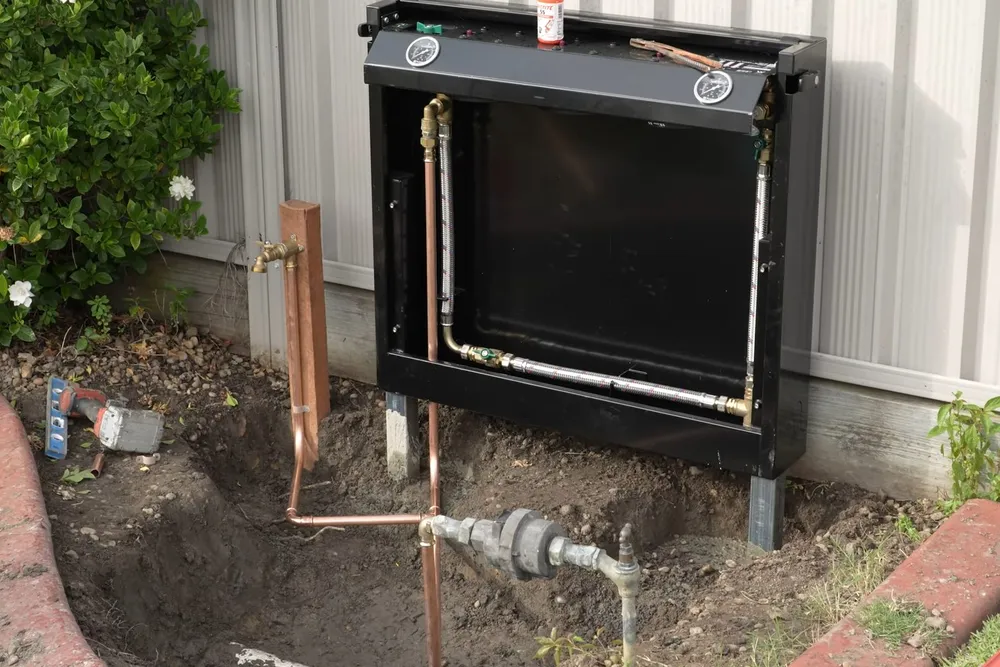
Hard water is water with a high mineral content, mainly calcium and magnesium. It is not a health hazard, but it is hard on your plumbing. In Prescott Valley, the Town water is moderately hard, and the minerals build up steadily on everything the water touches. Understanding the effect, and the options, helps you protect your fixtures and appliances.
How hard is Prescott Valley's water?
Prescott Valley's Town water is moderately hard, generally in the range of about 4 to 8 grains per gallon. The water comes from local groundwater, drawn from the Upper Agua Fria and Little Chino aquifers and treated by the Town. That moderate hardness is enough to cause the familiar scale and spotting over time, though it is not the extreme hardness some regions deal with.
Homes on private wells around the Tri-Cities can see different, and sometimes higher, hardness, since well water varies property to property. Either way, the everyday signs are the same: spots on glasses, scale on fixtures, and soap that will not lather well.
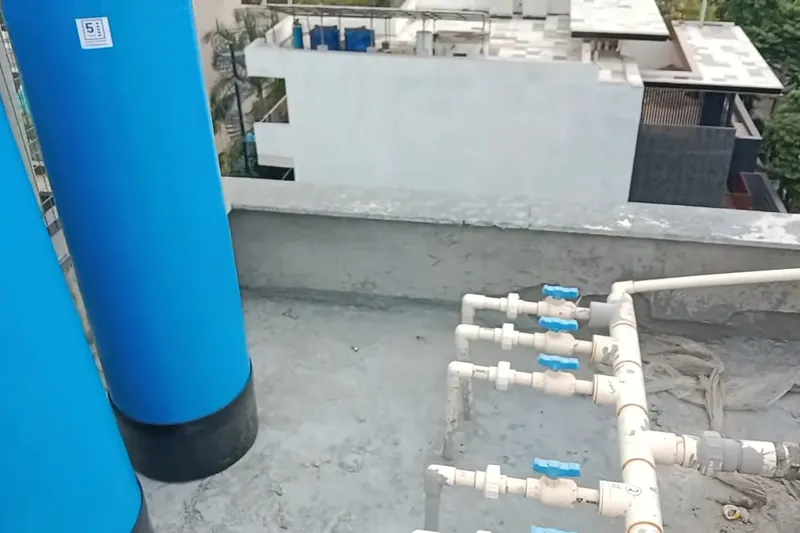
What hard water does to your plumbing
The trouble with hard water is buildup. As water flows and heats, the minerals come out of solution and stick to surfaces. Over months and years, that scale adds up in places you would rather it did not.
- Water heaters. Sediment settles in the tank, bakes onto the heating area, drops efficiency, and shortens the heater's life.
- Fixtures and aerators. Scale clogs faucet aerators and showerheads, cutting flow to a trickle.
- Appliances. Dishwashers and washing machines work harder and wear faster.
- Spotting and film. The cosmetic signs on glassware, tile, and fixtures.
The water heater is where hard water costs you the most. The rumbling sound many homeowners notice is water boiling under a layer of sediment, and it is a sign the tank is working too hard.
Wells versus Town water in the Tri-Cities
If your home is on Town of Prescott Valley water, you can expect that moderate hardness across the board. If you are on a private well, in places like Chino Valley, Paulden, or the rural edges, your water is its own question. Wells can carry not just hardness but iron, sediment, and odor, each of which needs its own treatment.
That is why a water test is the right first step for well owners. It shows exactly what is in your water, so any filtration or softening is matched to your specific supply rather than a generic guess.
What you can do about hard water
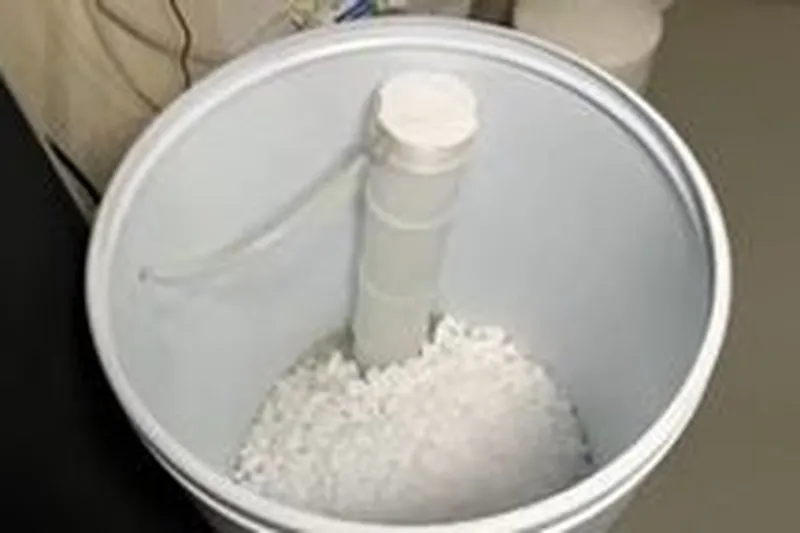
You have good options. A water softener removes the hardness minerals before they reach your plumbing, protecting fixtures, appliances, and especially your water heater. It is the most complete answer for a whole home, and many Prescott Valley homeowners find it pays for itself in longer-lasting appliances.
Even without a softener, a few habits help. Flushing your water heater once a year clears the sediment that hard water leaves behind, restoring efficiency and adding years to the tank. Cleaning faucet aerators and showerheads of scale restores flow. And for drinking water, a filtration system improves taste at the tap. We are happy to test your water and lay out the options honestly.
Frequently asked questions
Is Prescott Valley's water safe to drink?
Yes. Hard water is a plumbing nuisance, not a health hazard. The Town treats its water to drinking-water standards. The minerals that make it moderately hard simply build up on fixtures and in water heaters over time. If you want better taste, a drinking-water filter helps, but the water is safe.
Do I need a water softener in Prescott Valley?
It depends on how much the hardness bothers you and what you want to protect. The Town's water is moderately hard, enough to scale fixtures and water heaters over time. A softener protects your appliances and reduces spotting. Many homeowners find it worthwhile, but it is a choice based on your priorities.
How do I know if hard water is hurting my water heater?
The clearest sign is a rumbling or popping sound, which is water boiling under a layer of sediment in the tank. Reduced hot-water supply and lower efficiency are others. Flushing the tank once a year clears the sediment, and a softener slows how fast it builds up in the first place.
Related plumbing services
The services that deal with hard water and its effects:
Tired of scale, spots, and a rumbling water heater?
We can test your water and fit the right softener or filter. Call a local plumber for honest options.
Call (928) 498-0363