
A Month-by-Month Plumbing Maintenance Calendar for Prescott Valley
The best plumbing repair is the one you never need. A little seasonal maintenance keeps small issues from becoming emergencies, and it is especially worthwhile in our high-desert climate. Here is a simple year-round routine, built for Prescott Valley.
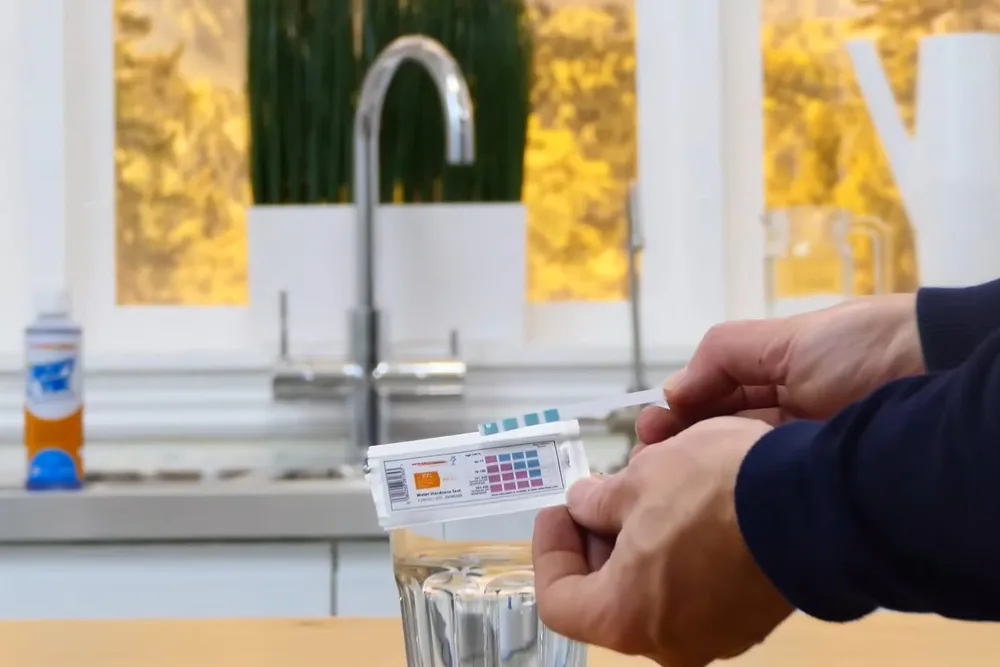
Plumbing maintenance does not have to be complicated. Tie a few simple tasks to the seasons, and you stay ahead of the problems that catch other homeowners off guard. This calendar is organized around Prescott Valley's climate, where the big event is always winter. Use it as a year-round guide.
Spring (March to May): recover from winter
Spring is for checking how your home came through the cold and getting it ready for the year. Start with the water heater: a flush clears the sediment our hard water left over the winter, restoring efficiency.
Test your outdoor faucets now that freezes have passed, watching for leaks that a winter freeze may have started. Check under sinks and around the water heater for any moisture. And keep an eye out for the signs of a slab leak, like a warm floor spot or an unexplained bump in your water bill, since winter ground movement can stress the lines beneath your slab.
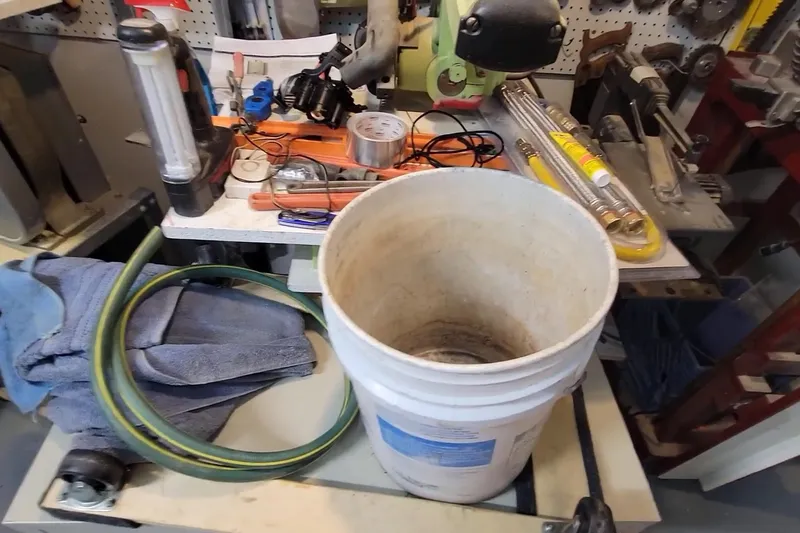
Summer (June to August): drains and monsoon
Summer is a good time for the drains and the everyday systems. If a drain has been slow, address it now rather than waiting. For a drain that keeps clogging, this is the season to find the cause with drain cleaning and, if needed, a camera inspection, before the busy holidays.
Summer monsoons can stress drainage and reveal weak spots, so make sure exterior drainage flows away from the house. Check your outdoor faucets and hose connections, which get heavy use this time of year. It is also a comfortable time for any larger planned work, like a softener install or a repipe, before the cold returns.
Fall (September to November): winterize
This is the most important season for plumbing here, so do not skip it. Before the first hard freeze, usually by October or November, winterize your outdoor plumbing. Disconnect all hoses, since a connected hose traps water that freezes back into the faucet and splits it.
Insulate exposed pipes in the garage, crawl space, and exterior walls. Consider frost-free hose bibs if yours have frozen before. Drain and shut off the irrigation. And if you are a snowbird leaving for the winter, this is when to fully winterize the home or arrange for us to do it. Fall preparation prevents the great majority of winter plumbing emergencies.
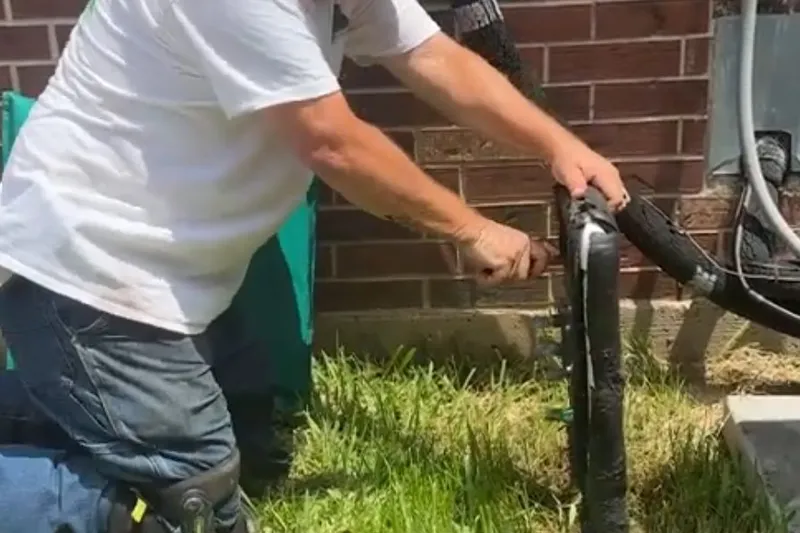
Winter (December to February): protect and watch
Through the cold months, the job is protection and vigilance. On hard-freeze nights, when lows drop into the 20s, let an exterior faucet drip, open cabinet doors under exterior-wall sinks, and keep the heat on. Keep the garage door closed if water lines run through it.
Know where your main shutoff is, so you can act fast if a pipe freezes or bursts. If a faucet gives only a trickle on a cold morning, you may have a frozen pipe, so address it before it can split. A little winter attention keeps the season's most common and costly failures away.
Year-round habits
A few habits pay off in every season. Know your main shutoff and keep it accessible. Address small leaks and slow drains promptly, before they grow. Avoid harsh chemical drain cleaners, which can damage pipes. And if your home is on a well, keep up with water testing and treatment.
Finally, do not ignore the warning signs your plumbing gives you. A rumbling water heater, a recurring clog, rusty water, or a bill that jumped are all your home asking for attention. Catching these early is what keeps a maintenance task from becoming an emergency call. When you need a hand, a local plumber is here year-round.
Frequently asked questions
What is the single most important plumbing task in Prescott Valley?
Fall winterizing. Because our winters bring hard freezes at 5,100 feet, preparing your outdoor and exposed plumbing before the first cold snap prevents the great majority of winter emergencies. Disconnecting hoses and protecting exposed lines is cheap, quick, and the highest-value task on the calendar.
How often should I flush my water heater?
Once a year, ideally in spring. Our moderately hard water leaves sediment in the tank, which drops efficiency and shortens its life. An annual flush clears it. If you have a tankless unit, the equivalent is a yearly descaling. Either way, it is a once-a-year habit worth keeping.
When should I winterize my outdoor faucets?
By October or November, before the first hard freeze. Once overnight lows start dropping into the 20s, exposed outdoor plumbing is at risk. Disconnect hoses, protect or insulate the faucets, and consider frost-free hose bibs. Getting ahead of the cold avoids the scramble and the damage of an early freeze.
Do I need professional maintenance, or can I do it myself?
Many tasks, like disconnecting hoses and watching for leaks, are easy to do yourself. Others, like flushing a water heater, a camera drain inspection, or fully winterizing a home you are leaving empty, are worth a professional. We are happy to handle the bigger jobs and leave the simple habits to you.
Related plumbing services
The services behind a well-maintained home, season to season:
Want a hand staying ahead of plumbing problems?
From a heater flush to fall winterizing, we keep Tri-Cities homes running. Call a local plumber.
Call (928) 498-0363