
How to Keep Your Pipes from Freezing in a Prescott Valley Winter
Prescott Valley is not the desert plumbing most people picture in Arizona. At 5,100 feet, our winters bring hard freezes, and frozen pipes are a real and costly risk. The good news is that prevention is simple and cheap.
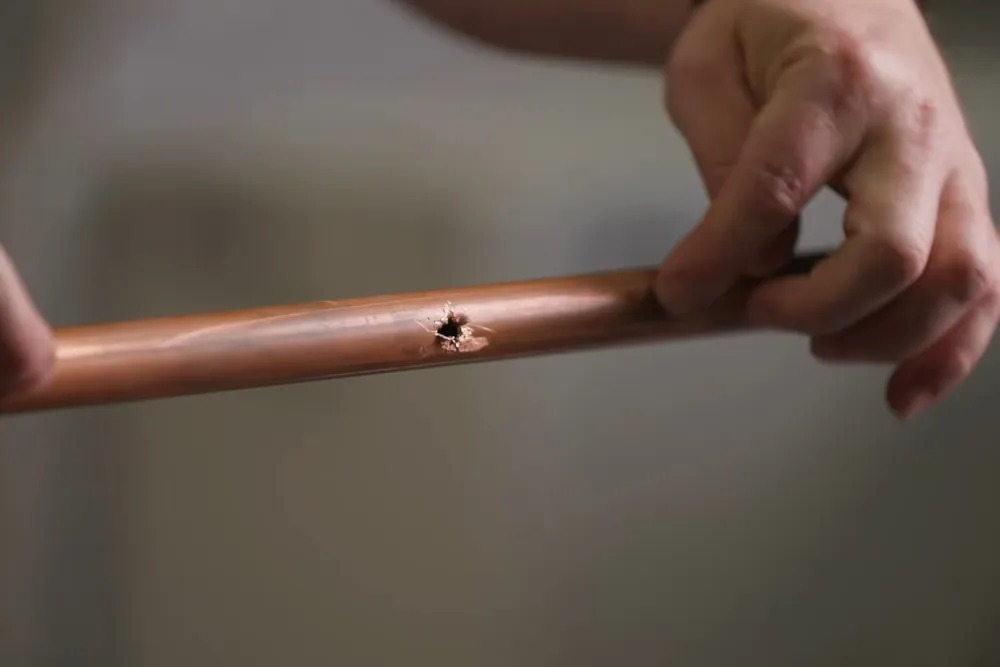
People are often surprised that frozen pipes happen in Arizona. In Prescott Valley, they happen every winter. Our elevation gives us cold nights that drop well below freezing, and the pipes most at risk are the ones builders did not insulate against real cold. A little preparation before the season keeps a frozen pipe, and the burst that can follow, from ruining your week.
Which pipes freeze first in Prescott Valley
Not every pipe is at equal risk. The ones that freeze are the ones exposed to the cold. In our area, that usually means a short list.
- Outdoor faucets and hose bibs. The most exposed plumbing on your home, and the most common to split.
- Garage and crawl-space lines. Unheated spaces let pipes drop to outdoor temperatures.
- Exterior-wall plumbing. Pipes run through outside walls with little insulation behind them.
- Attic and unheated-room runs. Any line in a space your furnace does not reach.
Knowing your home's weak spots is half the battle. Walk through the garage, look under sinks on exterior walls, and find your outdoor faucets. Those are the lines to protect first.
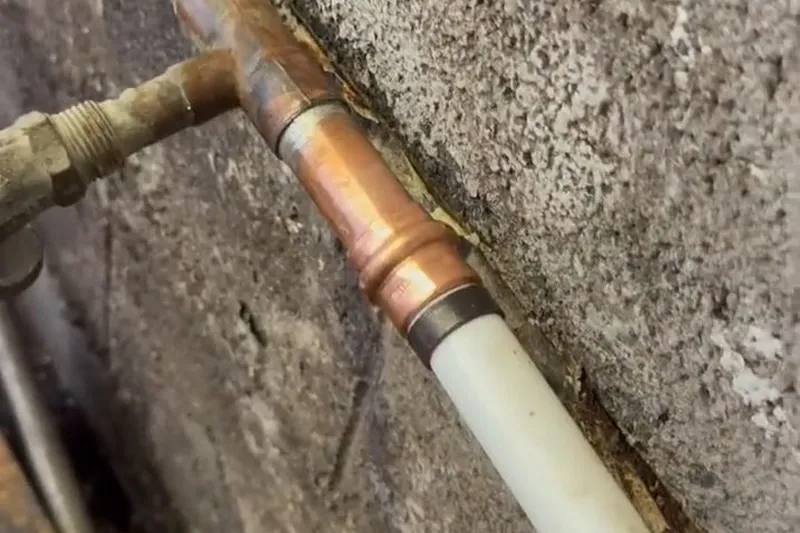
Insulate the lines that need it
Pipe insulation is cheap and easy. Foam sleeves slip over exposed pipes in minutes, and they make a real difference on garage and crawl-space lines. For pipes that have frozen before, heat tape adds another layer of protection, warming the line when temperatures drop.
Pay special attention to the garage. Many homes run the water heater and supply lines through an unheated garage, and those lines feed the whole house. Keeping the garage door closed in winter and insulating the lines inside it protects more than you might think.
When to let your faucets drip
On the coldest nights, a slow drip can save a pipe. Moving water resists freezing, and a trickle keeps water flowing through the most vulnerable lines. When lows are forecast to drop into the 20s or below, let a faucet on an exterior wall drip overnight, especially the one farthest from where your water enters the house.
Open the cabinet doors under sinks on exterior walls too. That lets your home's warm air reach the pipes behind them. These two small steps, a drip and an open cabinet, prevent a surprising number of freeze-ups on the worst nights.
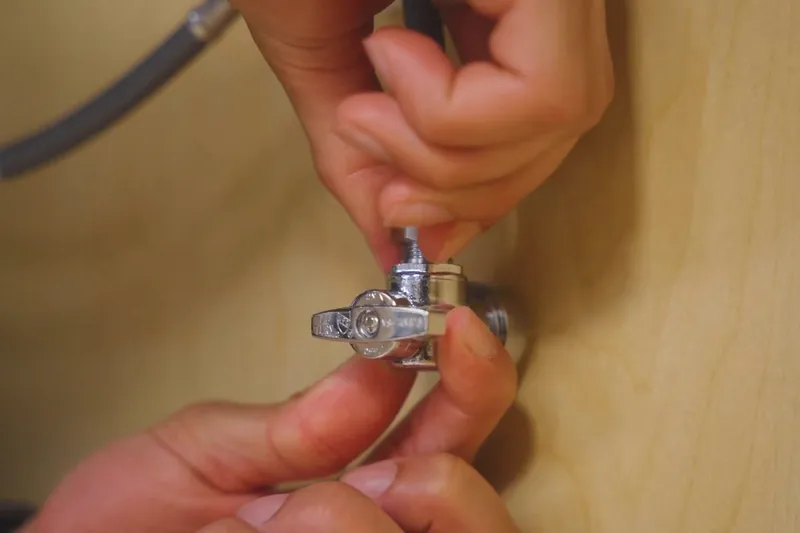
Protect outdoor faucets and irrigation
Outdoor faucets are the single most common freeze casualty. Start by disconnecting every hose before winter. A connected hose traps water in the faucet, where it freezes and splits the pipe behind the wall. This one habit prevents a lot of damage.
For lasting protection, a frost-free hose bib keeps its shutoff deep inside the heated wall, so no water sits in the exposed part to freeze. Shut off and drain your irrigation system for the season too. If you want help, we can retrofit frost-free bibs and winterize outdoor lines in one visit.
What to do if a pipe freezes anyway
Sometimes a freeze sneaks through. The signs are a faucet that gives only a trickle, or no water at all, on a cold morning. If you suspect a frozen pipe, act fast, because a frozen pipe is under pressure and can split as it thaws.
Open the affected faucet so water can escape as the ice melts. Warm the pipe gently with a hair dryer or towels soaked in warm water, working from the faucet end back. Never use an open flame. If you cannot reach the frozen section, or the pipe has already burst, shut off your water at the main and call. We handle frozen pipe thaw and repair and 24/7 emergencies across the Tri-Cities.
Frequently asked questions
At what temperature do pipes freeze in Prescott Valley?
Pipes are generally at risk once temperatures drop into the low 20s, especially overnight and especially on exposed lines. At 5,100 feet, Prescott Valley reaches those lows regularly in winter, so the exposed plumbing in garages, exterior walls, and outdoor faucets needs protection through the cold months.
Should I leave my faucets dripping all winter?
Not all winter, just on the coldest nights. When lows are forecast in the low 20s or below, a slow drip on an exterior-wall faucet keeps water moving and helps prevent a freeze. On milder nights, it is not necessary. Disconnecting hoses and insulating exposed lines matter more day to day.
Is a frozen pipe an emergency?
It can become one fast. A frozen pipe is under pressure and may split as it thaws, turning into a burst that floods your home. If you have a frozen pipe you cannot safely thaw, or one has already burst, shut off your water at the main and call for help right away.
Related plumbing services
If a freeze gets ahead of you, these are the services to call on:
Worried about a freeze, or already have one?
We winterize before the cold and repair frozen pipes 24/7. Call a local Tri-Cities plumber.
Call (928) 498-0363