5 Signs You Need a Water Softener in the High Desert
Hard water rarely announces itself. Instead, it leaves a trail of small clues around your home. If a few of these sound familiar, the moderately hard water common across the Tri-Cities may be worth softening.
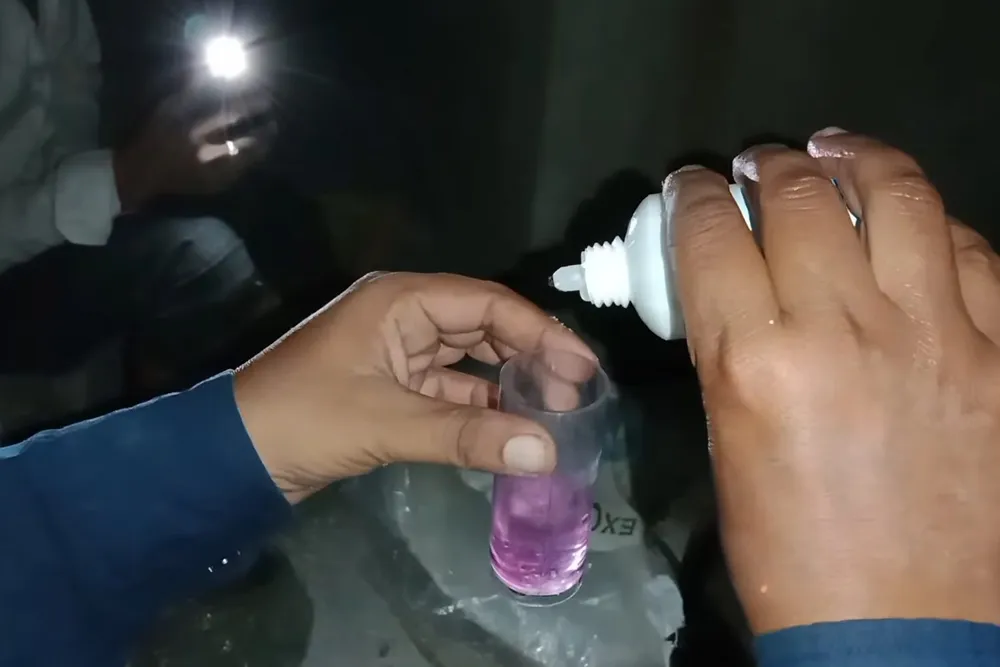
Prescott Valley's Town water is moderately hard, and many Tri-Cities wells are harder still. Over time, that hardness shows up in ways that are easy to miss one at a time, but add up to a clear picture. Here are five signs that a water softener might be worth it for your home.
Sign 1: Spots and scale everywhere
The most visible sign is mineral residue. You see it as white spots on glasses straight from the dishwasher, a chalky film on faucets and shower doors, and crusty buildup around fixtures and drains. That residue is the hardness minerals left behind as water dries.
You can wipe it away, but it keeps coming back, because the minerals are in every drop of water. A softener removes them before they reach your fixtures, so the spots and scale stop forming in the first place.
Sign 2: Your water heater rumbles
If your water heater makes a rumbling or popping sound, that is hard water at work. Sediment from the minerals settles in the bottom of the tank, and water boiling under that layer makes the noise. It also drops the heater's efficiency and shortens its life.
This is where hard water costs you the most. A softener slows the sediment buildup, and an annual flush clears what does settle, together adding years to the tank. If your heater already rumbles, it is telling you the water is hard enough to matter.
Sign 3: Soap will not lather and skin feels filmy
Hard water and soap do not get along. The minerals react with soap, so it will not lather well, and you end up using more of it. After a shower, your skin may feel filmy or dry, and your hair may feel dull. That film is soap scum the hard water helped create.
Softened water lathers easily, rinses clean, and leaves skin and hair feeling better. Many homeowners notice this difference first, often within days of installing a softener.
Sign 4: Low flow from aerators and showerheads
When a faucet or showerhead slows to a weak stream, scale is often the cause. Hard-water minerals build up inside aerators and showerhead nozzles, narrowing the openings until flow drops. You can soak and clean them, but the buildup returns.
If you are constantly cleaning aerators and showerheads, that is a sign the water is depositing scale faster than you can keep up. A softener stops the cycle at the source.
Sign 5: Appliances wearing out early
Hard water is tough on anything that uses water. Dishwashers, washing machines, ice makers, and coffee makers all collect scale internally, which makes them work harder and wear out sooner. If your appliances seem to have short lives, hard water may be a hidden cause.
A water softener protects all of them at once, which is part of why many homeowners find it pays for itself over time. If your home is on a well, a water test first will show whether you also need filtration for iron or sediment.
Frequently asked questions
How many of these signs mean I need a softener?
There is no strict rule, but if several sound familiar, hard water is clearly affecting your home. The water heater rumble and constant scale on fixtures are the strongest signals. A softener is a choice based on how much the hardness bothers you and what you want to protect.
Will a softener really make my appliances last longer?
It helps. Hard water leaves scale inside water heaters, dishwashers, and washing machines, making them work harder and wear faster. By removing the hardness before it reaches them, a softener reduces that wear. Many homeowners find the longer appliance life offsets the softener's cost over time.
Do I need a softener if I am on a well?
Possibly, but start with a water test. Well water varies, and it may carry hardness plus iron, sediment, or odor, each needing its own treatment. The test shows exactly what is in your water, so you can add a softener, filtration, or both, matched to your specific well.
How much maintenance does a water softener need?
Not much. Most softeners simply need salt added periodically, how often depends on your water and your usage. Beyond that, an occasional check keeps it running well. We can show you how to maintain yours, and service it if anything goes wrong, so it keeps protecting your home with little fuss.
Related plumbing services
The services that solve hard water and protect what it damages:
Recognize a few of these signs?
We can test your water and fit the right softener. Call a local plumber for an honest assessment.
Call (928) 498-0363