
Slab Leaks on Decomposed Granite: How to Spot One Early
A slab leak is a leak in the water lines beneath your home's concrete foundation. They are sneaky, costly if ignored, and more common here than you might think, because the ground our homes sit on never quite stays still.
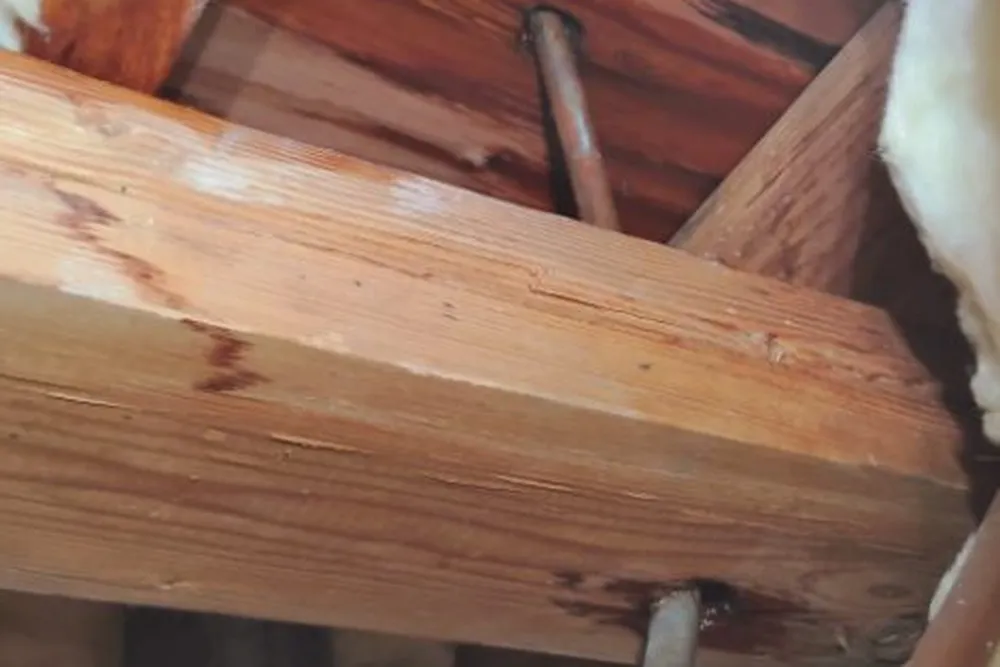
Most home plumbing is at least reachable. A slab leak is not, because it sits in the pipes embedded in or beneath your concrete foundation. That makes it harder to spot and more important to catch early. In the Prescott area, our soil makes these leaks more likely, so it pays to know the warning signs.
What a slab leak is
Many homes are built on a concrete slab, with water lines running through or beneath it. A slab leak is simply a leak in one of those lines. Because the pipe is encased in concrete, the water has nowhere obvious to go, so it works its way up through the slab or out to the sides, often unseen for a while.
Left alone, a slab leak wastes water, drives up your bill, and can undermine the foundation and flooring. Caught early, it is a far smaller and cheaper problem. That is why recognizing the signs matters.
Why our soil makes them more likely
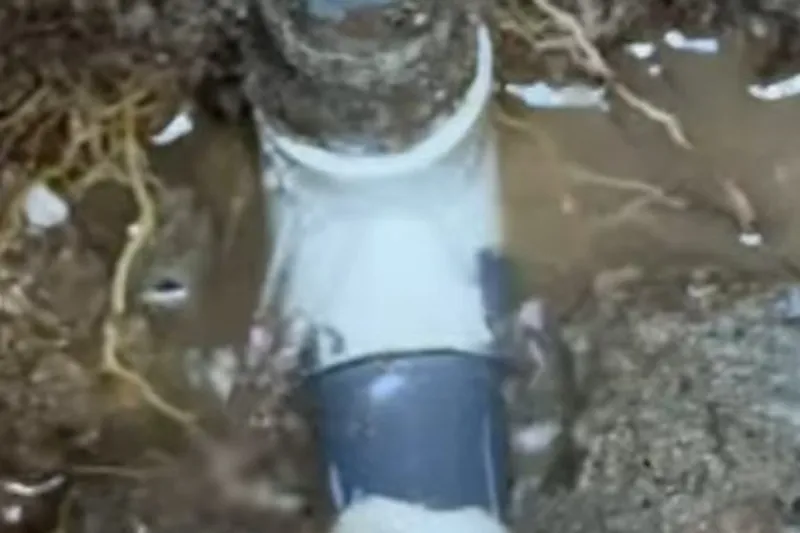
The Prescott area sits on decomposed granite, a dense, gritty soil that shifts with moisture and temperature. That movement is gradual, but over years it stresses the rigid pipe encased in a slab. A line that is flexed and pressured by shifting ground eventually develops a crack or a worn spot, and a leak begins.
This is why slab leaks turn up in newer homes as well as older ones. The soil shifts under any slab, regardless of the home's age. Older copper is more prone to it, but no slab home is entirely immune.
The early warning signs
Slab leaks are quiet, but they leave clues. Watch for these:
- A warm spot on the floor. A hot-water slab leak warms the floor above it, often the first thing people notice.
- A water bill that jumped with no change in how you use water.
- The sound of running water when every fixture is off.
- Low water pressure across the home, as water escapes the line.
- Cracks in flooring or walls, or damp or warm patches on the floor.
Any one of these is worth investigating. The simplest first check is your water meter: if it keeps moving with everything shut off, water is escaping somewhere, and a slab leak is a strong candidate.
How a slab leak gets found and fixed
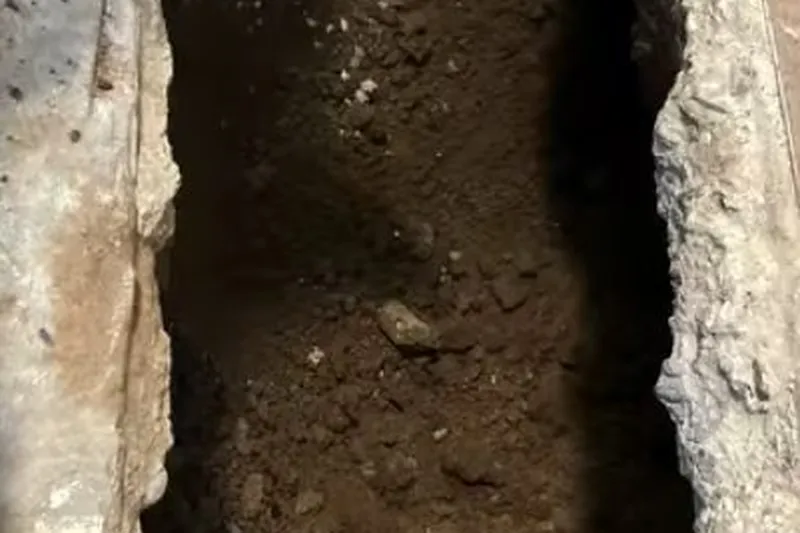
Finding the leak precisely is the whole game, because you do not want to open concrete in the wrong place. We use acoustic, electronic, and thermal tools to pinpoint the leak to a small area, then plan the access.
From there, the repair depends on the situation. A single leak can sometimes be reached and repaired directly. In other cases, rerouting the line above the slab, or repiping that run, makes more sense than repeatedly opening the floor. We handle slab leak detection and repair with as little disruption as possible, and we explain the options so you can choose.
Frequently asked questions
What is the first sign of a slab leak?
Often a warm spot on the floor, from a hot-water line leaking beneath the slab. Other early signs are a water bill that jumped for no reason, the sound of running water with everything off, and low pressure across the home. A meter that keeps moving with all fixtures off confirms a leak.
Can a newer home get a slab leak?
Yes. Our decomposed-granite soil shifts under any slab, new or old, and that movement stresses the pipe below. Older copper is more prone to slab leaks, but newer homes are not immune. The soil, not just the home's age, is what drives the risk in this area.
Do you have to break up my whole floor to fix a slab leak?
No. We pinpoint the leak to a small area first with acoustic, electronic, and thermal tools, so any access is targeted rather than exploratory. Depending on the situation, we may repair the spot directly or reroute the line to avoid opening more of the slab than necessary.
How serious is a slab leak if I ignore it?
Serious over time. A slab leak wastes water and drives up your bill, and the escaping water can undermine the foundation, damage flooring, and invite mold. Caught early, it is a manageable repair. Left for months, it becomes a much bigger and costlier problem, so early action pays off.
Related plumbing services
The services that find and fix a slab leak:
Warm floor spot or a bill that jumped?
Let us pinpoint a slab leak before it spreads. Call a local plumber for precise detection.
Call (928) 498-0363