
Town Water vs. a Private Well: A Tri-Cities Homeowner's Guide
Where your water comes from shapes your whole relationship with your plumbing. In the Tri-Cities, some homes draw from a Town system and others from a private well, and the two could hardly be more different to own and maintain.
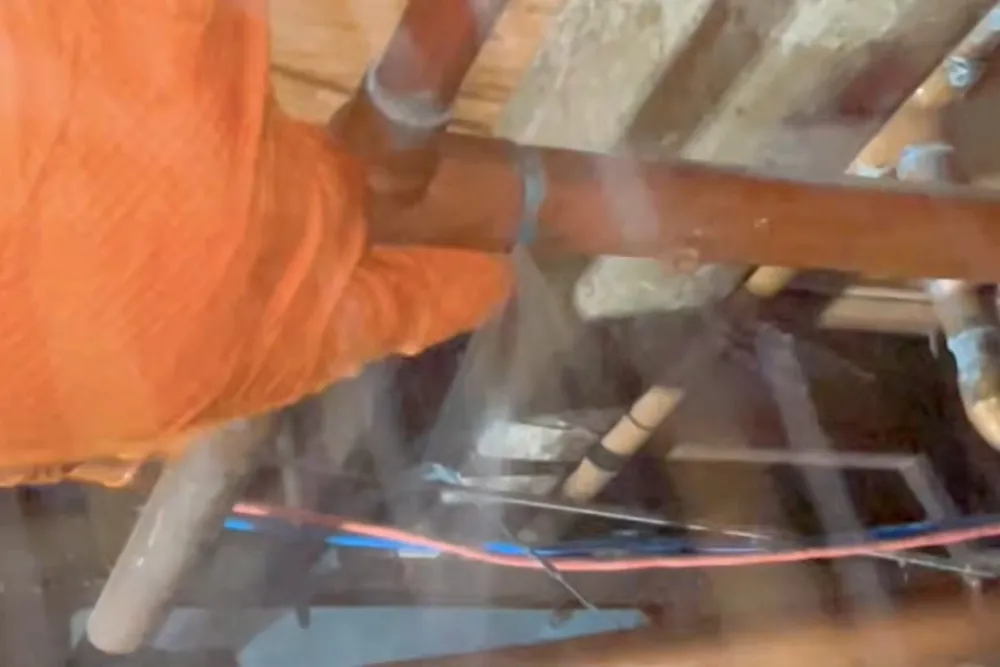
Across Prescott Valley and the Tri-Cities, homes fall into two camps: those on a Town water system and those on a private well. Both deliver water to your taps, but they ask very different things of you as a homeowner. Knowing which you have, and what it means, helps you maintain your plumbing and avoid surprises.
Two very different water sources
A Town water system is run for you. The utility draws, treats, tests, and delivers the water, and you simply pay the bill. A private well makes you the utility. You own the well, the pump, the pressure system, and the water quality, and the upkeep is yours.
That difference touches everything: the equipment in your home, the quality of your water, what can go wrong, and who fixes it. Neither is better or worse, but they are genuinely different to live with.
What Town water means for your plumbing
If you are on Town of Prescott Valley water, your supply is consistent and treated. It comes from local groundwater, drawn from the Upper Agua Fria and Little Chino aquifers, and it is moderately hard. Prescott and Cottonwood run their own municipal systems with similar moderate hardness.
The main plumbing effect of Town water is that hardness. It scales fixtures and water heaters over time, which is why softeners and annual heater flushes are common here. Beyond that, Town water is low-maintenance: no pump to fail, no tank to service, and the quality is handled for you.
| Factor | Town water | Private well |
|---|---|---|
| Source | Town of Prescott Valley Utilities | Your own well and pump |
| Hardness | Moderately hard, 4 to 8 gpg | Varies, often harder |
| Treatment | Optional softener or filter | Test first, treat what is found |
| Water pressure | Regulated by the utility | Set by your pump and tank |
| Common issues | Scale from hard water | Iron, sediment, sulfur, pump wear |
| Who maintains it | Utility, up to the meter | Entirely the homeowner |
| Typical add-ons | A softener | Softener plus iron or sediment filtration |
What a private well means
A private well brings its own system into your home. A pressure tank, a pressure switch, and a pump all work together to deliver water, and any of them can fail. Pressure problems and short-cycling usually trace to that equipment rather than the household plumbing.
Well water quality is also yours to manage, and it varies from one property to the next. A well may carry hardness, iron, sediment, odor, or all of these. There is no utility treating it, so whatever is in the ground is what reaches your tap until you treat it.
Testing and treating well water
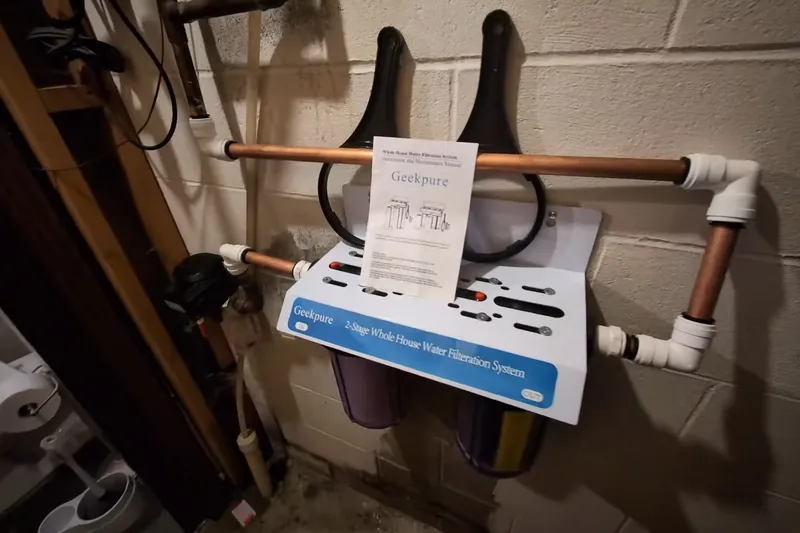
For well owners, a water test is the right starting point. It shows exactly what is in your water, from hardness to iron to sediment. That turns guesswork into a clear plan, so any filtration or softening is matched to your specific supply rather than a generic kit.
Each issue needs its own treatment stage. Carbon handles taste and odor, sediment filters clear grit, and specific media tackle iron or manganese. A softener handles hardness. We build the right combination for your well, and we service the well supply line and pressure system too.
Which Tri-Cities areas run on wells
In general, the more rural the area, the more likely the home is on a well. Prescott Valley proper is mostly on Town water, while Chino Valley, Paulden, Williamson Valley, much of Dewey-Humboldt, and the rural pockets around Mayer and Spring Valley lean heavily on private wells.
If you are buying or moving in the area, it is worth knowing which you are getting. A well offers independence and no water bill, but it comes with equipment to maintain and quality to manage. Town water trades that independence for consistency and low upkeep.
Frequently asked questions
How do I know if I am on Town water or a well?
If you get a monthly water bill from the Town or a utility, you are on a municipal system. If you have a pressure tank in the garage or a well house on the property and no water bill, you are on a private well. When in doubt, the presence of a pressure tank and pump is the clearest sign.
Is well water worse than Town water?
Not worse, just different. Well water is untreated until you treat it, so its quality depends on your ground, and it can carry hardness, iron, or sediment. Town water is treated and consistent but moderately hard. A water test tells you exactly what your well holds and what, if anything, it needs.
Do you service well systems in the Tri-Cities?
Yes. We handle the whole well system, including pressure tanks, pressure switches, pumps, and supply lines, plus the filtration and softening well water often needs. We troubleshoot pressure problems and short-cycling, and we start with a water test to match treatment to your specific well.
Is a private well cheaper than Town water?
There is no monthly water bill with a well, which feels cheaper day to day. But you own the equipment and the upkeep. A pump, pressure tank, or supply line can fail and need repair, and treatment for hardness or iron has a cost. It trades a steady bill for occasional larger expenses.
Related plumbing services
Whether you are on Town water or a well, these services help:
Questions about your Town water or well?
We test, treat, and service both. Call a local plumber who knows Tri-Cities water.
Call (928) 498-0363