
Tree Roots and Old Sewer Lines in Established Neighborhoods
If you live in an established neighborhood with mature trees, your sewer line and those trees may be in a slow-motion conflict. Roots are drawn to the water inside sewer pipes, and over years they can work their way in, causing backups that keep returning until the real cause is fixed.
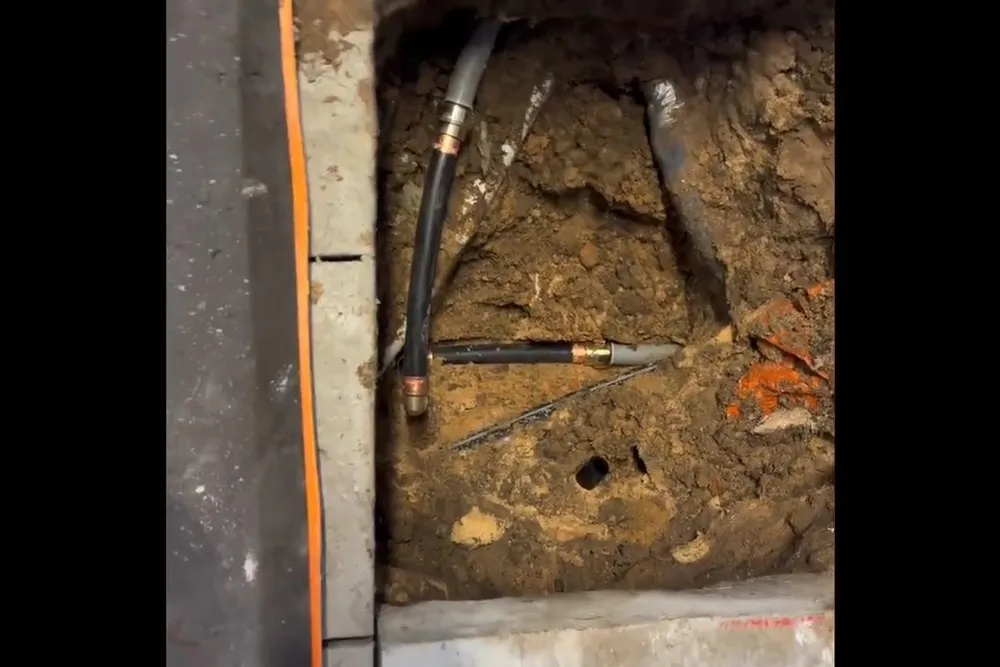
Tree roots seek out water, and a sewer line is a steady source of it. In established Tri-Cities neighborhoods, where the trees are grown and the sewer lines have some age, root intrusion is one of the most common causes of recurring backups. Understanding how it works helps you catch it early and fix it properly.
Why roots invade sewer lines
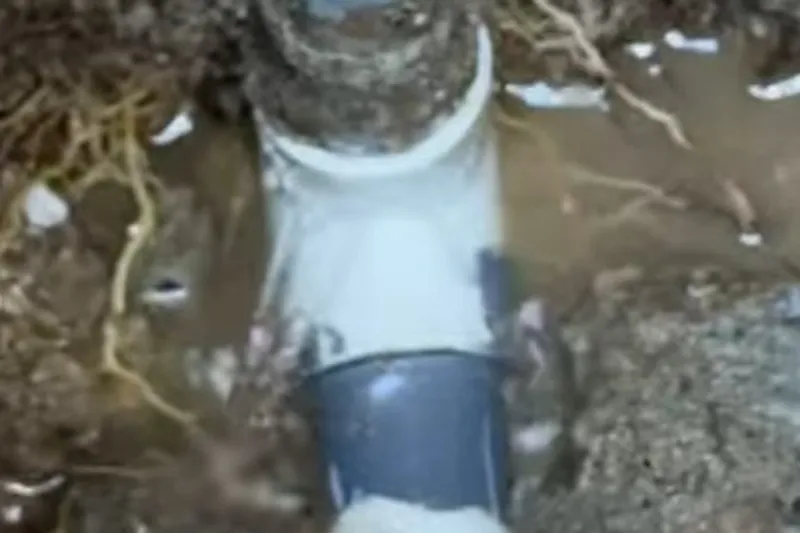
Sewer lines carry water, nutrients, and warmth, exactly what roots are looking for. A perfectly sealed pipe keeps them out. But over decades, pipes develop small cracks, and the joints between sections can loosen or shift. Even a hairline gap is an invitation.
Once a root finds that gap, it grows toward the moisture inside and into the pipe. There it spreads into a mass that catches debris and waste, slowing flow and eventually blocking the line. The bigger the root mass grows, the worse and more frequent the backups become.
Which neighborhoods are most at risk
Three things raise the risk: mature trees, older pipe, and time. Established neighborhoods across Prescott, Prescott Valley, and the older parts of the Tri-Cities check all three boxes. Homes built decades ago, with grown trees in the yard and original sewer laterals, are the classic candidates.
Older clay sewer pipe is especially vulnerable, since its joints give roots easy entry. But any aging line near mature trees can be affected. If your home and your trees have both been there for thirty years, root intrusion is worth watching for.
The warning signs
Root intrusion builds slowly, and it shows up in familiar ways.
- Recurring backups, often every few months, in the same drains.
- Slow drains throughout the house, rather than just one fixture.
- Gurgling toilets when water runs elsewhere.
- A sewage smell in the yard, or unusually lush, green patches over the sewer line.
A backup that returns on a schedule is the strongest hint. Roots regrow, so a line cleared without addressing the intrusion clogs again in a fairly predictable cycle.
Clearing roots versus fixing the cause
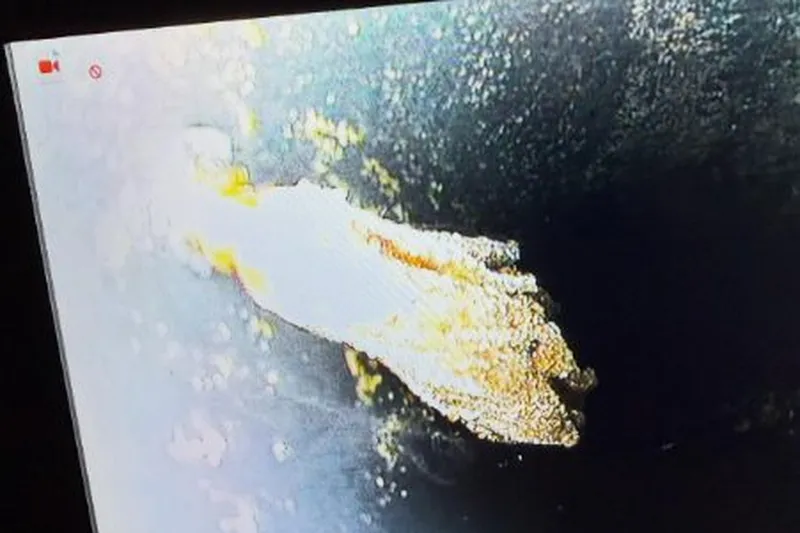
Clearing roots restores flow, and powered jetting with a root-cutting head does it thoroughly, shearing the roots back to the pipe wall. But clearing alone is not a permanent fix. As long as the crack or gap that let the roots in remains, they will grow back.
The lasting solution addresses the entry point. A permanent sewer repair, whether a spot repair or a trenchless relining, seals the pipe so roots cannot return. A camera inspection first shows exactly where the intrusion is and how bad it is, so the repair targets the right spot. For homes with chronic root problems, that is the difference between a yearly headache and a permanent fix.
Frequently asked questions
How do tree roots get into a sewer line?
Through small cracks and loose joints in the pipe. Roots are drawn to the water and nutrients inside the line, and even a hairline gap lets them in. Once inside, they grow into a mass that catches waste and blocks flow. Older clay pipe with shifting joints is especially vulnerable.
Will removing the tree stop the problem?
Not necessarily, and it is rarely needed. The roots already in the pipe remain, and other trees' roots can find the same gap. The lasting fix is sealing the pipe where the roots entered, through a spot repair or relining, so roots cannot get back in regardless of the trees above.
How often do roots come back after clearing?
It varies, but a cleared line with an unsealed crack often backs up again within months to a year, as the roots regrow. That predictable cycle is the giveaway. Clearing buys time, but sealing the entry point with a repair is what actually stops the recurring backups.
Can you tell if roots are the problem without digging?
Yes. A camera inspection runs through the line and shows root intrusion directly, along with its exact location and severity. That lets us confirm roots are the cause and plan a targeted repair, rather than guessing or digging up the yard to find out.
Related plumbing services
The services that clear roots and seal them out:
Sewer backing up every few months?
Roots may be the cause. Let us camera the line and fix it for good. Talk to a local plumber today.
Call (928) 498-0363