
Pool & Spa Leak Detection in Prescott Valley, AZ
Pools are less common up here than in Phoenix, but plenty of Prescott Valley homes have a pool, spa, or hot tub. When one keeps losing water, we find the leak and fix it, instead of watching the bill climb.
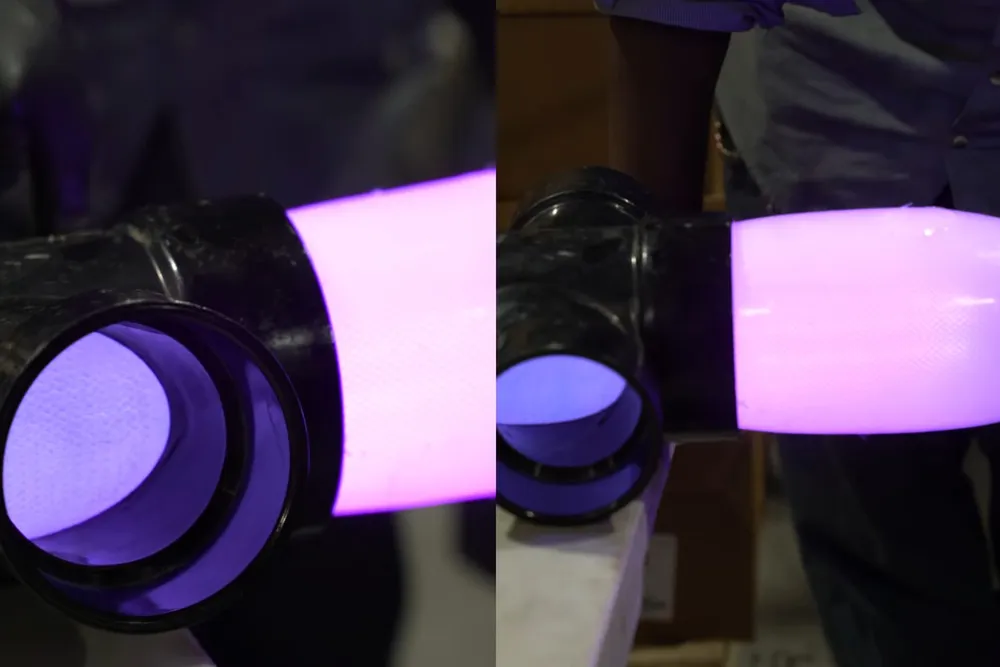
Pool leak detection finds where a pool, spa, or hot tub is losing water, whether it is the shell, a fitting, or the plumbing on the equipment pad. At Prescott Valley's elevation, pool prevalence is lower than the desert below, somewhere around one in seven to ten homes. So the more common call here is a hot tub or spa leak rather than a large in-ground pool. Either way, a steady drop in water level usually means a leak, not just evaporation, and it is worth finding before it undermines the deck or runs up your water use.
What pool and spa leaks look like here
A little evaporation is normal, especially on a dry, breezy day. A real leak loses water faster and keeps going. The usual culprits are worth knowing.
- Equipment-line leaks. Pump, filter, and valve connections on the pad loosen and seep.
- Fitting and skimmer leaks. Returns, skimmers, and lights are common entry points.
- Shell or liner leaks. Cracks in plaster or a tear in a spa shell let water out slowly.
Because in-ground pools are less common at altitude, hot tub leak detection and spa leak work make up a bigger share of these calls. A hot tub that needs topping off every few days almost certainly has a leak somewhere.
Season matters too. Many owners cover or idle an in-ground pool through the cold months, so a slow leak can hide until spring startup, when the water level is suddenly low. A spa or hot tub, on the other hand, runs all winter, so its leaks tend to announce themselves quickly. Either way, the longer water escapes near the deck or pad, the more it can move the soil underneath.
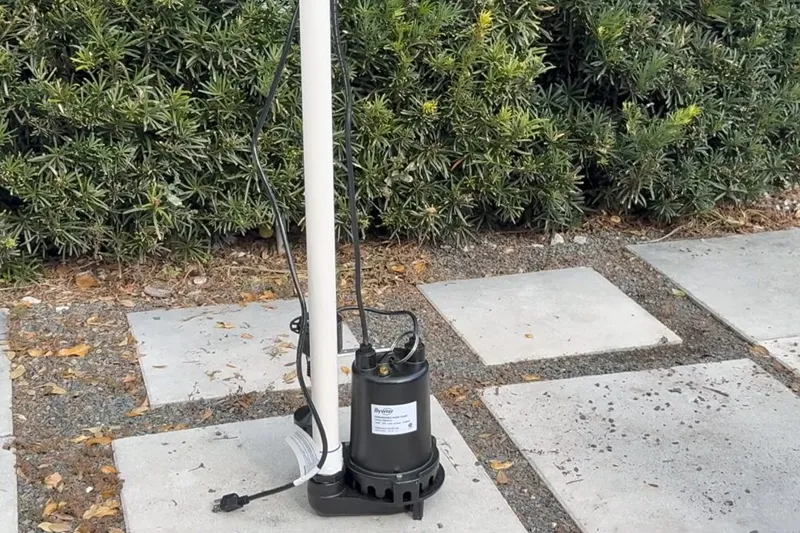
How we find a pool or spa leak
Finding the leak first means we repair the right thing, not guess.
Bucket and water-loss check
A simple bucket test separates evaporation from a true leak by comparing water loss inside and outside the pool. It is the quickest way to confirm there is a real problem.
Dye testing at suspect points
Near fittings, skimmers, and lights, a small amount of dye gets pulled toward a leak, showing the exact spot. This pinpoints shell and fitting leaks without guesswork.
Equipment and pressure check
The pad gets inspected under pressure to find seeping connections, and the underground lines can be tested to confirm whether the leak is plumbing rather than the shell.
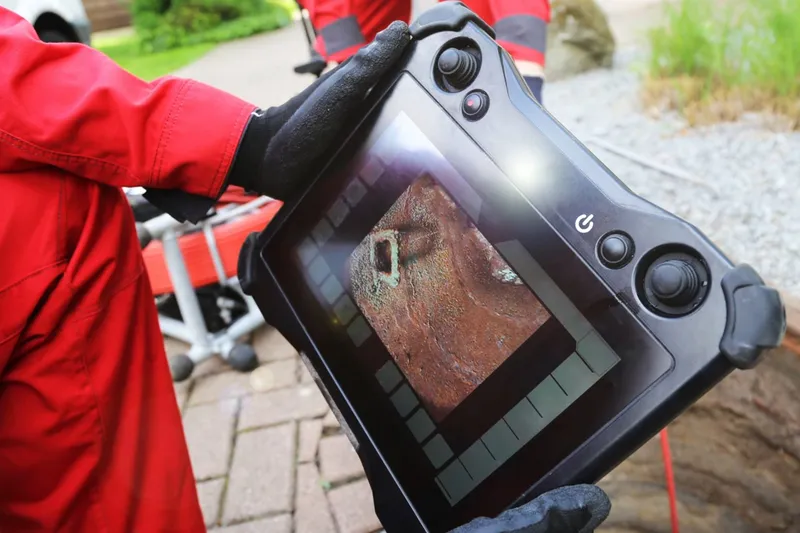
How we repair the leak
The fix depends on where the water is escaping.
Equipment and fitting repair
Loose or cracked connections on the pad, and worn fittings at returns and skimmers, get resealed or replaced. This is the most common and least invasive repair.
Shell and line repair
A cracked spa shell or a leaking buried line takes more work, from patching to replacing a section of plumbing. We explain the scope before starting so there are no surprises.
Cost of pool & spa leaks in Prescott Valley and the Tri-Cities
Detection is usually a flat visit, and repair depends on what we find. A simple fitting fix is the low end. A buried line or shell repair costs more. You get the price after the leak is located.
Typical price ranges (2026)
| Job | Typical 2026 range |
|---|---|
| Pool or spa leak detection | $200 to $600 |
| Equipment or fitting repair | $150 to $700 |
| Line or shell repair | $500 to $2,500 |
Major structural repairs fall outside this range and are quoted separately after a full inspection of the shell and plumbing.
Related leak work we handle
The same detection skills apply beyond the pool. We handle hidden household leak detection, slab leaks, and the backflow assembly that protects your drinking water from pool and irrigation cross-connections. If your water bill jumped and the pool is not the culprit, we can chase down the real source inside the house.
Spas and hot tubs bring their own short list of repairs: union fittings that loosen with heat cycles, jet seals that weep, and heater connections that corrode. Because these units run hot and cycle often, small leaks show up faster than on a cool in-ground pool. We check the whole equipment pack, not just the obvious drip.
Frequently asked questions
Is my pool leaking or just evaporating?
A bucket test tells the difference. Float a bucket of pool water on a step and mark both levels. After a few days, if the pool dropped more than the bucket, you have a leak. We can run this with you or do it on a visit.
Are pools common in Prescott Valley?
Less so than in Phoenix. At this elevation and with cold winters, only around one in seven to ten homes has a pool. Hot tubs and spas are more common, so a good share of our leak calls are spa and hot tub leaks.
My hot tub keeps losing water. What now?
If you are topping it off every few days, it is leaking, not evaporating. The usual spots are fittings, the pump and union connections, or a crack in the shell. We dye-test and pressure-check to find it, then repair.
Can you find a leak in the underground plumbing?
Yes. We pressure-test the lines separately from the shell to confirm whether the leak is in the buried plumbing or the pool itself. That tells us exactly what to repair and avoids digging in the wrong place.
Does a leak hurt anything besides my water bill?
It can. Water escaping near the deck or equipment pad undermines soil and concrete over time, and on our decomposed-granite ground that movement adds up. Finding a leak early protects the structure, not just the bill.
How much water loss is normal from evaporation?
At this elevation, with dry air and breeze, a pool or spa can lose a small amount to evaporation each day, more on hot or windy days. Losing a quarter inch or more daily, or needing frequent top-offs, points to a leak rather than evaporation.
Can you check the spa and pool plumbing in winter?
Yes. Many owners drain or idle a pool in the cold months but keep a hot tub running. We can pressure-test lines and check the equipment pad year round, and winter is a good time to catch a small leak before the next season.
How can I tell if my pool is actually leaking or just evaporating?
In our dry climate, evaporation is real, so the bucket test helps: float a bucket of pool water on a step and compare the drop inside and outside it over a day. If the pool drops noticeably faster than the bucket, you likely have a leak, and it is worth having the lines and shell checked.
Where do pool leaks usually happen?
Most often at the plumbing: the suction and return lines, the skimmer, and the fittings, rather than the shell itself. Decomposed-granite soil movement stresses buried pool lines over time. We pressure-test the lines and inspect the equipment pad to locate the leak before recommending a repair.
Keep exploring Prescott Valley plumbing
Related services
Service areas
From the blog
Pool or spa losing water?
Find the leak before it undermines the deck or the bill. Call for pool and spa leak detection.
Call (928) 498-0363