
Toilet Repair & Installation in Prescott Valley, AZ
A running toilet wastes water every minute, and a leaking one can rot the floor beneath it. We fix the common failures fast and install new low-flow and comfort-height toilets, including accessible options for aging in place.
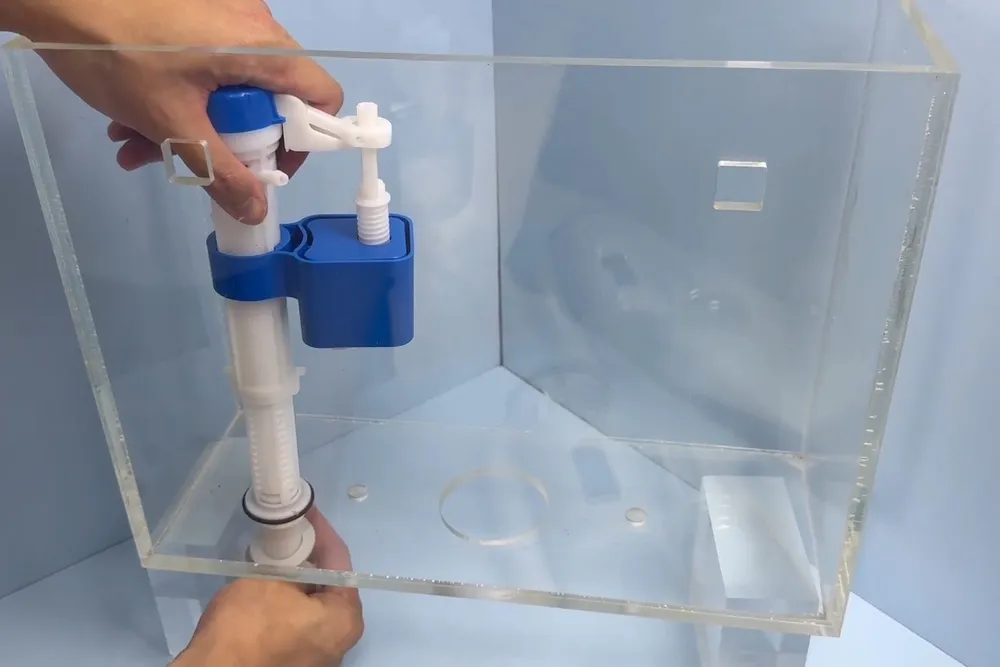
Toilet repair fixes the parts that fail inside and under a toilet, and installation sets a new one. Most problems are familiar: a running toilet from a worn flapper valve or fill valve, a leaky toilet at the base from a failed wax ring, or a weak flush. In Prescott Valley, two extras come up often. Low-flow and high-efficiency toilets fit the Arizona push to save water, and accessibility-friendly, comfort-height toilets matter in the active adult communities where aging in place is the goal.
Common toilet problems we fix
Most toilet trouble traces to a few inexpensive parts, which is good news for repair cost.
- Running toilet. A worn flapper valve or fill valve lets water trickle, wasting gallons a day.
- Base leak. A failed wax ring lets water seep out with each flush, risking the subfloor.
- Weak or partial flush. Mineral buildup, a bad flapper, or a clog can all sap flush power.
A running toilet is the sneaky one. It can waste a surprising amount of water, which shows up on a Town of Prescott Valley bill before you ever notice the sound. A base leak is the costly one, since water under the toilet damages the subfloor and invites mold. Both are quick, affordable fixes once caught.
How we diagnose a toilet
A few checks tell us whether it is a part, a seal, or the toilet itself.
Check the tank parts
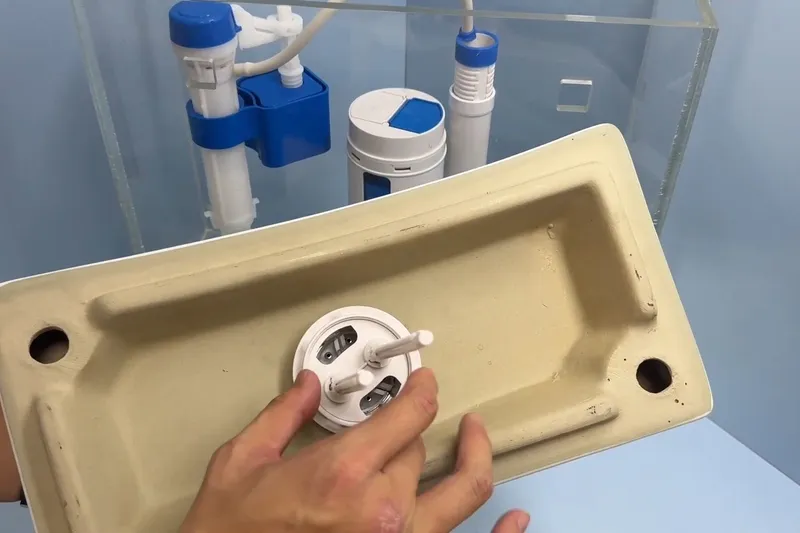
We inspect the flapper, fill valve, and float. A worn flapper or a misadjusted fill valve causes most running-toilet complaints and is a fast fix.
Find the leak source
Water at the base could be the wax ring, the supply line, the tank-to-bowl bolts, or a cracked bowl. We pin down which, since a wax ring is minor and a cracked bowl means replacement.
Test the flush and drain
A weak flush can be buildup, a flapper closing too soon, or a partial clog in the line. We test the flush and clear the trap or line if a blockage is dragging it down.
Repairs and new installs
Whether we are fixing a part or setting a new toilet, the work is quick and clean.
Repair the common failures
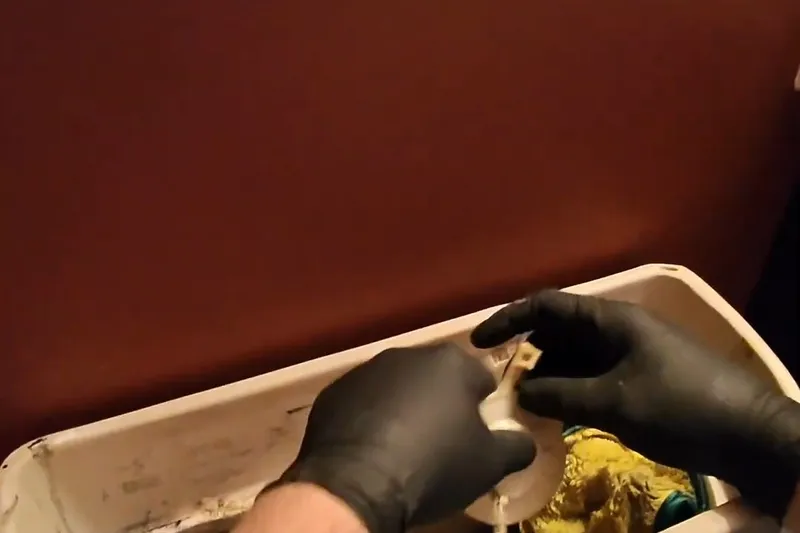
Replacing a flapper, fill valve, or supply line stops a running toilet. Resetting the toilet on a fresh wax ring stops a base leak. These repairs take little time and prevent bigger water damage.
Install a new toilet
For a cracked bowl, a tired old unit, or an upgrade, we install a new toilet on a fresh seal and test it. Low-flow and high-efficiency models cut water use, and comfort-height units add accessibility for those who want it.
Cost of toilet repair in Prescott Valley and the Tri-Cities
Repairs are inexpensive, and a new install depends on the toilet you choose. A part swap is the low end. A comfort-height or high-efficiency install costs more, especially if we supply the unit. You hear the full price before any work begins.
Typical price ranges (2026)
| Job | Typical 2026 range |
|---|---|
| Repair running toilet (flapper, fill valve) | $100 to $250 |
| Wax ring and reset (base leak) | $150 to $350 |
| Standard toilet installation | $200 to $500 |
| Comfort-height or high-efficiency install | $350 to $700 |
Toilet price varies if you supply the unit or have us provide it. We confirm the total before installing.
Low-flow, comfort-height, and accessibility
Two upgrades come up a lot in the Tri-Cities. Low-flow and high-efficiency toilets save water, which matters in a drought-aware state and shows up on your Town water bill. A modern high-efficiency toilet flushes well on far less water than an older unit, so you are not trading performance for savings.
The other is accessibility. In active adult communities like Quailwood Greens, comfort-height toilets, sometimes called chair-height, make sitting and standing easier, and they pair well with grab bars during a bathroom update. If you are planning to age in place, this is a small change that makes a daily difference. We can recommend models that balance height, efficiency, and a strong flush. The right toilet should save water, seat comfortably, and clear the bowl in a single flush, and the better current models manage all three without a trade-off.
From a running toilet to a clean new install
The running toilet that quietly runs up your bill
A toilet that keeps cycling or never quite stops is almost always one of three inexpensive parts: a flapper that has hardened and no longer seals, a fill valve that will not shut off, or a float set too high so water spills into the overflow tube. A toilet that runs can waste a surprising volume of water a day, enough to show up on a bill, and in our hard water the rubber flapper and the valve seat scale up and fail sooner than they would on soft water. We replace the worn parts and check the whole tank so it seals, refills to the right level, and stops cycling.
Weak or partial flushes
When a flush is sluggish or has to be repeated, the cause is usually mineral buildup closing off the small rinse holes under the rim and the siphon jet at the bottom of the bowl, which is a common hard-water problem here. Sometimes it is a clog further down, or a flapper closing too soon to send the full tank through. We clear the scaled passages or correct the flush valve so the bowl gets the full volume and clears in one pass, rather than living with a toilet that needs two flushes.
Water around the base is not a mopping problem
Water appearing at the base of a toilet usually means the wax seal under it has failed or the toilet is rocking on a loose flange, and that water has been reaching the subfloor. Left alone it rots the floor and can reach the framing. The fix is to pull the toilet, replace the wax ring, repair the flange if it is cracked or sitting low, and reset the toilet level and secure so it cannot rock. Caulking around the base without addressing the seal only hides the leak while the damage continues underneath.
Choosing a replacement that fits the household
Comfort-height or chair-height toilets sit a couple of inches taller than a standard bowl and are easier to sit down on and rise from, which is why they are a frequent request across our many active-adult communities at StoneRidge and beyond. Modern high-efficiency models use well under half the water of an older toilet per flush while clearing the bowl reliably, so they cut water use without the weak-flush reputation older low-flow units earned. A standard swap takes about an hour or two: we remove the old unit, set the new one on a fresh seal, connect the supply, and test the flush and every connection before we go.
Toilets in older homes and upstairs baths
When the flange sits too low or has failed
In older Prescott-area homes, and any time flooring has been added over the years, the closet flange that the toilet bolts to can end up sitting below the finished floor. That makes a reliable wax seal hard to achieve and is a common reason a reset toilet still leaks or rocks. The fix is to build the flange up to the correct height with the right spacer or repair ring before setting the toilet, rather than stacking wax rings and hoping. Getting the flange right is the unglamorous step that determines whether the install stays watertight for years.
Old supply lines and shutoff stops
A toilet is only as trouble-free as the valve feeding it, and in older homes the angle stop under the toilet may be a corroded multi-turn valve that no longer seals or, worse, will not close when you need it. When we install or repair a toilet we check that stop, and we often recommend replacing an old supply line and a failing stop at the same time, because a braided stainless supply line and a quarter-turn stop are inexpensive insurance against the next leak. It is far easier to replace them during a planned visit than during the emergency they would otherwise become.
Weak fill and flush on well or low pressure
Homes on a private well in the surrounding Tri-Cities, or any home at the low end of normal pressure, can see a toilet that fills slowly or flushes weakly simply because the supply pressure is modest. The right fill valve and a properly adjusted flush help, and we make sure the model suits the pressure it is working with. Matching the fixture to the home's actual water pressure avoids the frustration of a toilet that technically works but never feels strong.
Because a toilet touches the floor, the framing, and the supply line all at once, a small problem there is rarely just cosmetic, and the cost of ignoring a rocking base or a weeping supply climbs quickly into subfloor and finish repairs. Catching it as a toilet issue keeps it a toilet-sized bill. Whether you need a single flapper, a full reset on a proper flange, or a comfort-height upgrade for an aging-in-place bath, we handle it in one visit and confirm every connection is dry before we leave.
Frequently asked questions
Why does my toilet keep running?
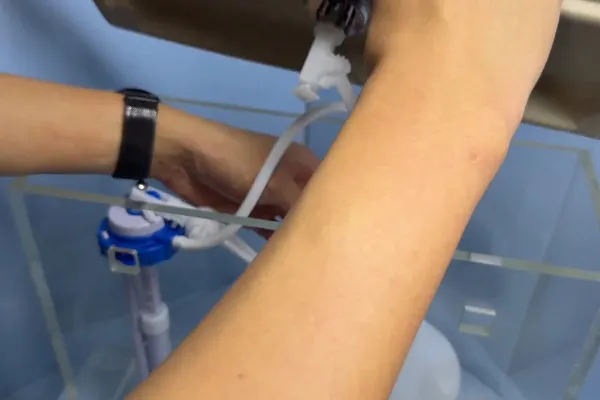
Almost always a worn flapper or a fill valve that is not shutting off. Water trickles from the tank into the bowl, so the fill valve keeps topping it up. Both parts are inexpensive and quick to replace, and the fix stops real water waste.
There is water around the base of my toilet. Is that serious?
It can be. A failed wax ring lets water seep out with each flush, and over time that damages the subfloor and can cause mold. Resetting the toilet on a fresh wax ring is a minor, affordable repair if you catch it early.
Is a running toilet really wasting much water?
Yes. A steady run can waste a lot of water over a day, which shows up on your Town of Prescott Valley bill before you notice the sound. Fixing it is cheap, and it usually pays for itself quickly on the next bill or two.
Should I get a low-flow or high-efficiency toilet?
If your toilet is old and uses a lot of water per flush, an upgrade saves water without sacrificing performance. Modern high-efficiency models flush strongly on far less water, which suits a drought-aware state and trims your water bill.
What is a comfort-height toilet?
Comfort-height, or chair-height, toilets sit a bit taller than standard, which makes sitting and standing easier. They are popular for aging in place and in active adult communities, and they pair well with grab bars during a bathroom update.
Can you install a toilet I bought myself?
Yes. We can install a unit you supply or provide one for you. Either way, we set it on a fresh wax ring, connect and test it, and make sure it flushes and seals properly before we leave.
Why does my toilet flush weakly?
A weak flush usually comes from a flapper that closes too soon, mineral buildup in the rim jets, or a partial clog in the line. We test the flush and clear or adjust the cause. If the bowl itself is old and inefficient, an upgrade restores a strong flush.
Can you fix a toilet that rocks or feels loose?
Yes. A rocking toilet usually means loose closet bolts, a failed wax seal, or a damaged flange under it. Left alone, it can leak at the base and damage the floor. We reseat the toilet on a fresh seal, secure it, and check the flange so it sits solid and watertight.
How long does it take to install a new toilet?
A straightforward swap is typically about an hour or two: we remove the old unit, set the new one on a fresh wax ring, connect the supply, and test the seal and flush. A job that needs flange repair or a new supply line takes a little longer, and we tell you before starting.
Keep exploring Prescott Valley plumbing
Related services
Service areas
From the blog
Toilet running or leaking?
Stop the waste and the water damage. Call a local plumber for a fast repair or a clean new install.
Call (928) 498-0363