
Water Heater Installation & Replacement in Prescott Valley, AZ
When a water heater is past saving, the replacement should be sized right, vented to code, and built for cold-climate demand. We install gas and electric tanks, set up the safety parts, and walk through tankless if it fits.
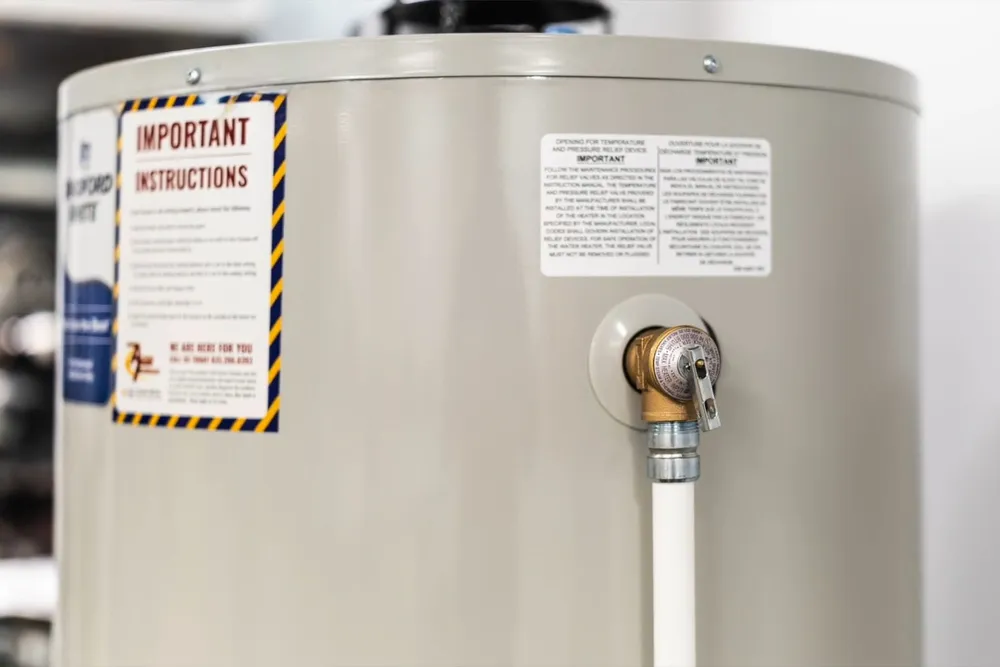
Water heater installation sets up a new unit and ties it into your water, gas or power, and venting. Replacement swaps out a failed heater for one sized to your home. In Prescott Valley, a good install is about more than the tank. Sizing for the household, a code-compliant vent, an expansion tank, and a drain pan all matter, and so does choosing between a standard tank and a tankless unit. We handle the whole job and pull permits where the work requires them.
Choosing the right replacement
The best heater for your home depends on a few questions, and we walk through them before recommending anything.
- Fuel: gas water heater install or electric, matched to what your home already runs.
- Size: a 40, 50, or larger tank sized for the people and fixtures in the house.
- Type: a tank-style install for simplicity, or a tankless conversion alternative for endless hot water and a smaller footprint.
Sizing for AZ households is the part people skip. Too small, and you run out mid-shower. Too big, and you pay to heat water you never use. New homes in master-planned communities often get larger or twin setups, while a couple in a smaller home may do fine on a 40-gallon unit. We size it to your real use.
How we plan the install
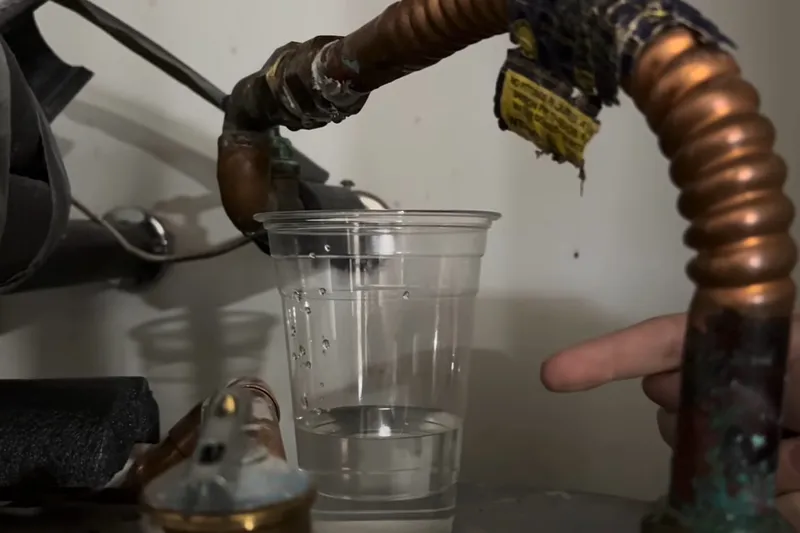
A clean install starts with a short assessment of the space and the code requirements.
Confirm fuel, size, and location
We check the existing setup, your household's hot-water demand, and where the heater sits. That sets the fuel type, the tank size, and whether the spot meets clearance and venting rules.
Check venting and safety parts
Gas units need code-compliant venting, and most installs need an expansion tank and a drain pan. We confirm what your home requires so the new unit is safe and passes inspection.
Plan permits and removal
Where the work calls for it, we handle the Town of Prescott Valley permit and the haul-away of the old tank. You get a clear scope and price before we start.
How the installation goes
A standard replacement is usually a single-day job.
Tank-style install
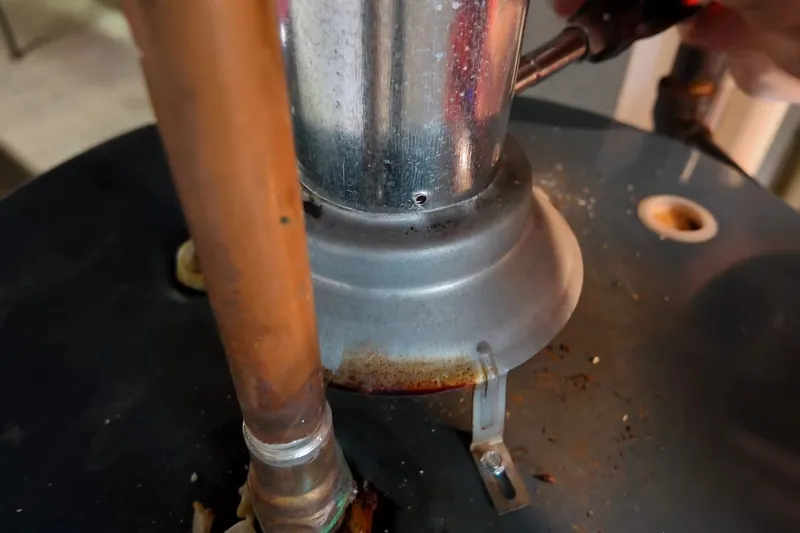
We drain and remove the old heater, set the new tank, connect water, gas or power, and venting, then add the expansion tank and drain pan. After filling, we test for leaks and confirm the unit heats properly.
Code-compliant finish
The final step is making sure venting, the T&P discharge, and seismic or strapping requirements all meet code. Doing it right the first time avoids a failed inspection and a callback.
Cost of water heater install in Prescott Valley and the Tri-Cities
Replacement cost depends on the fuel, the size, and any code upgrades the old setup lacked. A standard electric swap is the low end. A larger gas unit or a tankless conversion costs more. The quote comes before the work.
Typical price ranges (2026)
| Job | Typical 2026 range |
|---|---|
| 40-gallon electric replacement | $1,200 to $1,600 |
| 50-gallon electric replacement | $1,500 to $2,000 |
| Gas water heater install | $1,500 to $2,200 |
| Tankless conversion | $3,000 to $5,500 |
Adding an expansion tank, a drain pan, or new venting can change the total. We itemize it before installing.
Tankless, recirculation, and master-planned installs
If endless hot water and a smaller footprint appeal to you, a tankless conversion alternative is worth a look, especially during a replacement when the plumbing is already open. We cover the trade-offs honestly, including the gas line upgrade some tankless units need. A recirculation pump is another add-on that brings hot water to a far bathroom faster, handy in larger homes.
For new builds and remodels in Stoneridge, Granville, and Pronghorn Ranch, we coordinate master-planned community installs to match the home's demand and the builder's spec. Whether it is one large tank, a pair of units, or a tankless setup, the goal is hot water that keeps up without wasting energy.
One detail specific to this area is the incoming water temperature. Groundwater here arrives colder in winter than it does in the desert valley, which means a heater has to work a little harder to reach the same shower temperature. We factor that into sizing, so the unit we install keeps up on the coldest mornings, not just the mild ones. A drain pan and a properly routed relief line round out an install that protects the space around the heater too.
Sizing and choosing a heater for a 5,100-foot town
Why our cold groundwater changes the math
A water heater is rated on how much it raises incoming water temperature, and incoming water here is colder than the national average because of our elevation and winter ground temperatures. In the coldest months the water entering your house can sit in the low 50s or colder, so the heater works harder to reach a usable 120 degrees. That matters most for tankless units, which heat on demand and are limited by flow rate rather than tank volume: a unit sized for a mild climate can fall short here when the incoming water is cold and two showers run at once. We size to the colder local reality, not a generic default.
Matching tank size to how your household actually uses hot water
A 40-gallon tank suits a couple or a small household, a 50-gallon tank fits a busy family with back-to-back showers and laundry, and a 75-gallon or a properly sized tankless unit serves a large home or one with a soaking tub. Oversizing wastes energy keeping water hot you do not use, and undersizing leaves you cold mid-shower, so the right size is the one that matches your real demand. We walk through your fixture count and morning routine rather than guessing from square footage alone.
Tank, tankless, and the hard-water trade-off
A standard tank is the simplest value and the lowest install cost, and in our hard water it benefits from a yearly flush. A tankless unit delivers continuous hot water and saves space, but it scales up faster on our mineral content and needs an annual descaling to stay efficient, so it rewards an owner who will keep up the maintenance. Switching from electric to gas, or adding a tankless, can involve new gas, venting, or electrical work and code updates, which is why those jobs take longer than a like-for-like tank swap. We lay out the real cost and timeline of each path before you decide.
What a proper replacement includes
A straightforward tank-for-tank swap is usually a few hours: we drain and disconnect the old unit, set and level the new one, connect water, gas or power, and the relief line, fit a new relief valve and drain pan where needed, fill and purge the air, and confirm there are no leaks before we leave. We bring the install up to current code, including seismic strapping and proper venting on gas units, and we haul the old heater away. A switch to tankless or a relocation adds time for the venting, gas sizing, or electrical that the new configuration requires.
Code, permits, and what changed since your last heater
Why a new install is not just the old one in reverse
Water-heater codes have tightened over the years, so a replacement often has to add things the old unit never had. Many installations now require an expansion tank, a small tank that absorbs the pressure surge created when water heats and expands in a closed system, which protects your pipes, valves, and the heater itself from pressure cycling. Gas units need correct venting and combustion air, and the relief-valve discharge line must terminate properly. A code-compliant install accounts for all of this, which is part of why a proper replacement is more than a swap and why it should be permitted and done by a licensed plumber.
Seismic strapping, pans, and placement
A tank should be strapped so it cannot tip, and a heater in a location where a leak would cause damage, an interior closet or an upstairs space, needs a drain pan plumbed to a safe discharge point. Placement also affects efficiency: long runs from the heater to distant fixtures waste water and energy waiting for hot water to arrive, and in a large home a recirculation setup can solve that. We look at where the unit sits and whether the configuration still serves the house well, not just whether a new tank fits the old spot.
Disposal, warranty, and doing it once
We haul the old heater away and dispose of it properly, register the new unit's warranty, and confirm everything, water, gas or power, venting, relief line, and expansion tank, is correct before we leave. Doing the install to code the first time is what keeps the warranty valid and the unit safe, and it is the difference between a heater that quietly does its job for its full life and one that becomes a callback.
A note on timing: water heaters tend to fail at the worst moment, often a cold morning when demand is highest and the tank is oldest, so if yours is past ten years and showing rust at the fittings or struggling to recover, planning the replacement on your schedule beats reacting to a flooded garage. We can assess the current unit, recommend the right size and type for your household and our cold incoming water, and give you the full installed price up front, so the decision is made with numbers rather than under pressure.
Frequently asked questions
What size water heater do I need?
It depends on how many people use hot water and when. A couple may do fine with a 40-gallon tank, while a family that showers at the same time needs 50 gallons or more. We size it to your real demand rather than guessing high.
How much does a new water heater cost here?
A standard 50-gallon electric replacement commonly runs about $1,500 to $2,000, and a gas install $1,500 to $2,200. A tankless conversion costs more up front. Venting upgrades or code work can add to it, and we quote the full job before starting.
Should I switch to tankless?
Tankless gives endless hot water and saves space, but it costs more up front and may need a gas line upgrade. If your current spot and gas line suit it, it can be a great fit. We lay out the real costs so you can decide.
Is a permit required to replace a water heater?
Where the work requires one, yes. We handle the Town of Prescott Valley permit and make sure the install meets code on venting, the relief valve, and clearances, so it passes inspection without a callback.
How soon can you install a new water heater?
A standard tank swap is usually a single-day job, often a few hours. A tankless conversion or one that needs venting or gas changes takes longer. We give you a realistic timeline with the quote.
Can you take away my old heater?
Yes. We drain, disconnect, and haul away the old unit as part of the install, and leave the space clean. You do not have to deal with disposing of the old tank yourself.
Where can a water heater be installed?
It depends on clearances, venting, and code. Garages, utility closets, and dedicated alcoves are common here. A gas unit needs proper combustion air and venting, and any spot needs room to service the heater. We confirm the location works before installing.
Can I switch from an electric to a gas water heater?
Often, yes, but it depends on whether gas is already run to the location and on venting. A switch can pay off in lower running costs, though the install is more involved than a like-for-like swap. We look at your setup and lay out what the change would take and cost before you decide.
What type of water heater do you recommend for our area?
It depends on your household and budget, but our cold winter groundwater and hard water shape the advice. A right-sized tank is the simplest value; tankless suits homes wanting endless hot water and willing to maintain it. We give an honest recommendation rather than pushing the priciest option.
Keep exploring Prescott Valley plumbing
Related services
Service areas
From the blog
Time for a new water heater?
Get a right-sized, code-compliant install from a local plumber. Call for an upfront quote.
Call (928) 498-0363