Tank vs. Tankless at 5,100 Feet: Which Fits Your Home?
When it is time for a new water heater, the big question is tank or tankless. Both have real strengths. The right answer depends on your home, your hot-water habits, and a couple of factors specific to living at 5,100 feet.
A water heater is a long-term purchase, so it is worth choosing well. The two main options work very differently, and each fits a different kind of home. Here is an honest comparison, with the local factors that matter when you are buying one in Prescott Valley.
How each one works
A tank water heater stores and heats a reservoir of water, typically 40 to 50 gallons, keeping it hot and ready. When you draw hot water, you use the tank, and the heater refills and reheats. Run the tank dry, and you wait for it to recover.
A tankless heater stores nothing. It heats water on demand as it flows through the unit, so hot water keeps coming as long as you need it. There is no tank to run dry and no standby reservoir sitting hot between uses.
The case for a tank
Tank heaters are the proven, affordable choice. They cost less to buy and install, the technology is simple and well understood, and any plumber can service them. For many homes, a right-sized tank is exactly the right call.
The trade-offs are space, standby energy use, and the risk of running out of hot water if demand spikes. But for a household whose hot-water use fits the tank, none of those is a dealbreaker. A tank is the practical default for good reason.
The case for tankless
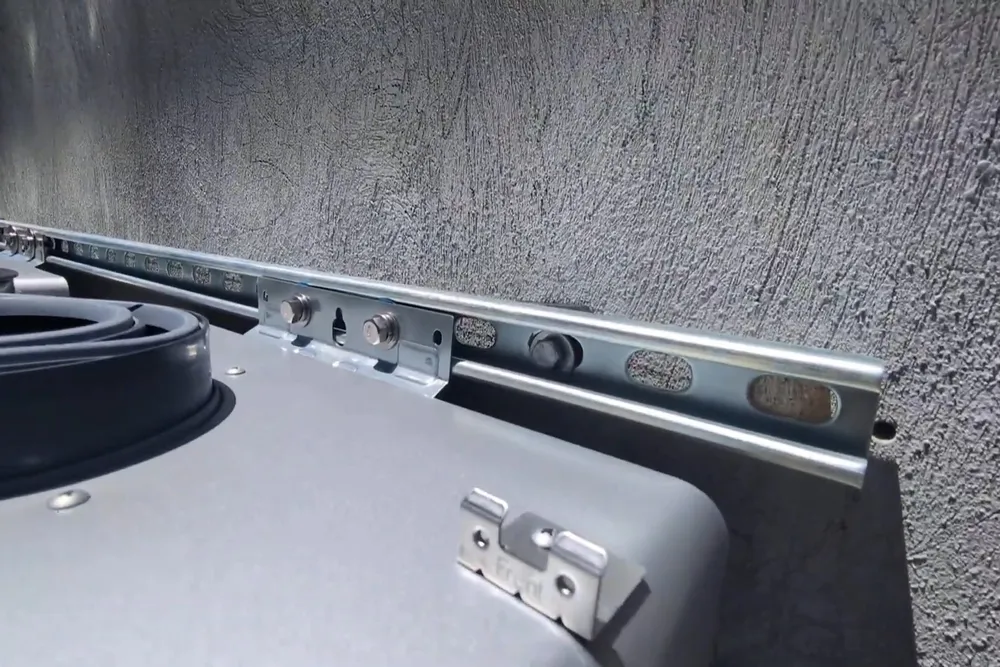
Tankless heaters offer endless hot water and a small footprint. You never run out mid-shower, the wall-mounted unit frees up floor space, and there is no standby loss from keeping a reservoir hot. A quality tankless unit can also outlast two tanks with proper care.
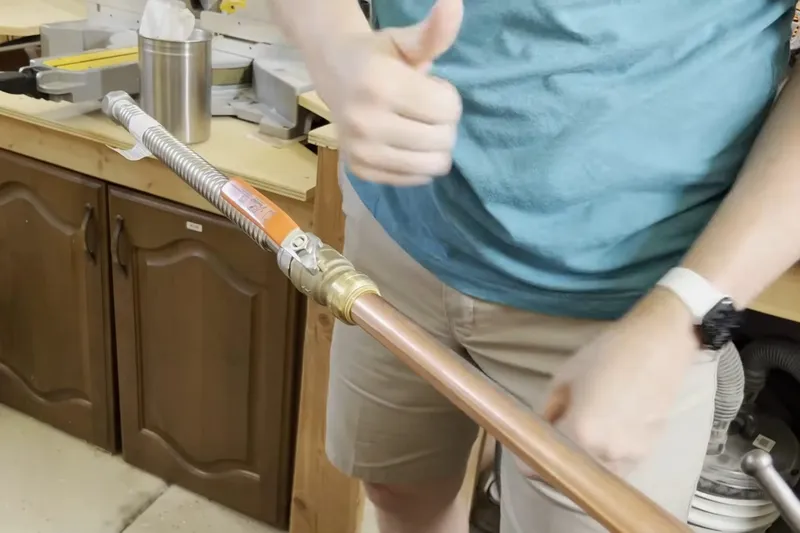
The trade-offs are a higher up-front cost and, often, the need for a gas line upgrade to feed the higher burner demand. For a home that values endless hot water and plans to stay long enough to earn back the cost, tankless can be a great fit.
What 5,100 feet changes
Living at elevation adds a few wrinkles. Our groundwater arrives colder in winter than it does in the desert valley, so a heater has to work harder to reach the same shower temperature. That makes right-sizing more important, whichever type you choose.
For tankless specifically, combustion air and venting need to suit the altitude, and a unit mounted in a garage needs protection from freezing, just like any exposed plumbing. None of this rules tankless out, but it is why a proper, local installation matters more here than in a milder, lower place.
Hard water, and which fits your home
Our moderately hard water affects both types. A tank collects sediment and needs a yearly flush. A tankless unit scales up and needs a yearly descaling. Either way, plan on a maintenance habit.
| Factor | Tank | Tankless |
|---|---|---|
| Up-front cost | Lower | Higher |
| Hot water supply | Limited to tank size | Continuous, limited by flow rate |
| Space used | Larger floor footprint | Compact, wall-mounted |
| Typical lifespan here | 8 to 12 years | 15 to 20 years with upkeep |
| Cold incoming water at 5,100 ft | Less affected | Lowers the max flow rate |
| Hard-water maintenance | Yearly flush | Yearly descaling |
| Best suited to | Lowest cost, simplest service | Endless hot water, long-term homes |
So which fits? If you want the lowest up-front cost and simplest service, a right-sized tank is hard to beat. If you want endless hot water, value the space, and plan to stay in the home, tankless earns its higher price over time. We are happy to walk through your home and use, and give you an honest recommendation rather than steer you to the pricier option.
Frequently asked questions
Is tankless worth the extra cost in Prescott Valley?
It can be, if you want endless hot water and a smaller footprint and plan to stay in the home long enough to earn back the higher up-front cost. The trade-offs are that cost, a possible gas line upgrade, and yearly descaling. For the right household, it pays off over time.
Does our cold winter water affect my water heater choice?
It is worth factoring in. Groundwater arrives colder here in winter, so a heater works harder to reach the same temperature. That makes right-sizing more important for both types. A unit sized only for mild conditions may struggle on the coldest mornings, so we size for the cold.
Do tankless heaters work at our elevation?
Yes, with the right setup. At 5,100 feet, combustion air and venting need to suit the altitude, and a garage-mounted unit needs freeze protection. A properly sized and installed tankless unit handles Prescott Valley conditions well. The key is a local installer who accounts for the elevation.
Which lasts longer, a tank or tankless?
A tankless unit generally lasts longer, often outlasting two tanks, with proper descaling. A conventional tank lasts about 8 to 12 years in our hard water. Both depend on maintenance: a yearly flush for a tank, a yearly descaling for tankless. Neglect either and its life is shorter.
Related plumbing services
The services for whichever heater fits your home:
Choosing a new water heater?
We install tank and tankless, sized for our climate. Call a local plumber for an honest recommendation.
Call (928) 498-0363