
Gas Line Installation & Repair in Prescott Valley, AZ
Gas work is no place for guesswork. We repair leaks, run new lines for ranges, grills, heaters, and generators, and pressure-test every job. We handle natural gas in town and propane in the rural areas that rely on it.
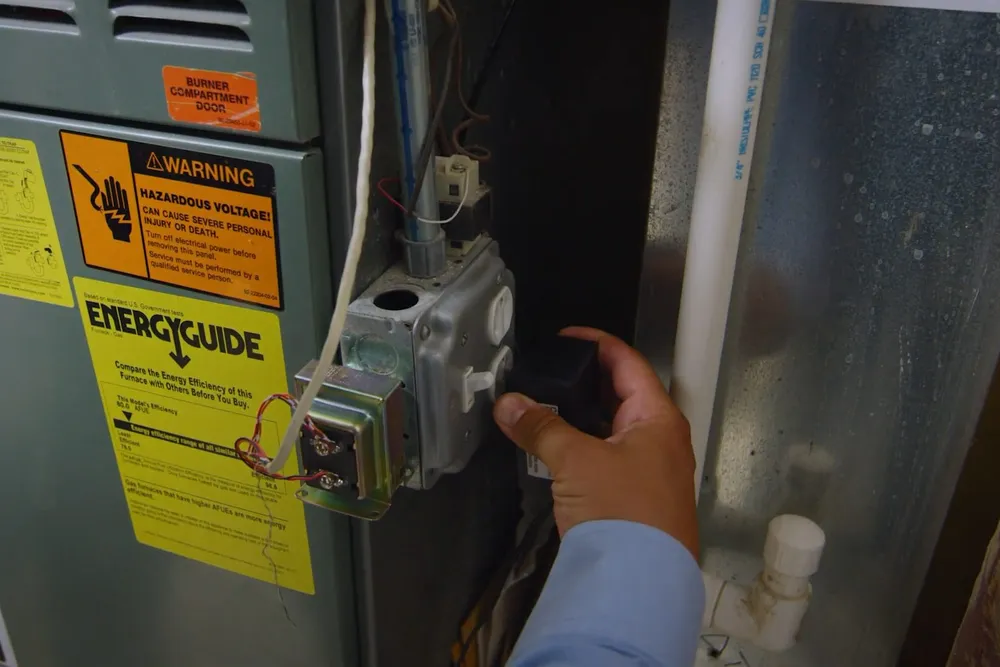
Gas line work covers repairing leaks, installing new lines, and connecting gas appliances safely. It includes pressure testing to prove the line holds, and a sediment trap at each appliance to catch debris. In Prescott Valley, homes in town typically run natural gas, while many rural Tri-Cities properties use propane from an on-site tank. Both demand the same care. A gas leak is a safety issue first, so it always comes ahead of convenience, and every line we touch is tested before it goes back into service.
What gas line service covers
Gas work ranges from a quick appliance hookup to a full new line, and safety runs through all of it.
- Leak repair. Finding and fixing a gas leak at a fitting, valve, or line, then proving the repair with a pressure test.
- New lines. Running gas to a range, grill, fire pit, pool heater, tankless water heater, or backup generator.
- Appliance hookups. Connecting appliances with the right shutoff, flex connector, and sediment trap.
The local wrinkle is fuel type. Natural gas serves much of the town, but propane is common in the rural pockets around Williamson Valley, Paulden, and the hillsides, where there is no gas main. The fittings, pressures, and regulators differ, and we work with both. If you smell gas, that is an emergency: leave the home and call your gas provider and emergency services first.
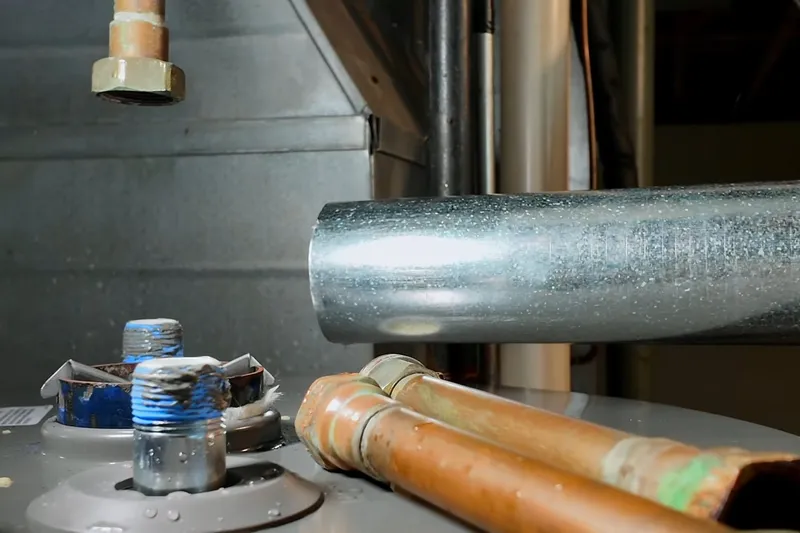
How we approach gas work
Every gas job starts and ends with safety checks.
Confirm and locate a leak
For a suspected leak, we test connections and the line to find the source, using a detector and a soap test rather than guesswork. Safety comes first, so we confirm the area is safe before any repair.
Plan a new line
For a new run, we size the line for the appliance's demand and the distance, check the supply, and plan the route. Undersized gas lines starve appliances, so sizing is not optional, especially for a tankless heater or a generator.
Pressure test
Before any line goes into service, we pressure-test it to prove it holds. This is the step that confirms the work is tight and safe, and it is never skipped.
Installation and repair work
The work is methodical, and it is always tested.
Repair the leak
We replace the failed fitting, valve, or section of line, then pressure-test to confirm the repair holds. A sediment trap and a proper shutoff are added or checked at the appliance while we are there.
Run and connect new lines
For a new appliance or addition, we run correctly sized pipe, add the shutoff and sediment trap, connect the appliance, and pressure-test the whole line. Natural gas or propane, the standard is the same: tight, sized right, and proven.
Cost of gas line service in Prescott Valley and the Tri-Cities
Cost depends on the length, access, and whether it is a repair, a new run, or a hookup. A simple appliance connection is the low end. A long new line costs more. You approve the price up front.
Typical price ranges (2026)
| Job | Typical 2026 range |
|---|---|
| Gas leak repair | $150 to $800 |
| Appliance hookup with sediment trap | $150 to $500 |
| New gas line run | $400 to $1,800 |
| Pressure test | $100 to $250 |
Long runs, hard access, and permits can change the total. We itemize the scope before any work.
Generators, tankless, and propane homes
A few gas projects come up often here. A standby generator needs a properly sized gas line to run the whole house during an outage, which matters when a winter storm knocks out power. A tankless water heater usually needs a gas line upgrade to feed its higher burner demand. And outdoor kitchens, fire pits, and pool heaters all need safe, tested connections. We size and run each one to code.
For propane homes in the rural Tri-Cities, the setup differs from natural gas in pressure and regulation, but the safety standard does not. We work with your on-site tank and regulator, run and connect lines correctly, and pressure-test the result. Whether you are on a gas main in town or a propane tank out in Williamson Valley, the line gets done right and proven before it carries fuel.
Working safely with gas
Recognizing and responding to a leak
Natural gas and propane carry an added odorant that smells like rotten eggs precisely so leaks are noticeable, and that smell is the clearest warning. You might also hear a faint hiss near a line, or see a patch of dead or dying vegetation over a buried one. If you smell gas, the right response is to leave the area, avoid light switches, flames, and anything that could spark, and call your gas utility from outside first. Once the immediate hazard is handled, we locate and repair the line, then pressure-test to confirm the system holds before it is put back in service.
Permits, code, and why this is licensed work
Gas work is permitted and inspected for good reason, and it should always be done by a licensed professional, never as a do-it-yourself project. Proper sizing of the line for the appliance load, correct materials and joints, and a pressure test to verify there are no leaks are all part of a code-compliant installation. We handle that whether you are running a new line for a range, a dryer, a fire pit, a pool heater, a generator, or a tankless water heater, so the result is safe and passes inspection.
Appliance hookups and additions
Adding or moving a gas appliance often means extending or modifying the existing line, and the key is making sure the system can still supply every appliance at full demand once the new load is added, which is a sizing calculation, not a guess. We assess the existing line, size the addition correctly, install it to code, and test the whole system, so the new appliance works and the existing ones are not starved. Done right, gas service is safe and reliable for decades.
Above all, gas is the one system where the margin for error is zero, which is why every line we install or repair is sized to the full appliance load, joined with the correct materials, and pressure-tested before it carries gas. There is no acceptable shortcut. Whether the job is a leak repair, a new run for a range or generator, or feeding a tankless heater, we handle the permit and the code so the result passes inspection and runs safely for decades, and we never leave a gas system in service without confirming it holds pressure.
Frequently asked questions
I smell gas. What should I do?
Treat it as an emergency. Leave the home, avoid light switches, flames, and anything that could spark, and call your gas provider and emergency services from outside. Once the area is confirmed safe, we can find and repair the leak. Safety always comes before the repair.
Do you work on propane as well as natural gas?
Yes. Much of Prescott Valley runs natural gas, but propane is common in rural areas like Williamson Valley and Paulden, where there is no gas main. The fittings and pressures differ, and we are equipped for both, working with your tank and regulator.
Why does a new gas line need to be the right size?
An undersized line cannot deliver enough fuel, so appliances run poorly or starve, especially high-demand ones like a tankless heater or a generator. We size the line to the appliance's demand and the distance, so everything runs at full capacity.
What is a pressure test, and why does it matter?
A pressure test pressurizes the line and confirms it holds without losing pressure, proving there are no leaks. It is the step that verifies a gas line is safe before it carries fuel. We never put a line into service without testing it.
Can you run a gas line for a generator?
Yes. A standby generator needs a correctly sized gas line to power the home during an outage, which is valuable when a winter storm cuts power. We size and run the line, connect it safely, and pressure-test it so it is ready when you need it.
Do I need a permit for gas work?
Many gas jobs require a permit and inspection, since safety is involved. Where that is the case, we handle the permit and make sure the work meets code. That protects your home and keeps the installation properly on record.
Why do you add a sediment trap at the appliance?
A sediment trap, sometimes called a drip leg, catches debris and moisture before they reach the appliance's valve, where they could cause problems. It is a small, code-recommended detail that protects the appliance and is standard on every hookup we do.
How do I know if I have a gas leak?
The added odor smells like rotten eggs. You may also hear a hissing near a line or see a dead patch of vegetation over a buried one. If you smell gas, leave the area, avoid switches and flames, and call your gas utility from outside first. Then we can locate and repair the line safely.
Do I need a permit for a new gas line?
Gas work is permitted and inspected for safety, and it should always be done by a licensed pro. We handle the proper installation to code, whether you are adding a line for a range, a fire pit, a pool heater, or a generator, and we pressure-test it to confirm it is tight before use.
Keep exploring Prescott Valley plumbing
Related services
Service areas
From the blog
Gas leak or a new line to run?
Smell gas? Leave and call your provider first. For repairs and new lines, call a local plumber.
Call (928) 498-0363